

Kia Sorento Engine Crankshaft Position Sensor: A Complete Guide for 2016-2024 Models
Experiencing stalling or starting problems with your Sorento? A faulty crankshaft position sensor is a likely cause.
- A failing crankshaft sensor is a common cause of stalling and no-start issues in the 2016-2024 Sorento.
- The most common diagnostic code is P0335. Always confirm the code before buying parts.
- For best results, choose an OEM-equivalent brand like Mando, which is the original supplier for Kia.
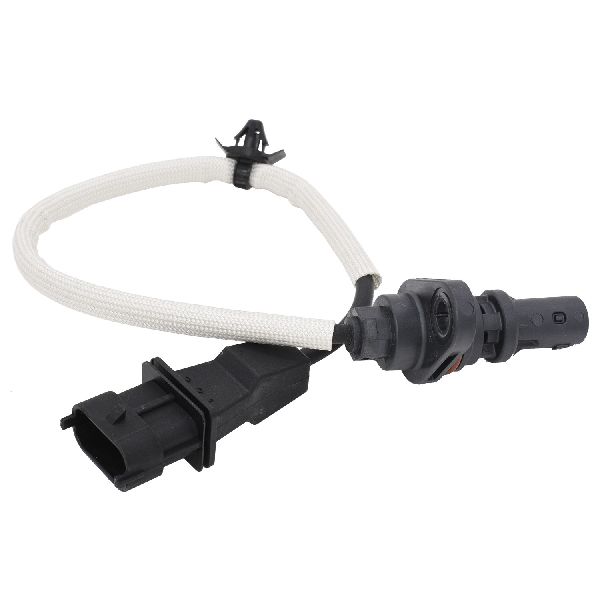
- The part is different for the 2.4L, 3.3L, and 2.5L engines, so ensure you order the correct one for your vehicle.
Is Your Sorento Stalling or Refusing to Start?

A failing crankshaft position sensor is a common problem that can leave you stranded. This sensor provides the engine's computer with vital information for timing and fuel delivery. When it starts to go bad, it can cause a range of symptoms from annoying to critical. Because it can cause the engine to stall without warning, it's a part that should be replaced as soon as it's diagnosed as faulty.
Symptoms of a Failing Crankshaft Position Sensor in a Kia Sorento

If your Sorento's crankshaft sensor is failing, you'll likely notice one or more of these signs:
- Check Engine Light: This is often the first sign. The most common trouble code associated with this part is P0335 (Crankshaft Position Sensor "A" Circuit Malfunction).
- Engine Stalling: The engine may shut off unexpectedly while driving, sometimes after hitting a bump or when coming to a stop. This can be intermittent at first.
- No Start or Hard Start: You may find the engine cranks but won't start, or takes much longer than usual to fire up.
- Rough Idle and Misfires: The engine may run poorly, shake, or vibrate at idle because the timing is off.
- Poor Acceleration: Your Sorento might feel sluggish and lack power when you press the gas pedal.
- Tachometer Not Working: The RPM gauge on your dashboard might read zero even when the engine is cranking or running.
Choosing the Right Aftermarket Sensor: Brand Quality Tiers

For a critical sensor like this, quality matters. Using a low-quality part can lead to continued problems or premature failure. Here’s how the available brands stack up for your Sorento.
| Tier | Brands | Why? |
|---|---|---|
| Best (OEM-Equivalent) | Mando | Mando is the original equipment (OE) manufacturer for many Hyundai and Kia parts. Choosing Mando is like getting a genuine Kia part without the dealership box. It ensures perfect fit and reliable performance. |
| Better (High-Quality Aftermarket) | Delphi, Beck Arnley | Delphi is a massive OEM supplier for many car brands, and Beck Arnley is known for often sourcing parts from the original manufacturers. These are trusted names that provide a good balance of quality and price. |
| Good (Standard Aftermarket) | Standard Ignition (SMP), Walker Products, Hitachi, Spectra | These are well-known aftermarket brands that offer a cost-effective solution. While generally reliable, for a sensor this critical, spending a little more for a top-tier brand is often recommended by experienced mechanics. |
Known Issues: Crankshaft Recall (Not Sensor)
Kia issued a recall (NHTSA ID: 17V586000) for a very small number of 2017 Kia Sorento models made between March 27 and March 30, 2017. This was for an improperly manufactured crankshaft that could break and cause the engine to stall. This is a failure of the crankshaft itself, not the sensor, but the symptom (stalling) is the same. You can check if your vehicle is affected on the NHTSA website.
Cost to Replace a Kia Sorento Crankshaft Position Sensor (2016-2024)
The cost depends on whether you do it yourself or have a shop do the work. The part itself is not very expensive.
| Service | Estimated Cost |
|---|---|
| New Aftermarket Part | $27 - $154 |
| New OEM Part | $65 - $130 |
| Shop Labor | $138 - $202 |
| Total Professional Replacement | $165 - $356 |
Frequently Asked Questions

Where is the crankshaft position sensor located on my Sorento?
The location depends on your engine:
- 3.3L V6 (2016-2020): It's on the top of the transmission bell housing, near the back of the engine. You can access it from above after removing the engine cover and air intake components. Some find removing the battery makes access easier.
- 2.4L 4-Cylinder (2016-2020): It's on the back of the engine, but you access it from underneath the vehicle. You'll need to remove a small metal heat shield to get to it.
- 2.5L Engines (2021-2024): The sensor is typically located on the rear of the engine block, near where the engine bolts to the transmission.
Is this a difficult part to replace myself?
For most DIYers with basic tools, this is a manageable job. It requires a 10mm socket and maybe an extension or swivel. The main challenge is reaching the sensor's location. For the 2.4L engine, you will need to safely lift and support the vehicle with jack stands. The job typically takes 1-2 hours for a first-timer.
Do I need to buy a specific sensor for my engine?
Yes, absolutely. The sensors are different for each engine family. Using the wrong part will not work. Always verify the part number for your specific year and engine.
- 3.3L V6: 39310-3C600
- 2.4L/2.0L Turbo: 39180-2G000
- 2.5L Turbo: 39180-2S200
- 2.5L Non-Turbo: 39180-2S000
Do I need to reset the computer after replacing the sensor?
It is highly recommended. After replacing the sensor, you should use an OBD2 scanner to clear the P0335 trouble code from the engine computer. In some cases, the light may go off on its own after a few drive cycles, but clearing it ensures the system resets immediately.
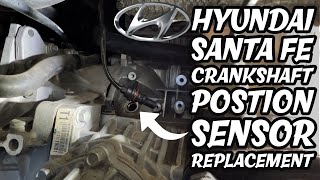
Helpful Videos
Technical Specifications
OEM Part Numbers: 39310-3C600 (3.3L V6) 39180-2G000 (2.4L & 2.0L Turbo) 39180-2S200 (2.5L Turbo) 39180-2S000 (2.5L Non-Turbo)
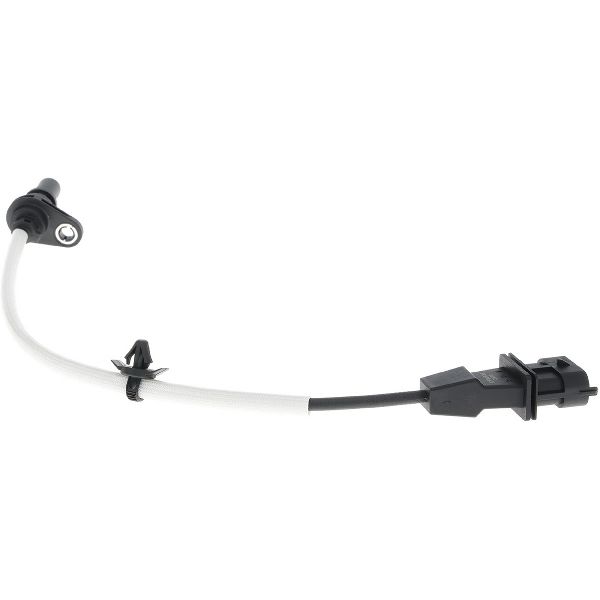
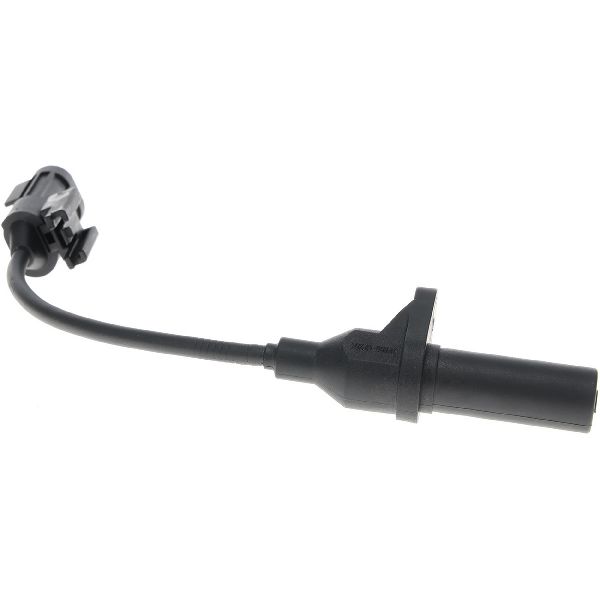
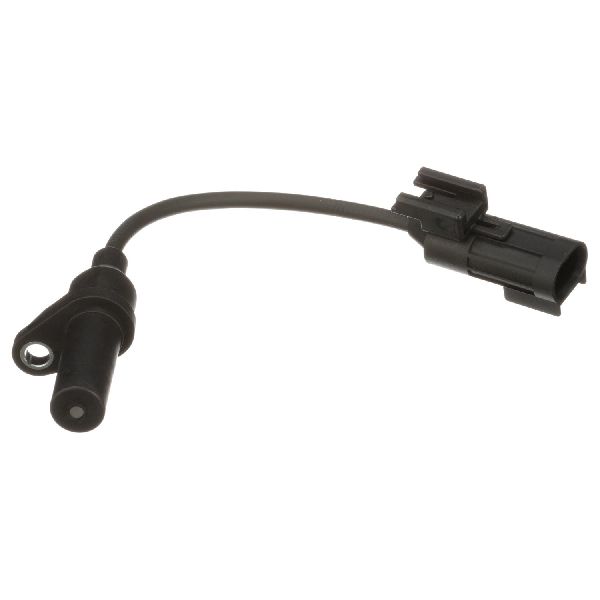
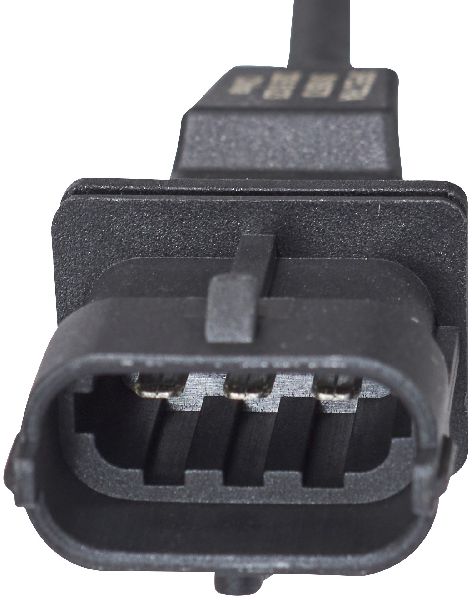
This is a magnetic or Hall effect sensor that reads the position of the crankshaft via a reluctor wheel. It typically has a 2 or 3-pin electrical connector. The correct sensor must be used for each specific engine.
We Have This Part in Stock


The information in this article is provided for general reference and educational purposes only. Vehicle specifications, procedures, and part compatibility can vary by production date, trim level, and region. Always consult your vehicle's factory service manual and verify part numbers before purchasing or performing repairs. Safety-critical components such as airbags, seat belts, and braking systems should be installed by a qualified professional.
- Kia Sorento:
- 🎬 Helpful Videos
- 🛍️ Shop This Part
- Is Your Sorento Stalling or Refusing to Start?
- Symptoms of a Failing Crankshaft Position Sensor in a Kia Sorento
- Choosing the Right Aftermarket Sensor: Brand Quality Tiers
- Known Issues: Crankshaft Recall (Not Sensor)
- Cost to Replace a Kia Sorento Crankshaft Position Sensor (2016-2024)
- Frequently Asked Questions
- 🎟️ Get 5% Off