

A Guide to the Engine Crankshaft Position Sensor for the 2016-2024 Land Rover Discovery
Troubleshoot stalling and no-start issues by understanding your Discovery's crankshaft position sensor.
- A failing crankshaft sensor is a critical issue that can cause your Discovery to stall while driving or fail to start.
- Common fault codes associated with this failure are P0335 and P0336.
- For a sensitive European vehicle, using an OEM (Bosch) or premium aftermarket (Delphi) sensor is strongly recommended for reliability.
- Replacement is possible for a DIYer but requires safely lifting the vehicle and removing the engine undertray to access the sensor.
Is Your Land Rover Discovery Stalling or Refusing to Start?
A faulty engine crankshaft position sensor is a common reason for a Land Rover Discovery that cranks but won't start, or one that stalls unexpectedly. This sensor provides the engine's main computer with the information it needs to run. When it begins to fail, it can cause symptoms that range from annoying to leaving you stranded. Because it can cause the engine to shut off while driving, it is a critical safety component that should be addressed immediately.
Sensor Failure vs. Crankshaft Failure
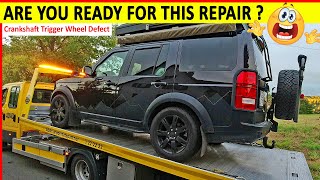
It is important to distinguish between a failing sensor and a failing crankshaft. Some Land Rover engines, particularly the 3.0L diesel models, have a known issue with catastrophic crankshaft mechanical failure. This is a severe engine problem requiring a complete rebuild or replacement, not just a new sensor. While a bad sensor can cause a no-start or stalling, a mechanical crankshaft failure often involves engine seizure and is a much more serious issue.
Symptoms of a Failing Crankshaft Position Sensor
A bad crankshaft sensor can fail intermittently, often getting worse as the engine warms up. Watch for these common signs:
- Engine Cranks but Will Not Start: This is the most definitive symptom. The starter will turn the engine over, but it will not fire up.
- Sudden Stalling: The engine may shut off without warning while driving or idling, which can be dangerous. It may restart after cooling down.
- Rough Idle and Vibrations: The engine may feel shaky or run unevenly when stopped.
- Poor Acceleration: You may notice hesitation or a general lack of power when you press the gas pedal.
- Check Engine Light: A failing sensor will often trigger the check engine light and store fault codes like P0335 or P0336. 🎬 See how a faulty trigger wheel causes these specific codes.
Choosing the Right Aftermarket Sensor for Your Discovery
For sensitive electronics on a Land Rover, part quality matters. While many aftermarket options exist, they generally fall into two tiers. Using a low-quality sensor can result in it failing right out of the box or having a very short service life.
Premium Aftermarket (OEM-Quality)
Brands like Delphi are often Original Equipment Manufacturers (OEM) for many car brands. They are engineered to meet or exceed the original part's specifications. Forum members and mechanics often recommend sticking to an OEM or OEM-quality brand like Bosch (the original supplier) or Delphi for critical sensors to ensure reliability and avoid having to do the job twice.
Standard Aftermarket
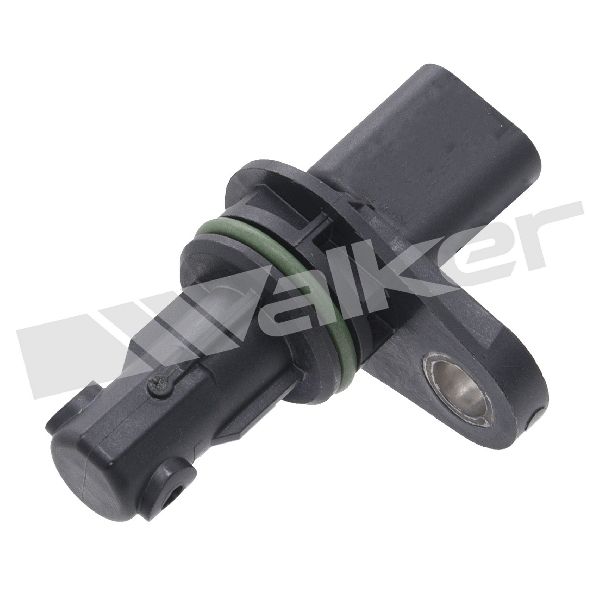
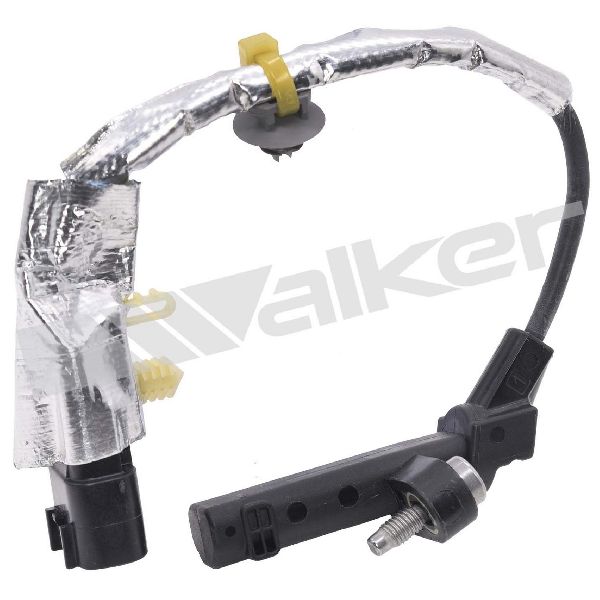
Brands like Standard Ignition, Holstein, and Walker Products offer a cost-effective alternative. Standard Ignition (which also makes Intermotor) is generally well-regarded in the aftermarket. These parts are designed to function as a direct replacement but may not have the same long-term durability or precise calibration as an OEM or premium part. For a critical sensor on a complex vehicle, saving a few dollars here can sometimes lead to more headaches later.
| Part | Price Range | Notes |
|---|---|---|
| New OEM (Land Rover/Bosch) | $150 - $220 | Highest quality and reliability. Recommended for this critical part. |
| New Aftermarket (Premium) | $90 - $165 | Brands like Delphi. A strong alternative to OEM. |
| New Aftermarket (Standard) | $35 - $90 | Brands like Holstein, Walker. A budget-friendly option, but carries some risk of premature failure. |
Pro Tip: Check the Connector
Sometimes the issue isn't the sensor itself, but a loose or corroded electrical connector. Given the sensor's location underneath the vehicle, it's exposed to moisture and dirt. When replacing the sensor, always inspect the wiring harness connector for damage 🎬 Learn how to diagnose persistent codes after installing a sensor. or corrosion and clean it thoroughly.
Frequently Asked Questions (FAQ)
Where is the crankshaft sensor on a 2016-2024 Discovery?
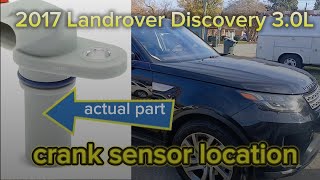
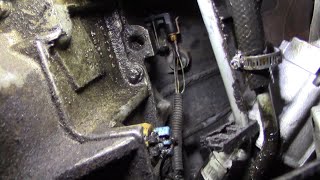
For the Discovery 5 (2017+), the crankshaft position sensor is located on the lower part of the engine, near the transmission bell housing and oil pan. It is accessed from underneath the vehicle after removing a large plastic or metal undertray. It is typically held in place by a single T30 Torx bolt.
🎬 Watch: See the exact sensor location on a 3.0L Discovery.Can I replace this sensor myself?
Yes, this is a feasible DIY job for someone with moderate experience. You will need to safely lift the vehicle with jack stands, remove the undertray (which can have many bolts), and use a T30 Torx socket, likely with an extension. The most difficult part is often accessing the sensor in a tight space.
What happens if I don't replace a bad crankshaft sensor?
You should not drive with a known bad crankshaft sensor. The intermittent stalling poses a serious safety risk, as the engine could shut off at high speed or in traffic. Eventually, the sensor will likely fail completely, leaving you stranded with a car that will not start.
Are there any recalls for this part on my Discovery?
There are no specific recalls for the crankshaft position sensor on the 2016-2024 Land Rover Discovery. There was a recall (NHTSA ID: 19V040000) for the 2019 Discovery concerning a crankshaft pulley bolt that could fracture, but this is a different component.
Helpful Videos
Technical Specifications
OEM Part Numbers: LR035561
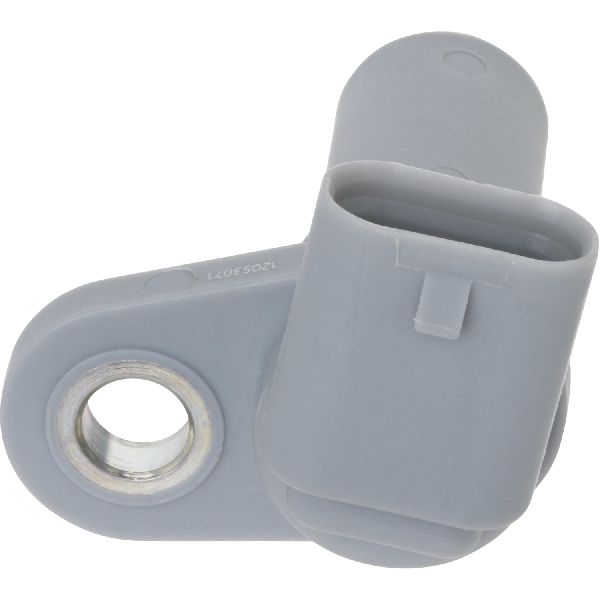
The sensor for the 2016-2024 Discovery is typically a 3-pin Hall-effect sensor. It is mounted on the engine block with a single T30 Torx bolt.
We Have This Part in Stock


The information in this article is provided for general reference and educational purposes only. Vehicle specifications, procedures, and part compatibility can vary by production date, trim level, and region. Always consult your vehicle's factory service manual and verify part numbers before purchasing or performing repairs. Safety-critical components such as airbags, seat belts, and braking systems should be installed by a qualified professional.
- Land Rover Discovery:
- 🎬 Helpful Videos
- 🛍️ Shop This Part
- Is Your Land Rover Discovery Stalling or Refusing to Start?
- Sensor Failure vs. Crankshaft Failure
- Symptoms of a Failing Crankshaft Position Sensor
- Choosing the Right Aftermarket Sensor for Your Discovery
- Premium Aftermarket (OEM-Quality)
- Standard Aftermarket
- Pro Tip: Check the Connector
- Frequently Asked Questions (FAQ)
- 🎟️ Get 5% Off