

A Lexus Owner's Guide to Replacing Oxygen Sensors on the 2016-2024 ES350
Understanding your ES350's oxygen sensors and how to choose the right aftermarket replacement when the check engine light comes on.
- Your ES350 has four sensors; identify the correct Bank (1=Rear, 2=Front) and Position (1=Upstream, 2=Downstream) before ordering.
- Denso is the Original Equipment Manufacturer (OEM) for Lexus. Choosing Denso or NGK/NTK aftermarket sensors is the most reliable choice for performance and compatibility.
- A check engine light with codes like P0138, P0158, P0031, or P0051 is the primary indicator of a failed oxygen sensor.
- Replacing the rear (Bank 1) sensors is a difficult job due to tight access near the firewall; front (Bank 2) sensors are much easier.
Is Your Check Engine Light On? It Could Be an Oxygen Sensor
One of the most common reasons the check engine light illuminates on a Lexus ES350 is a failing oxygen sensor. While it's a part that wears out over time, ignoring it can lead to bigger problems. A bad sensor can cause poor fuel economy, a rough idle, and even damage your expensive catalytic converters down the road. This guide will help you understand the symptoms, choose the right replacement part, and know what to expect from the repair.
Symptoms of a Failing Oxygen Sensor on Your ES350
- Check Engine Light: The most obvious sign. Common codes include P0138, P0158, P0031, and P0051.
- Worse Gas Mileage: The engine's computer gets bad data and may inject too much fuel, hurting your MPG.
- Rough Engine Performance: You might notice a rough idle, hesitation when you accelerate, or even engine misfires.
- Rotten Egg Smell: Excess, unburnt fuel in the exhaust can create a sulfur-like smell.
- Failed Emissions Test: Your car won't pass an emissions inspection with a faulty O2 sensor.
Understanding Sensor Locations: Bank 1 vs. Bank 2
Your ES350's V6 engine has two sets of sensors. Correctly identifying which one has failed is critical for ordering the right part. A code scanner will tell you the specific bank and sensor number.
- Bank 1: This is the cylinder bank located against the firewall (the wall between the engine and the passenger cabin). It is also called the 'rear' bank. Sensors on this bank are significantly harder to access.
- Bank 2: This is the cylinder bank at the front of the engine bay, near the radiator. It is also called the 'front' bank. These sensors are much easier to replace.
- Sensor 1: This is the Upstream sensor, located before the catalytic converter. It is technically an Air/Fuel Ratio Sensor.
- Sensor 2: This is the Downstream sensor, located after the catalytic converter. This is the Heated Oxygen Sensor.
Pro Tip: A code like "P0158" means Bank 2, Sensor 2. This would be the downstream (post-catalytic converter) sensor on the front, radiator-side of the engine.
Choosing the Right Aftermarket Oxygen Sensor
For a precision vehicle like your Lexus, the brand of sensor you choose matters. While OEM parts from a Lexus dealer are always an option, high-quality aftermarket parts can offer the same performance for less money.
Aftermarket Brand Quality Tiers
| Tier | Brands | Assessment |
|---|---|---|
| OEM Equivalent | Denso, NGK (NTK) | Denso is the original equipment manufacturer for Toyota and Lexus. Choosing a Denso sensor is the closest you can get to the original part without the dealership price tag. NGK (which brands its sensors as NTK) is another top-tier Japanese manufacturer that supplies original parts to many automakers and is an excellent choice. |
| High-Quality Aftermarket | Bosch | Bosch invented the modern oxygen sensor and is a global leader in automotive parts. Their sensors are high quality, though some mechanics and forum users prefer to stick with the original Japanese OEM (Denso/NTK) for Japanese vehicles to ensure perfect compatibility. |
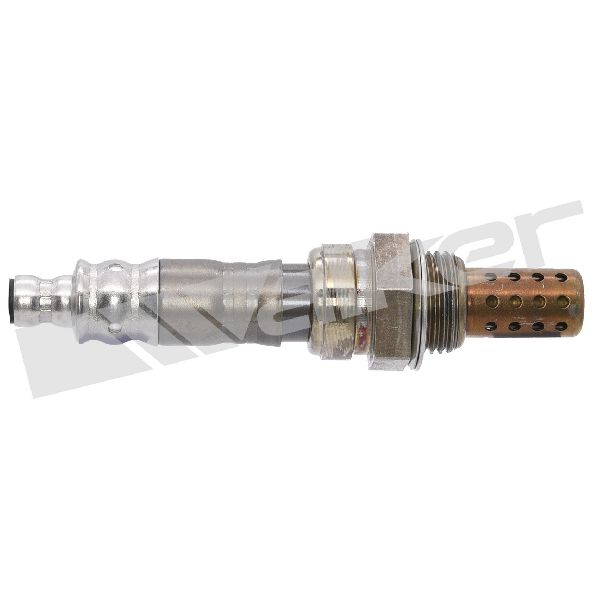
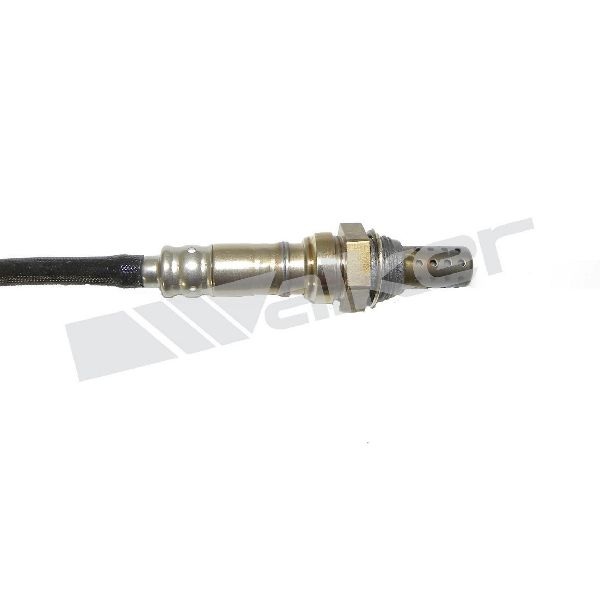
| Standard / Economy | DriveWire, Walker Products | These brands provide a more budget-friendly option. They are functional replacements that can solve a check engine light code but may not offer the same longevity or exact performance characteristics as an OEM-spec sensor. |
Known Issues: Recalls and Service Bulletins
Searches for the 2016-2024 ES350 did not find any recalls or Technical Service Bulletins (TSBs) specifically for engine oxygen sensors. However, there are some related items to be aware of:
- Unrelated Recalls: There is a safety recall (NHTSA ID: 23V865000) for some 2020-2021 ES350 models concerning the passenger seat OCS sensor, which affects airbag deployment. This is not the same as an engine oxygen sensor.
- Persistent Codes: On some older Lexus models, a P0138 code was sometimes caused by a failing upstream A/F sensor, even though the code points to the downstream sensor. If you replace a sensor and the code returns, further diagnosis of the wiring and related sensors may be needed.
Frequently Asked Questions (FAQ)
How many oxygen sensors does a 2016-2024 Lexus ES350 have?
It has four sensors in total: two upstream Air/Fuel ratio sensors and two downstream Heated Oxygen sensors.
Should I replace all four sensors at once?
No, it is not necessary. You only need to replace the specific sensor that has failed and triggered the diagnostic trouble code. However, oxygen sensors have a similar lifespan, so if one fails due to high mileage (over 100,000 miles), others may not be far behind.
What is the difference between an upstream and a downstream sensor?
The upstream sensor (Sensor 1) measures the exhaust directly from the engine and is used for making rapid fuel-trim adjustments. The downstream sensor (Sensor 2) measures the exhaust after it has passed through the catalytic converter to check the converter's efficiency.
Is it hard to replace an ES350 oxygen sensor myself?
The difficulty varies greatly. The front sensors (Bank 2) are relatively easy to access. The rear sensors (Bank 1, near the firewall) are very difficult to reach and may require removing the wiper assembly and other components for access. A special oxygen sensor socket is highly recommended for the job.
Why is Denso recommended so often for a Lexus?
Denso is the Original Equipment Manufacturer (OEM) that makes the part for Lexus. This means a Denso aftermarket part is built to the exact same specifications as the one your car came with from the factory, ensuring a perfect fit and reliable performance.
Technical Specifications
OEM Part Numbers: 89467-33180 89465-33420 89465-33360
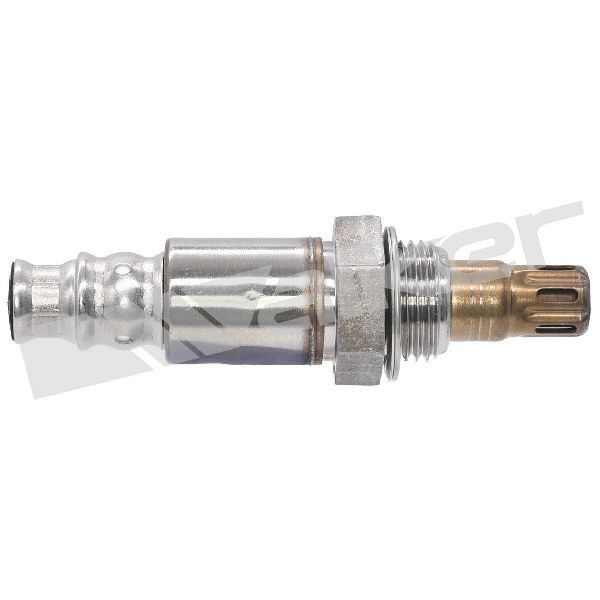
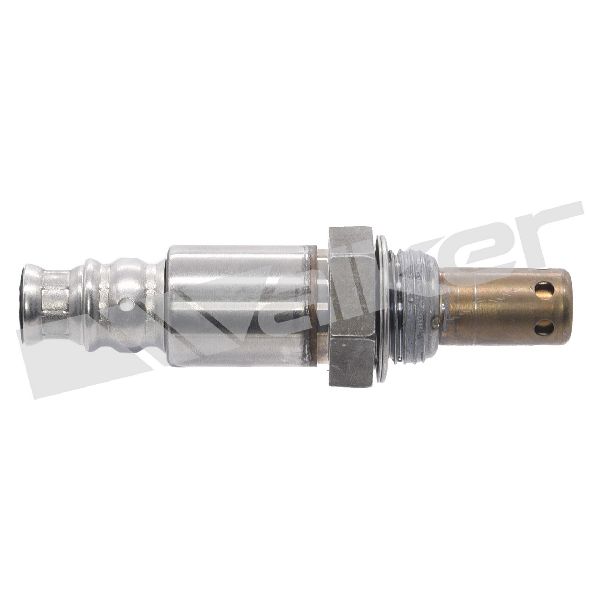
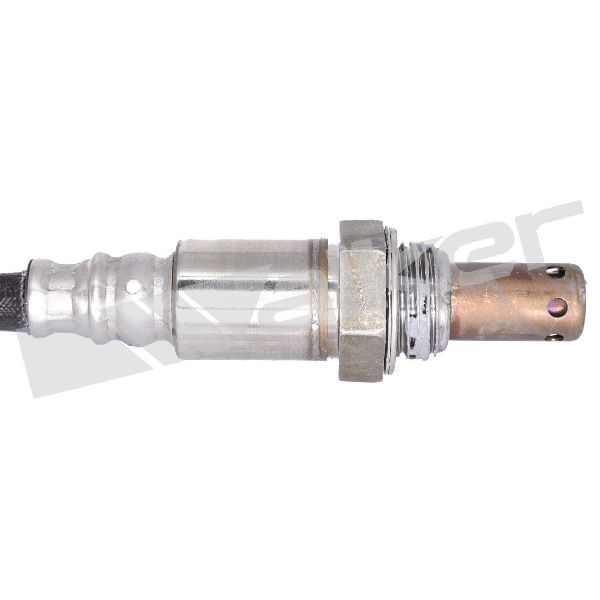
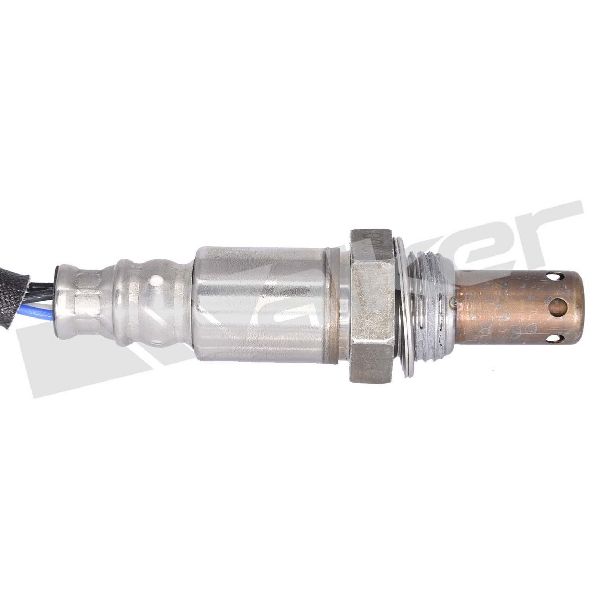
The 2016-2024 Lexus ES350 uses four sensors total. Two upstream wideband Air/Fuel Ratio (A/F) sensors and two downstream conventional Heated Oxygen (O2) sensors. The specific part number varies based on the sensor's location (Bank 1/2, Upstream/Downstream) and vehicle production date.
We Have This Part in Stock

The information in this article is provided for general reference and educational purposes only. Vehicle specifications, procedures, and part compatibility can vary by production date, trim level, and region. Always consult your vehicle's factory service manual and verify part numbers before purchasing or performing repairs. Safety-critical components such as airbags, seat belts, and braking systems should be installed by a qualified professional.
- Lexus ES350:
- 🛍️ Shop This Part
- Is Your Check Engine Light On? It Could Be an Oxygen Sensor
- Symptoms of a Failing Oxygen Sensor on Your ES350
- Understanding Sensor Locations: Bank 1 vs. Bank 2
- Choosing the Right Aftermarket Oxygen Sensor
- Aftermarket Brand Quality Tiers
- Known Issues: Recalls and Service Bulletins
- Frequently Asked Questions (FAQ)
- 🎟️ Get 5% Off