

Lexus IS300 (2016-2024) Engine Coolant Temperature Sensor Guide
Experiencing poor fuel economy or a rough idle in your IS300? Your Engine Coolant Temperature Sensor could be the problem.
- A faulty ECT sensor can cause poor fuel economy, rough idling, and overheating in your IS300.
- For best results, choose a top-tier aftermarket brand like Denso (an OEM supplier), NGK/NTK, or Delphi.
- There are no major recalls for this specific part, but common trouble codes include P0117 and P0118.
- While DIY replacement is possible, accessing the sensor can be difficult and may require removing other parts.
Symptoms of a Failing ECT Sensor in a Lexus IS300
When the coolant temperature sensor in your 2016-2024 IS300 starts to fail, it can send incorrect information to the car's computer. This can lead to a variety of noticeable problems. You might see a Check Engine Light, but other symptoms can appear first.
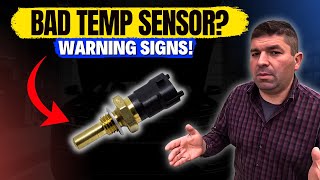
🎬 Watch a breakdown of common symptoms and estimated replacement costs.- Poor Fuel Economy: If the sensor incorrectly tells the computer the engine is cold, the computer will enrich the fuel mixture, causing you to use more gas than necessary.
- Engine Overheating or Running Cool: A bad sensor might prevent the cooling fans from turning on when needed, leading to overheating. Conversely, it could report a hot engine when it's not, causing the temperature gauge to give a false high reading.
- Rough Idle and Poor Performance: The wrong temperature reading can lead to an improper air-fuel mixture, causing the engine to shake, hesitate, or feel sluggish.
- Black Smoke from Exhaust: A very rich fuel mixture, caused by a faulty sensor reading, can result in unburned fuel exiting through the exhaust as black smoke.
- Hard Starting: Especially when the engine is cold, an incorrect temperature reading can make it difficult for the engine to start properly.
Choosing the Right Aftermarket ECT Sensor
For a critical component like an engine sensor on a Lexus, quality matters. While an OEM sensor from Lexus is always an option, several aftermarket brands offer excellent quality, sometimes from the same manufacturer that supplies Lexus.
Pro Tip: Denso is a well-known original equipment manufacturer (OEM) for Toyota and Lexus. Choosing a Denso aftermarket sensor often means you are getting the same quality as the genuine Lexus part, but at a lower price.
Here’s a breakdown of available brands into tiers:
- Top Tier (OEM or Equivalent): Brands like Denso and NGK/NTK are top choices. They are known for manufacturing to strict OE standards, ensuring reliability and accurate readings. Delphi is another strong contender with a good reputation in the aftermarket for electronic components.
- Mid-Tier (Reputable Aftermarket): Brands such as Beck Arnley, Standard Motor Products (SMP), and Walker Products fall into this category. They offer a good balance of price and quality, often meeting or exceeding OE specifications.
- Budget-Tier (Use with Caution): Brands like URO Parts, Facet, and other lesser-known names are typically the most affordable. However, forum discussions suggest that while they might work for non-critical components, their reliability for sensitive electronics can be questionable. Fitment issues and premature failure are more commonly reported with these brands.
| Tier | Brands | General Assessment |
|---|---|---|
| Top Tier | Denso, NGK/NTK, Delphi | OEM-level quality and reliability. Highly recommended for fit and performance. |
| Mid-Tier | Beck Arnley, Standard Motor Products, Walker Products | Solid, reliable choice for a balance of cost and quality. |
| Budget Tier | URO Parts, Facet, Global Parts, Holstein | Lowest cost, but higher risk of fitment or longevity issues. Best for temporary fixes or if on a strict budget. |
Known Issues, Recalls, or TSBs
As of early 2026, there are no specific recalls or widespread Technical Service Bulletins (TSBs) from Lexus or the NHTSA for the engine coolant temperature sensor on the 2016-2024 IS300. Recalls for this model year range primarily concern the fuel pump assembly.
Frequently Asked Questions (FAQ)
Where is the ECT sensor located on the 2016-2024 Lexus IS300?
The ECT sensor is typically screwed into a coolant passage on the engine block or cylinder head, often near the thermostat housing. On some engines, there may be more than one sensor. Access can be tight, sometimes requiring the removal of other components like the intake manifold for easier reach.
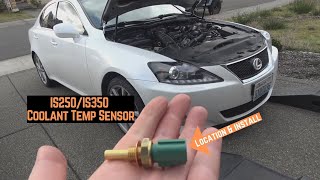
Can I replace the ECT sensor myself? 🎬 Watch this walkthrough for removing and installing the sensor.
Yes, for a moderately experienced DIY mechanic, this is a feasible job. It involves draining some coolant, unplugging the electrical connector, and unscrewing the old sensor to install the new one. However, access can be challenging. If you are not comfortable working in tight spaces or draining coolant, professional installation is recommended.
What happens if I ignore a bad ECT sensor?
Ignoring a bad ECT sensor can lead to more serious problems. Persistently poor fuel economy costs you money, while running a rich mixture can foul spark plugs and damage the catalytic converter over time. Most critically, if the sensor fails to trigger the cooling fans, you risk severe engine damage from overheating.
What do the trouble codes P0117 and P0118 mean?
These are common codes related to the ECT sensor. P0117 (Circuit Low Input) means the ECU is detecting a voltage signal lower than expected, which it interprets as an extremely high temperature. P0118 (Circuit High Input) means the voltage is too high, which the ECU interprets as an extremely low temperature. Both codes point directly to a problem with the sensor or its circuit.
🎬 See a professional diagnosis and explanation of these trouble codes.Helpful Videos
Technical Specifications
OEM Part Numbers: 89422-33030 89422-47010
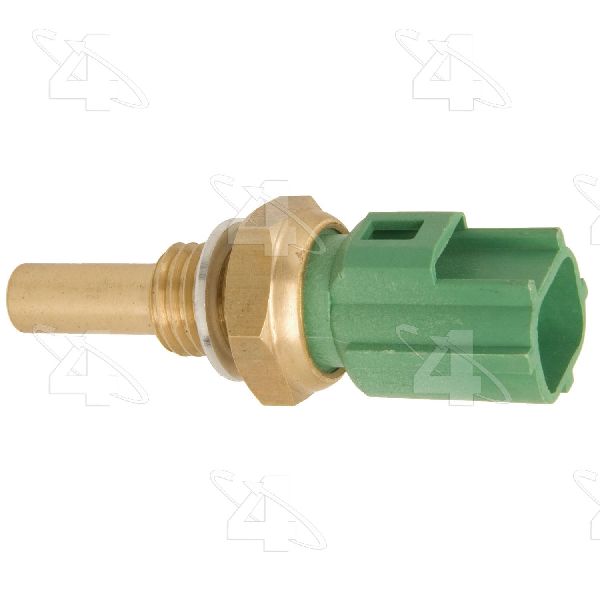
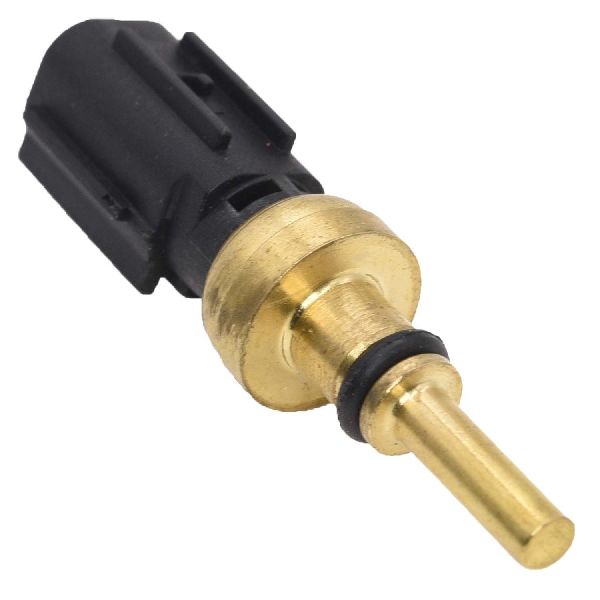
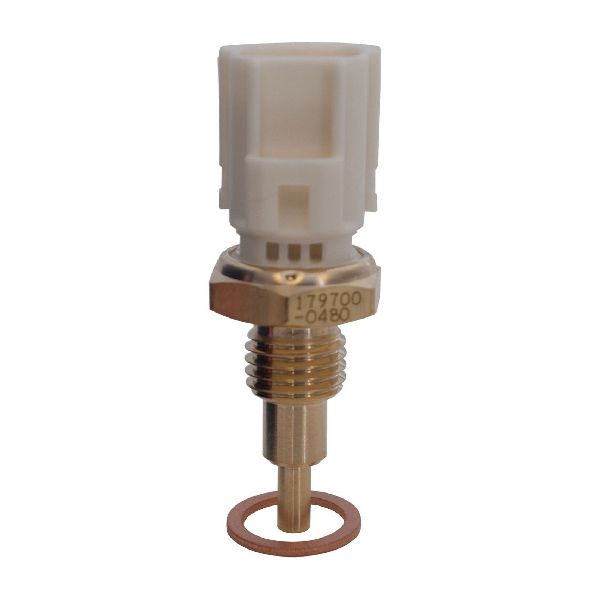
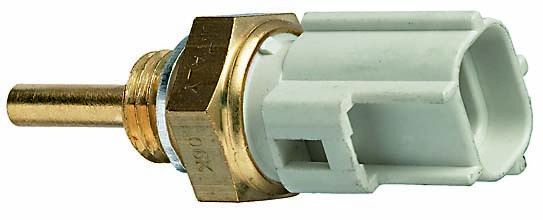
The sensor is a thermistor, which changes its electrical resistance based on temperature. It typically has a two-pin connector and a brass body with a threaded end for installation into a coolant passage.
We Have This Part in Stock


The information in this article is provided for general reference and educational purposes only. Vehicle specifications, procedures, and part compatibility can vary by production date, trim level, and region. Always consult your vehicle's factory service manual and verify part numbers before purchasing or performing repairs. Safety-critical components such as airbags, seat belts, and braking systems should be installed by a qualified professional.
- Lexus IS300: