

Lexus RC300 (2016-2024) Engine Coolant Temperature Sensor Guide
Understand the signs of a failing coolant temperature sensor in your RC300 and how to choose the right replacement.
- A bad ECT sensor can cause a Check Engine Light, poor fuel economy, overheating, and rough running.
- For a reliable repair, choose an OEM-equivalent brand like Denso or a quality aftermarket brand like Delphi or Standard Ignition.
- This is a DIY-friendly repair that can be done in under an hour with basic tools, saving on labor costs.
- There are no active recalls for this specific part on the Lexus RC300, but it is a common wear item.
Is Your RC300's Coolant Temp Sensor Failing?
A bad Engine Coolant Temperature (ECT) sensor can cause noticeable problems. Because this sensor influences so many engine functions, a faulty one can mimic other, more serious issues. Watch for a combination of these symptoms to help pinpoint the sensor as the culprit.
Common Failure Symptoms:
- Check Engine Light: This is often the first sign. The car's computer will detect a signal from the sensor that is out of the normal range and trigger a warning light. Common codes associated with this issue are P0115, P0117, P0118, and P0128.
- Poor Fuel Economy: If the sensor incorrectly tells the computer the engine is cold, the computer will enrich the fuel mixture, causing you to use more gas than necessary.
- Engine Overheating or Running Too Cool: A faulty sensor might not trigger the cooling fans when needed, leading to overheating. Conversely, it might report the engine is hot when it's not, or the thermostat might be stuck open, causing the temperature gauge to stay low.
- Black Smoke from Exhaust: A rich fuel mixture caused by a bad sensor can result in unburnt fuel exiting through the exhaust, appearing as black smoke.
- Rough Idle or Hard Starting: The wrong fuel and timing adjustments from a bad sensor reading can make the engine run poorly, especially at idle or when trying to start.
Don't Ignore the Signs
Driving with a faulty ECT sensor can lead to more significant problems. An engine that overheats can suffer severe damage, like a warped cylinder head. Continuously running a rich fuel mixture can foul spark plugs and damage the catalytic converter over time.
Choosing the Right Aftermarket Sensor
You don't need to buy a sensor from the Lexus dealer to get a quality part. Many aftermarket brands offer excellent replacements, and some are even the original equipment manufacturer (OEM) for Lexus.
Brand Quality Tiers:
- OEM & OEM-Equivalent (Top Tier): Brands like Denso are often the original supplier to Toyota and Lexus. Choosing Denso is essentially like getting the factory part without the dealer markup. Beck Arnley is another strong choice, as they often source parts from the original manufacturers. NGK/NTK is also a top-tier sensor manufacturer with a reputation for quality.
- Quality Aftermarket (Mid Tier): Brands such as Delphi, Standard Ignition (SMP), and Walker Products produce reliable sensors that meet or exceed OEM specifications. They are a dependable choice for a balance of price and quality.
- Budget-Friendly (Economy Tier): Brands like URO Parts, Facet, and Global Parts offer a more affordable option. While they can be a good value, they may not have the same long-term durability or precise calibration as higher-tier brands.
Pro Tip: Check the Part Number
The most reliable way to ensure you get the right part is to match the OEM part number. For many Lexus RC300 models, a common OEM part number is 89422-35010. Always verify compatibility with your vehicle's specific year and engine (2.0L Turbo or 3.5L V6) before purchasing.
Replacement Cost
Replacing the ECT sensor is a relatively inexpensive repair. The part itself is affordable, and the labor is straightforward for a mechanic or an experienced DIYer.
| Item | Estimated Cost |
|---|---|
| New Aftermarket Sensor | $13 - $85 |
| New OEM Sensor | $70 - $185 |
| Shop Labor | $100 - $200 |
| Total Professional Replacement | $170 - $385 |
Frequently Asked Questions
Where is the ECT sensor located on the Lexus RC300?
The sensor is typically screwed into the engine block or cylinder head near the thermostat housing, in the path of coolant flow. On some Lexus V6 engines, it may be located under the intake manifold, requiring more disassembly to access. You will need to remove the plastic engine cover to see it.
Can I replace the ECT sensor myself?
Yes, this is a DIY-friendly job for most people with basic tools. The process involves letting the engine cool completely, partially draining the coolant, unplugging the electrical connector, and unscrewing the old sensor. Be prepared for some coolant to spill and have the new sensor ready to install quickly to minimize loss.
Do I need to drain all the coolant to replace the sensor?
No, you don't need to drain the entire system. You can partially drain the radiator until the coolant level is below the sensor's location. Alternatively, if you are quick, you can swap the sensor with minimal coolant loss, but be prepared for a small spill.
Is there a recall on the RC300 for the coolant sensor?
Currently, there are no specific recalls for the engine coolant temperature sensor on the 2016-2024 Lexus RC300. There have been recalls for the fuel pump, but these are unrelated to the cooling system.
Technical Specifications
OEM Part Numbers: 89422-35010 89422-30030 89422-20010
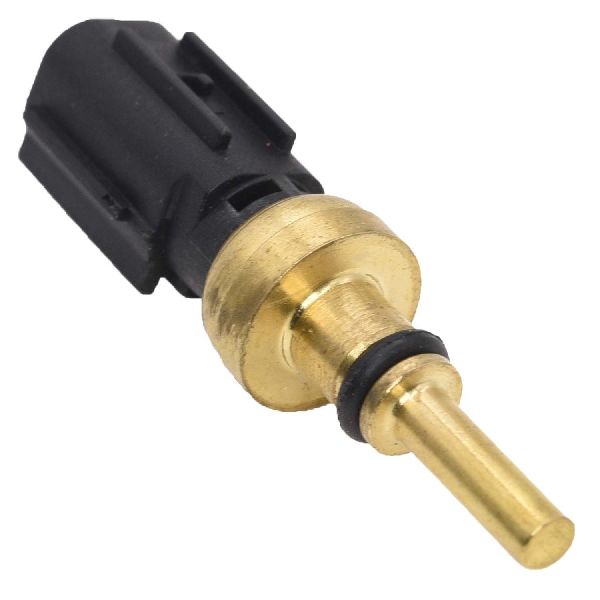
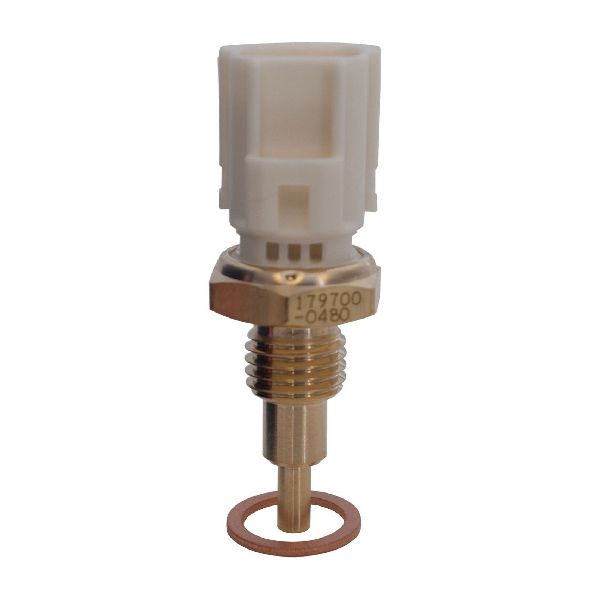
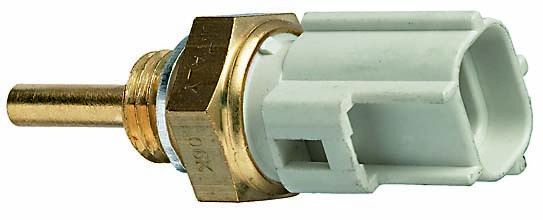
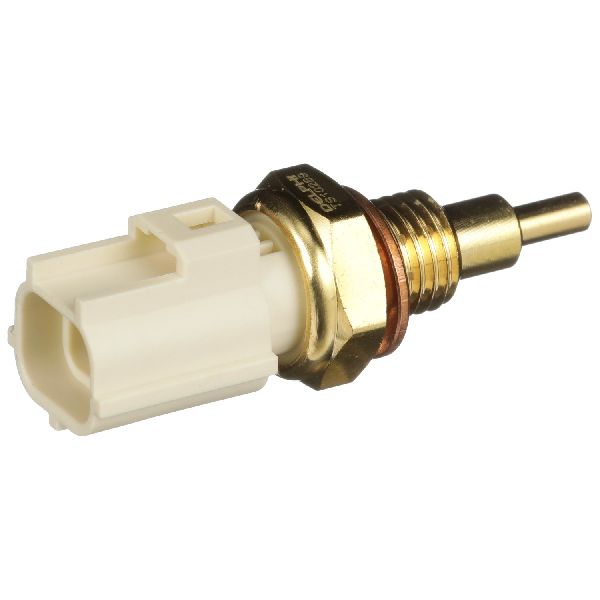
The sensor is a thermistor, meaning its electrical resistance changes with temperature. The PCM sends a reference voltage (typically 5V) to the sensor and reads the return voltage to determine coolant temperature.
We Have This Part in Stock


The information in this article is provided for general reference and educational purposes only. Vehicle specifications, procedures, and part compatibility can vary by production date, trim level, and region. Always consult your vehicle's factory service manual and verify part numbers before purchasing or performing repairs. Safety-critical components such as airbags, seat belts, and braking systems should be installed by a qualified professional.
- Lexus RC300: