

Lexus RC300 Mass Air Flow Sensor Guide (2016-2024)
Is your Lexus RC300 running rough or losing power? Your Mass Air Flow sensor could be the problem.
- Denso is the original equipment (OEM) supplier for the RC300; choosing this brand ensures the best quality and compatibility.
- Verify your engine (3.5L V6 vs. 2.0L Turbo) before ordering, as they use different MAF sensor part numbers.
- Symptoms like stalling and rough running can also be caused by a separate fuel pump recall (20LA01), so check if your vehicle is affected.
- Replacement is a very simple DIY task that requires minimal tools and can be completed in under 30 minutes.
Understanding the MAF Sensor in Your RC300
A failing Mass Air Flow (MAF) sensor can cause a variety of frustrating engine problems, from poor gas mileage to unexpected stalling. Because this sensor provides vital data for the air-fuel mixture, even a small error in its readings can have a noticeable effect on how your Lexus drives. Fortunately, replacing a MAF sensor is one of the simpler and more affordable repairs you can perform.
Is Your MAF Sensor Failing? Common Symptoms
When a MAF sensor gets dirty or fails, it sends incorrect information to the engine computer. This can lead to several noticeable symptoms:
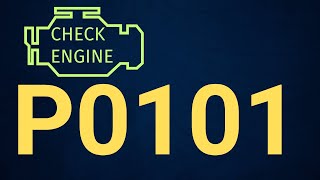
- Check Engine Light: This is often the first sign. A scan tool will typically show codes like P0101, P0102, P0171, or P0174. 🎬 Watch: Understanding P0101 codes and common MAF sensor symptoms.
- Rough Idle: The engine may shake, sputter, or vibrate when you're stopped.
- Hesitation or Stalling: You might feel a delay or jerking when you accelerate, and the engine could stall, especially when idling.
- Poor Fuel Economy: An incorrect air-fuel mixture often means the engine uses more fuel than necessary.
- Loss of Power: The car may feel sluggish and struggle to accelerate smoothly.
- Black Smoke from Exhaust: This indicates the engine is running too rich (too much fuel), a common result of a bad MAF sensor reading.
Important Note on Similar Symptoms: Fuel Pump Recall
Lexus issued a major safety recall (20LA01) for a faulty low-pressure fuel pump in many models, including the 2018-2019 RC300. A failing fuel pump can cause the engine to run rough and stall, especially at high speeds—symptoms very similar to a bad MAF sensor. Before replacing your MAF sensor, it is wise to check with a Lexus dealer or on the NHTSA website to see if your vehicle is affected by this recall.
Choosing the Right Aftermarket MAF Sensor
When it comes to engine sensors for a Lexus, quality matters. While many brands are available, they are not all created equal. Here’s a breakdown of your options.
Pro Tip: Before you buy, confirm your RC300's engine. The 2016-2017 models primarily used a 3.5L V6, while 2018-2024 models could have either the V6 (AWD) or a 2.0L 4-cylinder turbo (RWD). They use different MAF sensors.
Tier 1: OEM Supplier (Best Choice)
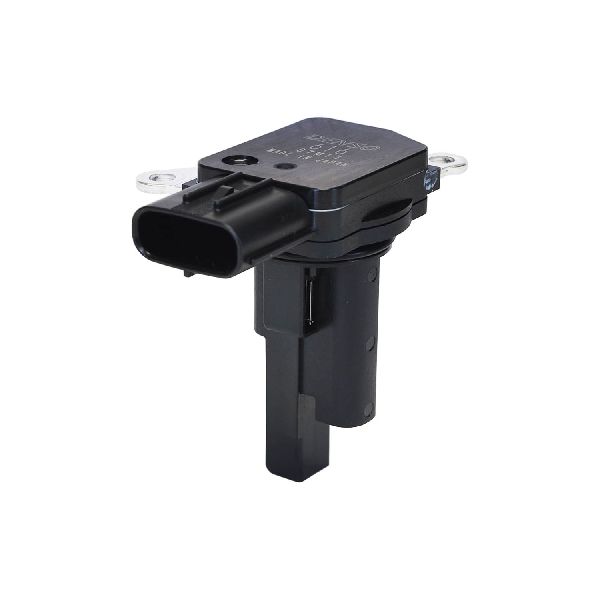
Denso: Denso is the original equipment manufacturer (OEM) for Toyota and Lexus. Choosing a Denso sensor is the closest you can get to buying the part from a Lexus dealer, ensuring perfect fit and performance. While it's at the higher end of the aftermarket price range, its reliability is unmatched. Forum members on ClubLexus overwhelmingly recommend sticking with Denso to avoid issues.
Tier 2: Reputable Aftermarket Brands (Good Value)
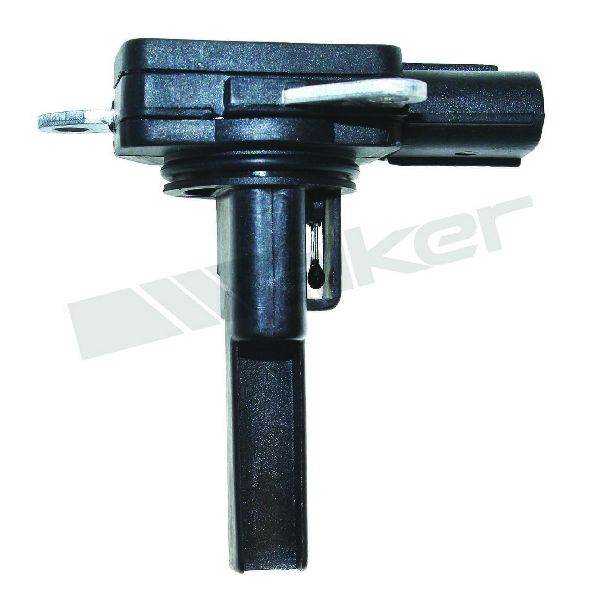
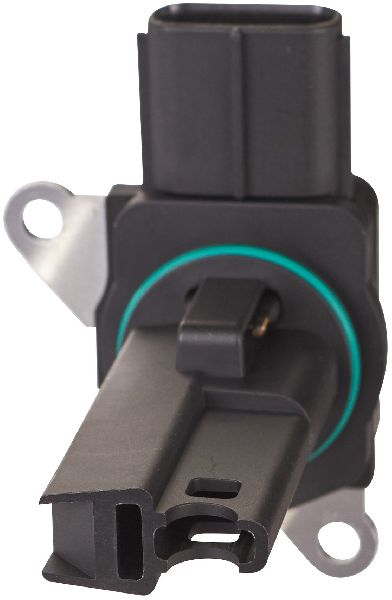
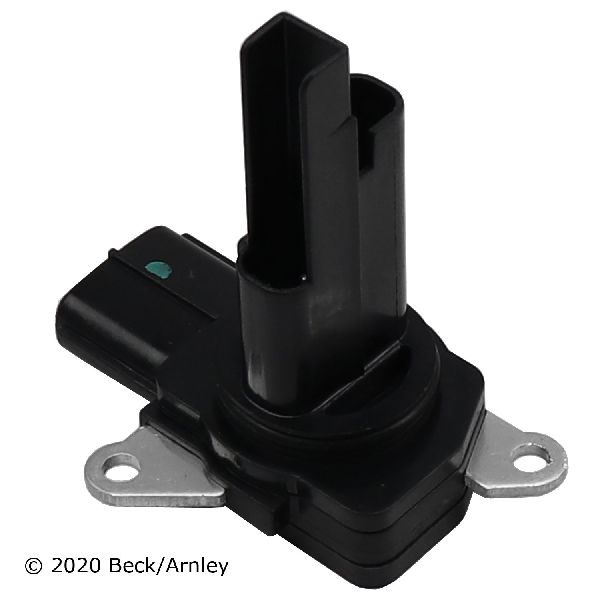
NGK, Delphi, Spectra Premium, Walker Products: These are well-known brands that produce reliable parts. They offer a good balance of quality and price, often costing significantly less than a Denso part. For a daily driver, these brands are a solid choice if you're looking to save money without sacrificing too much quality.
Tier 3: Budget & Remanufactured Brands (Use with Caution)
Cardone (Remanufactured), Skyward, Standard Ignition (Standard/T-Series), and other low-cost online options: While the low price is tempting, budget sensors can be a gamble. Some owners report success, but others experience premature failure or incorrect readings right out of the box. If your budget is very tight, they are an option, but be prepared for the possibility that it might not last as long as a higher-quality part.
Replacement Cost
Replacing the MAF sensor is a very straightforward job that most owners can do themselves in under 30 minutes. This makes it a great way to save on labor costs.
| Part/Service | Estimated Cost |
|---|---|
| New Aftermarket Part | $67 - $212 |
| New OEM Part (Dealer) | $205 - $226 |
| Shop Labor | $73 - $107 |
| DIY Total (Aftermarket Part) | $67 - $212 |
| Shop Total (OEM Part + Labor) | $278 - $333 |
Frequently Asked Questions
Can I just clean my MAF sensor instead of replacing it?
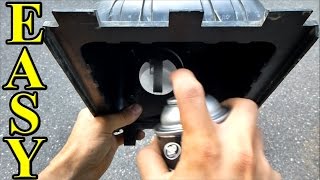
Sometimes, yes. The sensor's delicate wires can get dirty, and cleaning them with a dedicated MAF sensor cleaner spray can restore function. However, this is often a temporary fix. If the sensor's electronics are failing, or if cleaning doesn't solve the problem, replacement is the only solution. Never touch the sensor wires with your fingers or a tool.
🎬 See this in-depth guide on how to clean your sensor.Is this a difficult DIY job?
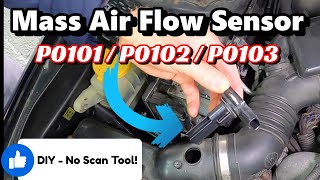
No, this is one of the easiest parts to replace. The MAF sensor is located on the air intake duct between the air filter box and the engine. It is held in by two screws and has one electrical connector. You typically only need a Phillips head screwdriver. The entire process takes less than 30 minutes.
🎬 Watch: How to test and replace your MAF sensor.Why are there different part numbers for the RC300?
The Lexus RC300 was equipped with two different engines during this period: a 3.5L V6 (engine code 2GR-FSE or 2GR-FKS) and a 2.0L 4-cylinder turbo (engine code 8AR-FTS). These engines use different MAF sensors. It is essential to verify which engine your car has before purchasing a part. The V6 commonly uses part number 22204-31020, while the 4-cylinder turbo may use 22204-75040 or 22204-0V020.
Does an aftermarket MAF sensor need to be calibrated?
For the Lexus RC300, a direct-fit replacement from a quality brand like Denso typically does not require any special calibration. After installing the new sensor, it's a good practice to clear the engine codes with a scan tool or disconnect the battery for about 15 minutes to reset the ECU's learned fuel trims.
Helpful Videos

Technical Specifications
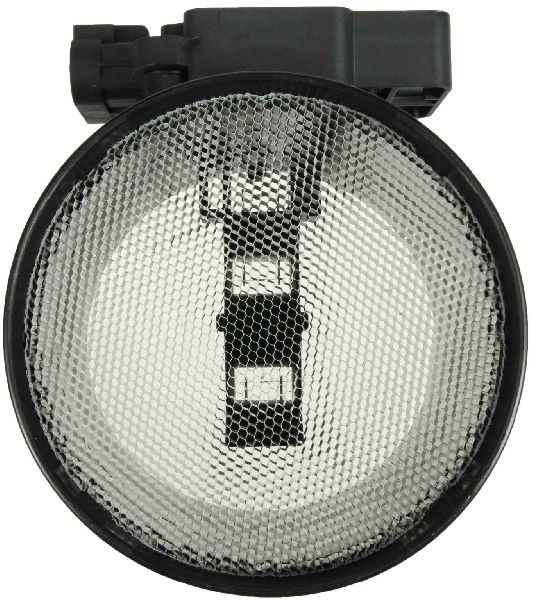
OEM Part Numbers: 22204-31020 22204-75040 22204-0V020
The correct part number depends on your RC300's engine. The 3.5L V6 typically uses 22204-31020. The 2.0L 4-cylinder turbo may use 22204-75040 or 22204-0V020. Always confirm fitment with your vehicle's VIN.
We Have This Part in Stock


The information in this article is provided for general reference and educational purposes only. Vehicle specifications, procedures, and part compatibility can vary by production date, trim level, and region. Always consult your vehicle's factory service manual and verify part numbers before purchasing or performing repairs. Safety-critical components such as airbags, seat belts, and braking systems should be installed by a qualified professional.
- Lexus RC300: