

Subaru Legacy Oxygen Sensor: A Guide for 2016-2024 Models
Learn to spot the signs of a failing oxygen sensor in your Legacy and how to choose the right aftermarket replacement.
- A check engine light, poor fuel economy, and a rough idle are the most common signs of a failing oxygen sensor.
- For best results and to avoid compatibility issues, choose an aftermarket sensor from an OEM supplier like Denso or NGK/NTK.
- Four-cylinder Legacy models have two O2 sensors, while six-cylinder models have four.
- A faulty upstream (front) sensor has a greater impact on engine performance and fuel consumption than a downstream (rear) sensor.
Is My Oxygen Sensor Failing?

A bad oxygen sensor can cause several noticeable problems with your Subaru Legacy. The most common sign is the check engine light turning on. You might also notice your car getting worse gas mileage than usual, idling roughly, or hesitating when you accelerate. In some cases, you might smell a strong gasoline or sulfur odor from the exhaust. These symptoms occur because the engine's computer isn't getting accurate data, leading to an incorrect air-fuel mixture.
Common Trouble Codes
A code reader can help confirm an O2 sensor issue. Common codes include:
- P0137: O2 Sensor Circuit Low Voltage (Bank 1, Sensor 2) - This often points to the downstream sensor. 🎬 Watch this guide on diagnosing and fixing the P0137 code.
- P0030: HO2S Heater Control Circuit (Bank 1, Sensor 1) - This indicates a problem with the heater inside the upstream sensor, which helps it warm up faster.
- P0171: System Too Lean (Bank 1) - While this can be caused by a vacuum leak, a faulty front oxygen sensor can also be the culprit. 🎬 Learn about the most common causes for a P0171 code.
Choosing the Right Aftermarket Oxygen Sensor

When replacing an oxygen sensor on a Subaru, quality matters. While OEM sensors from a dealer are an option, high-quality aftermarket brands can offer the same performance for less money. For Japanese vehicles like your Legacy, it's often best to stick with the brands that supply the original parts.
Pro Tip: For Subarus, using sensors from OEM suppliers like Denso or NGK (also sold under the NTK brand) is highly recommended. These parts are engineered to the exact specifications of your vehicle and are less likely to cause compatibility issues, which can sometimes happen with universal or budget brands.
Brand Quality Tiers
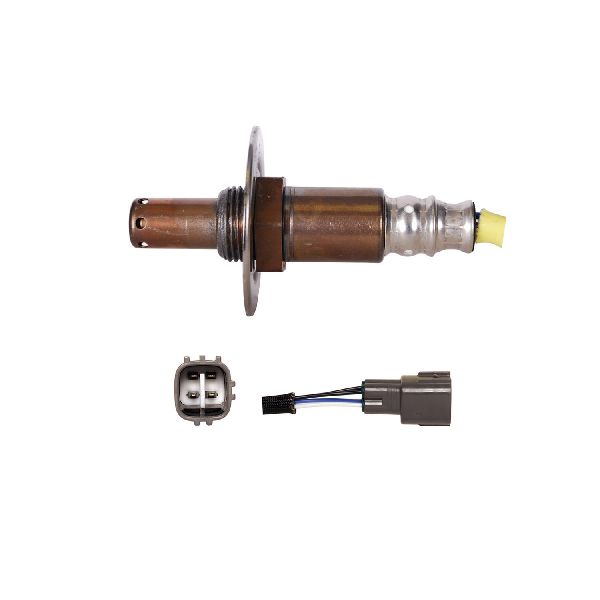
- Tier 1 (OEM Equivalent): Denso, NGK/NTK. These brands are often the original equipment suppliers for Subaru. Choosing a Denso or NGK sensor is the closest you can get to the original part's quality and reliability, ensuring a "First Time Fit".
- Tier 2 (High-Quality Aftermarket): Bosch. Bosch is a well-respected manufacturer of oxygen sensors and produces high-quality parts. While they are a strong choice, some Subaru owners prefer to stick with Denso or NGK to guarantee perfect compatibility.
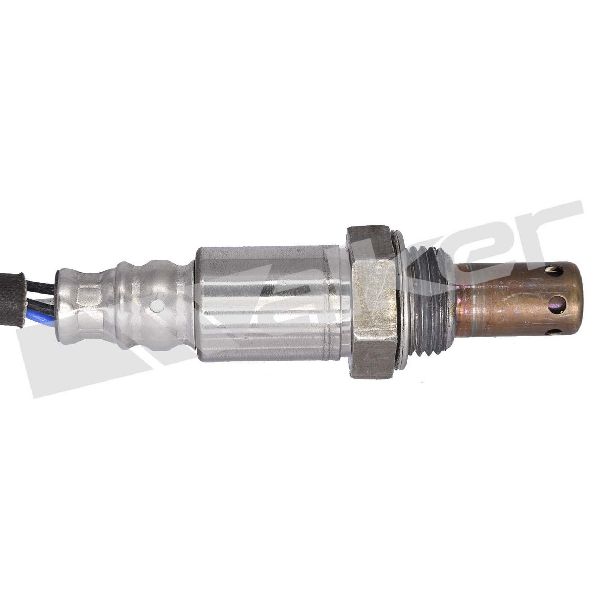
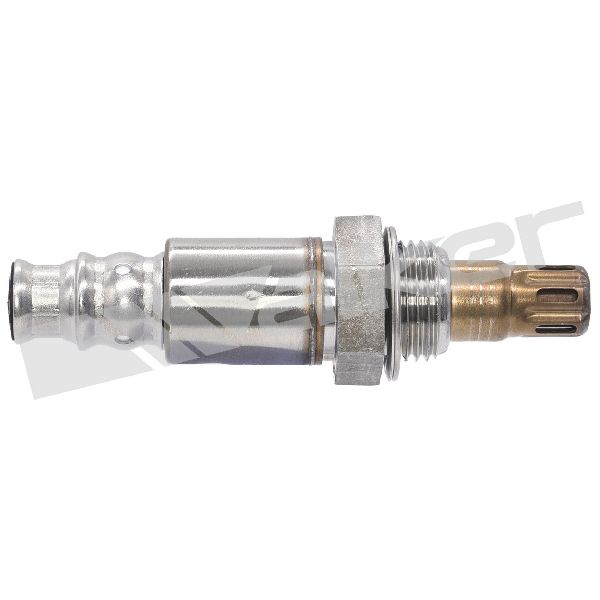
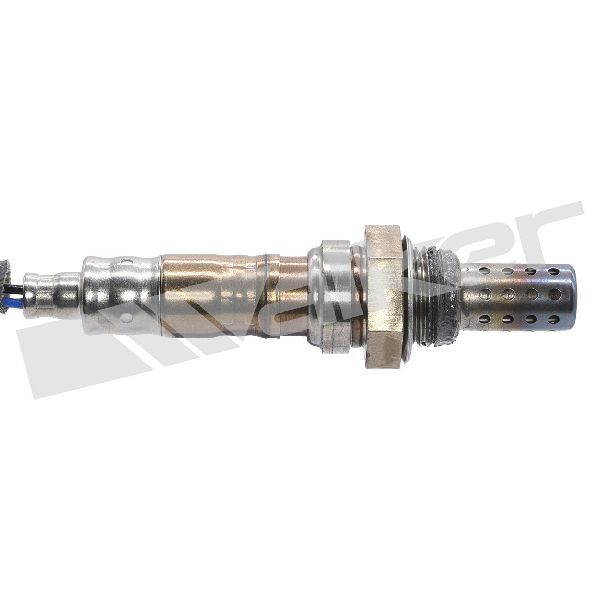
- Tier 3 (Economy): DriveWire, Walker Products. These brands provide a more budget-friendly option. While they can work, they may not have the same longevity or precise calibration as OEM-equivalent brands. Some users have reported issues with cheaper, non-OEM sensors on Subarus. 🎬 See a comparison between OEM and budget aftermarket oxygen sensors.
Known Issues, Recalls, and TSBs
As of early 2024, a recall (NHTSA ID: 24V-227) was issued for 2020-2022 Subaru Legacy and Outback models concerning the Occupant Detection System (ODS) sensor, which is related to the passenger airbag, not the engine's oxygen sensors. There are no widespread recalls or Technical Service Bulletins (TSBs) specifically for engine oxygen sensors on the 2016-2024 Legacy. However, problems with the sensor's internal heater circuit (leading to codes like P0030) are a common failure point for many vehicles.
| Item | Estimated Cost |
|---|---|
| New OEM Oxygen Sensor | $130 - $340 per sensor |
| New Aftermarket Oxygen Sensor | $39 - $227 per sensor |
| Shop Labor | $100 - $200 per sensor |
Frequently Asked Questions

How many oxygen sensors does my 2016-2024 Legacy have?
Models with the 2.5L 4-cylinder engine have two oxygen sensors: one upstream (front) and one downstream (rear). Models with the 3.6L 6-cylinder engine (discontinued after 2019) have four sensors: two upstream and two downstream, one for each cylinder bank.
What is the difference between an upstream and downstream sensor?
The upstream sensor (also called an Air/Fuel Ratio Sensor) is located before the catalytic converter and is the primary sensor used by the engine computer to make real-time adjustments to the fuel mixture. The downstream sensor is located after the catalytic converter and its main job is to monitor the converter's efficiency. A problem with the upstream sensor is more likely to affect fuel economy and engine performance.
Can I replace just one oxygen sensor?
Yes, you can replace only the sensor that has failed. However, oxygen sensors wear out over time and have a similar lifespan, which is often around 100,000 miles. If your vehicle has high mileage, it may be a good idea to replace them in pairs (both upstream or both downstream on a 6-cylinder) or all at once to prevent future failures.
Can I clean an oxygen sensor?
While some people attempt to clean O2 sensors, it is generally not recommended. The sensing elements are delicate, and contamination from things like coolant or oil often causes internal failure that cleaning cannot fix. Replacement is the only reliable solution for a failed sensor.
Helpful Videos


Technical Specifications
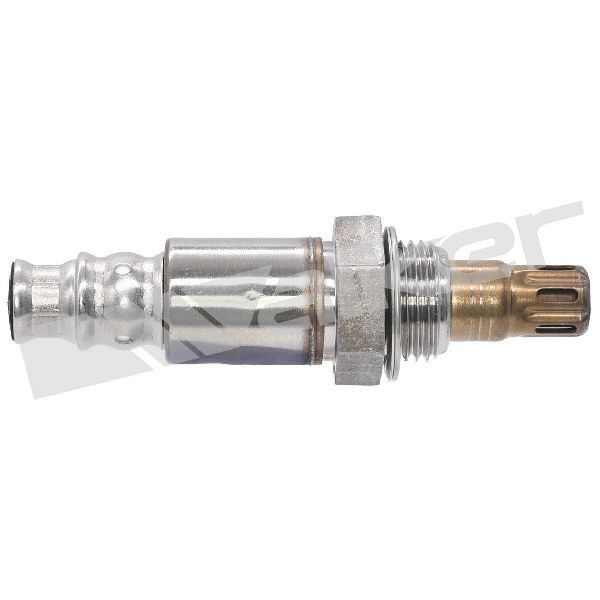
OEM Part Numbers: 22690AA96A 22641AA71A 22690AB06A 22641AA73A 22690AB02A 22641AA68A
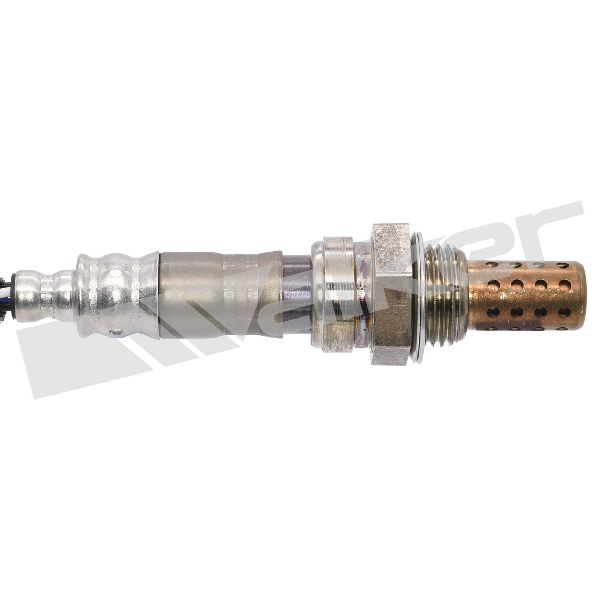
Your Legacy uses heated oxygen sensors (HO2S) and, for the upstream position, an Air/Fuel Ratio (A/F) sensor. The number of sensors depends on the engine: two for the 2.5L H4 (one upstream, one downstream) and four for the 3.6L H6 (two upstream, two downstream). A special 22mm (or 7/8 inch) oxygen sensor socket is recommended for removal.
We Have This Part in Stock

The information in this article is provided for general reference and educational purposes only. Vehicle specifications, procedures, and part compatibility can vary by production date, trim level, and region. Always consult your vehicle's factory service manual and verify part numbers before purchasing or performing repairs. Safety-critical components such as airbags, seat belts, and braking systems should be installed by a qualified professional.
- Subaru Legacy: