

A Guide to Disc Brake Pad Sets for the 2017-2020 Toyota 86
Choosing the right brake pads is crucial for getting the most out of your 86's handling and performance.
- Match your brake pads to your driving style; a daily driver has different needs than a track car.
- There is always a trade-off: pads with high stopping power are often noisy and dusty.
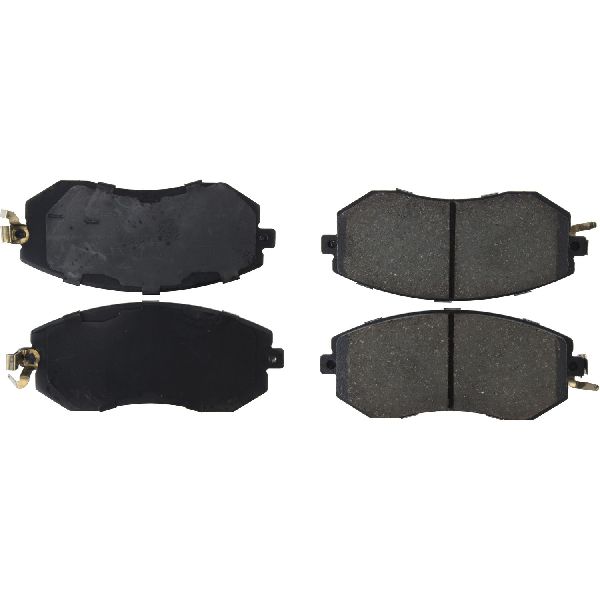
- For daily driving, StopTech Street pads are a highly-regarded, budget-friendly upgrade over stock.
- If you track your car, use dedicated track pads and swap them out for street use to ensure safety and comfort.
Signs Your Brake Pads Are Failing
Worn brake pads can be dangerous. They reduce your car's ability to stop quickly. Look out for these common symptoms:
- Squealing or Screeching Noises: A high-pitched sound when you apply the brakes is often the first sign. This is caused by a small metal indicator built into the pad to warn you it's time for a replacement.
- Grinding Sounds: If you hear a deep, metallic grinding, it means the pad material is completely gone. This is a serious issue where the metal backing plate of the pad is grinding against the rotor, causing severe damage. Stop driving immediately.
- Longer Stopping Distances: If you notice it takes more time and distance to stop, your pads are likely worn and can't create enough friction.
- Spongy or Soft Brake Pedal: A brake pedal that feels less responsive or goes closer to the floor can indicate problems with the pads or the hydraulic system.
- Vibration When Braking: A pulsing or vibrating feeling in the pedal or steering wheel can be caused by unevenly worn pads or warped rotors.
Choosing the Right Aftermarket Brake Pads
The best brake pad for your Toyota 86 depends entirely on how you drive. The original OEM pads are a good starting point for daily driving, but the aftermarket offers a wide range of options for improved performance, lower dust, or longer life. There is always a trade-off between stopping power, noise, and dust.
Tier 1: Daily Driver & OEM-Style Replacements
These pads are for owners who primarily use their 86 for commuting and want a quiet, clean, and reliable experience similar to or slightly better than stock. They offer good initial bite without needing to be warmed up.
- StopTech Street: Highly recommended across owner forums as a top choice for daily driving. They offer a good increase in initial bite over stock pads for a very reasonable price.
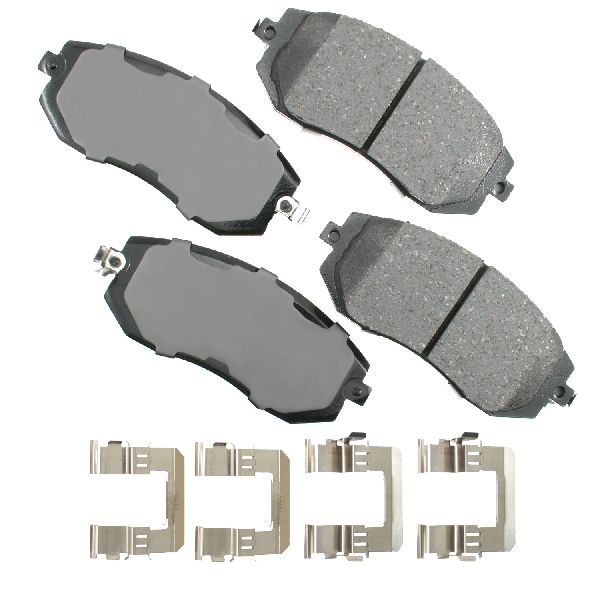
- Akebono Pro-ACT & Wagner OEX: These brands are well-known for producing high-quality, quiet ceramic pads that are very low-dusting, keeping your wheels cleaner.
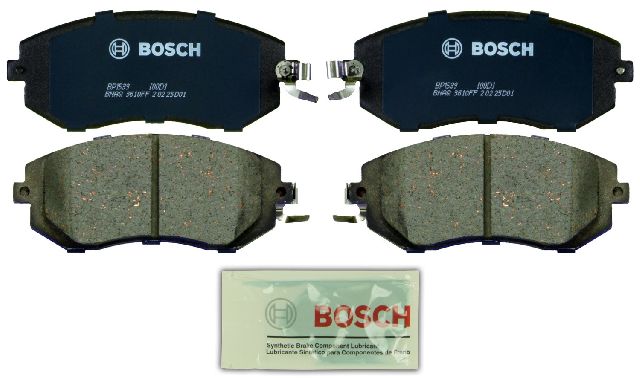
- Bosch QuietCast: Another excellent choice for a quiet, low-dust pad that meets OEM specifications.
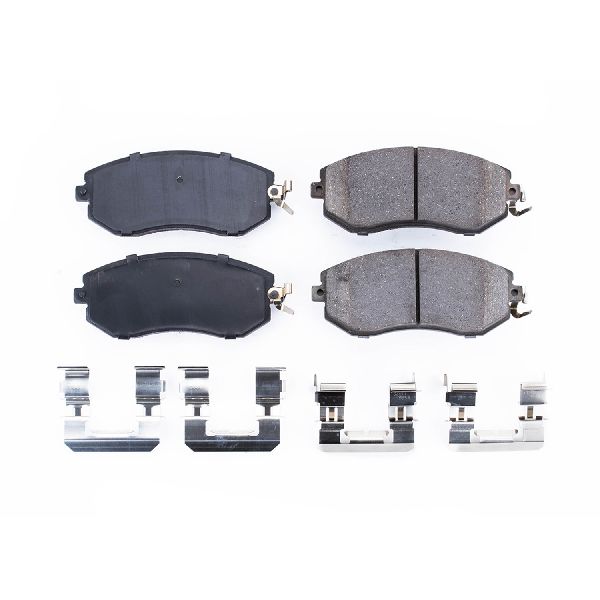
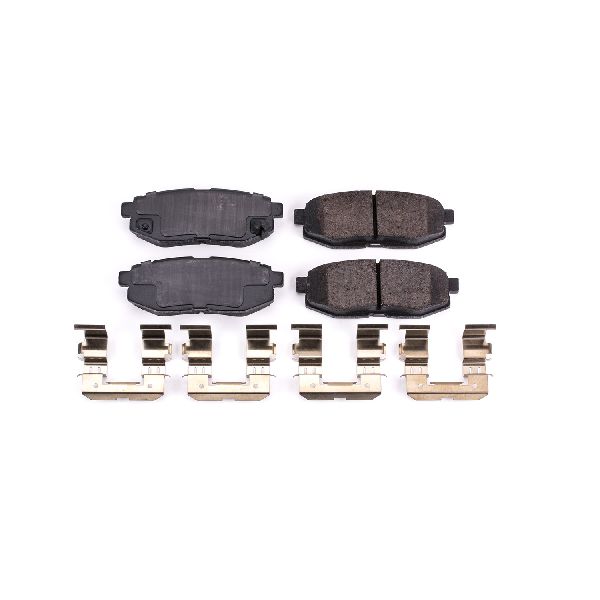
- Powerstop Z23: A carbon-fiber ceramic pad designed for low noise and dust, making it a solid choice for daily use.
Tier 2: Performance Street & Spirited Driving
If you enjoy spirited canyon drives or an occasional autocross event, you'll want a pad that can handle more heat and offers stronger stopping power. Be prepared for more brake dust and a higher chance of occasional noise.
- Hawk Performance HPS: A classic choice for a street performance pad, offering a noticeable improvement in braking torque over stock.
- EBC Brakes Yellowstuff: A popular pad that works well for aggressive street driving and can handle light track use, though it bites harder when hot.
- Ferodo DS2500: Often cited as one of the best dual-purpose pads, it provides excellent performance for spirited driving and can handle some track time.
- StopTech Sport: The next step up from the StopTech Street pads, designed for drivers who want more aggressive braking for performance driving situations.
Tier 3: Autocross & Track-Focused
These pads are designed for the extreme heat and repeated abuse of a racetrack. They are not recommended for street use. They can be very loud, create a lot of dust, and often have poor stopping power when cold, which can be dangerous in daily driving.
- Hawk Performance HP Plus / DTC-30: Known for incredible stopping power but also for being very loud and dusty on the street.
- Powerstop Trackday: A pad specifically designed for track use that has received positive feedback for its durability and performance in owner forums.
- Brembo / Pagid / Performance Friction: These brands offer various high-performance and racing compounds intended for serious track enthusiasts.
Known Issues & Recalls
No recalls or Technical Service Bulletins (TSBs) have been issued by Toyota or the NHTSA specifically for the disc brake pads on the 2017-2020 Toyota 86. However, some owners have reported issues with sticking or seized brake calipers, particularly after track use or if the car sits for extended periods. A stuck caliper can cause rapid and uneven brake pad wear on one wheel. During replacement, it is good practice to clean and lubricate the caliper slide pins to ensure proper movement.
| Category | Price Range |
|---|---|
| Aftermarket Daily Driver Pads | $25 - $75 |
| Aftermarket Performance Street Pads | $80 - $180 |
| Aftermarket Track-Focused Pads | $150 - $310+ |
| OEM Toyota Pads | $70 - $100 |
Frequently Asked Questions
What's the difference between ceramic and semi-metallic pads?
Ceramic pads are generally quieter, produce less dust, and are gentler on brake rotors. They are ideal for daily driving. Semi-metallic pads contain metal fibers that help dissipate heat and provide more aggressive stopping power. They are better for performance driving but are typically louder and dustier.
Do I need to replace my rotors when I replace my pads?
Not always, but it's highly recommended. New pads perform best on a fresh, flat rotor surface. If your current rotors are thin, grooved, or warped (causing vibration), they must be replaced. At a minimum, the rotors should be resurfaced if they are still within thickness specifications.
What is brake pad "bed-in" and why is it important?
Bedding-in is a process of controlled heat cycles that deposits an even layer of friction material from the new pad onto the rotor. This ensures smooth, powerful, and quiet braking. Failing to properly bed-in new pads can lead to vibration and reduced performance. Always follow the manufacturer's specific bed-in procedure for your new pads.
Why are my new performance pads so noisy?
High-performance and track-focused pads are made from aggressive compounds designed to work at very high temperatures. This often results in squealing or scraping noises at low speeds when the brakes are cold. This is a normal characteristic and a common trade-off for superior stopping power at speed.
Technical Specifications
No vehicle-specific recalls or TSBs were found for disc brake pads on the 2017-2020 Toyota 86. The braking system is shared with the Subaru BRZ of the same years. The replacement procedure is considered straightforward for DIY mechanics.
We Have This Part in Stock


The information in this article is provided for general reference and educational purposes only. Vehicle specifications, procedures, and part compatibility can vary by production date, trim level, and region. Always consult your vehicle's factory service manual and verify part numbers before purchasing or performing repairs. Safety-critical components such as airbags, seat belts, and braking systems should be installed by a qualified professional.
- Toyota 86: