

Ford Explorer Fuel Pressure Sensor: A Guide for 2017-2021 Owners
If your Explorer is stalling, hesitating, or has a check engine light on, the fuel pressure sensor could be the problem.
- Check for open recalls first, especially the low-pressure fuel pump recall on 2021+ models, as symptoms are similar.
- A low fuel pressure code (P0087) doesn't always mean the sensor is bad; it can also be caused by a failing fuel pump.
- Replacement is often labor-intensive, requiring removal of the intake manifold, so using a high-quality part is recommended.
- Symptoms include poor acceleration, stalling, and a check engine light.
Is Your Fuel Pressure Sensor Failing?

A bad fuel pressure sensor can cause a variety of frustrating problems. Because it provides vital information to your Explorer's computer, a faulty sensor can make the engine run poorly. You might notice one or more of these signs.
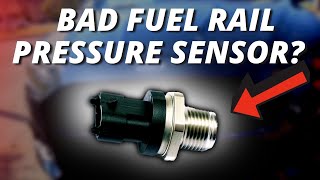
🎬 See a detailed breakdown of bad fuel pressure sensor symptoms.Common Symptoms of Failure:
- Check Engine Light: This is often the first sign. You may see codes like P0087 (Fuel Rail Pressure Too Low) or P0190-P0193 (Fuel Rail Pressure Sensor Circuit Malfunction).
- Difficulty Starting: The engine may take longer than usual to start, or it might not start at all.
- Rough Idling or Stalling: The engine may run rough, shake, or stall unexpectedly, especially when stopped.
- Poor Acceleration: You might feel a hesitation or lack of power when you press the gas pedal.
- Worse Fuel Economy: If the computer gets an incorrect reading, it may send too much fuel, causing you to fill up more often.
Important Recalls and Known Issues
Before replacing the sensor, be aware of two major Ford actions for this generation of Explorer:
- 2018 Sensor Recall (18S35): A small number of 2018 Explorers with 2.3L or 3.5L GTDI engines were recalled for a fuel pressure sensor that could leak fuel due to incorrect threads, increasing fire risk. The fix was a full fuel line assembly replacement.
- 2021+ Low-Pressure Fuel Pump Recall: A widespread recall was issued for the in-tank low-pressure fuel pump on 2021-2023 Explorers. A failing pump can cause stalling and may trigger a low fuel pressure code (P0087), which can be mistaken for a bad sensor. 🎬 Watch: Understanding Ford's stalling issues and P0087 diagnostic codes.
Choosing the Right Aftermarket Sensor

When your sensor fails, you have options beyond the expensive dealership part. Aftermarket brands provide quality replacements at a better price. However, not all are created equal, especially for a part that requires significant labor to replace.
| Brand Tier | Brands | Quality & Performance |
|---|---|---|
| Premium Aftermarket | Standard Ignition (SMP) | Often considered equivalent to OEM quality. Standard Ignition is a trusted name used by many professional mechanics and is known for its reliable electronics. A solid choice if you want top-tier quality without the OEM price tag. |
| Quality Aftermarket | Dorman | Dorman is a well-known brand that engineers parts to be reliable replacements. They offer a good balance of quality and value, making them a popular choice for DIYers and independent shops. |
| Budget-Friendly | Global Parts | These brands offer the most savings. They can be a good option for a tight budget, but given the labor involved in this specific repair, investing in a premium or quality brand is often recommended to avoid doing the job twice. |
Pro Tip: Consider the Labor
The fuel pressure sensor on many Explorer engines is located under the intake manifold, making replacement a 2-3 hour job. Because of the high labor cost, saving a few dollars on a budget sensor might not be worth the risk if it fails prematurely. We recommend using a high-quality part from a brand like Standard Ignition or the OEM Motorcraft part.
How Much Does Replacement Cost?
The total cost depends on whether you do it yourself or use a shop. The part itself is affordable, but labor can be significant.
| Cost Type | Estimated Price Range |
|---|---|
| New OEM (Motorcraft) Part | $60 - $135 |
| New Aftermarket Part | $42 - $120 |
| Shop Labor | $180 - $450 |
| Total Professional Replacement | $222 - $585 |
Frequently Asked Questions (FAQ)

Where is the fuel pressure sensor located on a 2017-2021 Explorer?
The high-pressure fuel sensor is located on the engine's fuel rail. For many engines in the Explorer, particularly the 3.5L EcoBoost, this means it is buried under the upper intake manifold, making it difficult to access.
Can I replace the fuel pressure sensor myself?
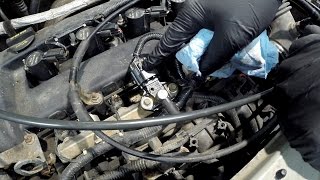
If the sensor is easily accessible on your specific engine, it's a simple DIY job. However, if it's under the intake manifold, it becomes a moderate-to-difficult task requiring several hours and experience with more involved repairs. You will need to disconnect fuel lines, relieve fuel pressure, and remove the manifold.
🎬 Watch this step-by-step guide to replacing the fuel rail sensor.What happens if I don't replace a bad fuel pressure sensor?
You will continue to experience poor engine performance, bad fuel mileage, and hard starting. The most serious risk is unexpected stalling while driving, which can be dangerous. Ignoring it can also lead to other problems, as the engine may run too lean (not enough fuel), which can cause damage over time.
Should I buy an OEM or Aftermarket sensor?
For this repair, due to the labor involved, a high-quality part is essential. An OEM Motorcraft sensor is a guaranteed fit and quality. A premium aftermarket brand like Standard Ignition is an excellent alternative that often meets or exceeds OEM specs for less money. A value brand like Dorman is also a reliable choice.
Helpful Videos

Technical Specifications
OEM Part Numbers: BU5Z9F972B BU5Z9F972A EJ7Z9F972A AA5Z9F972A
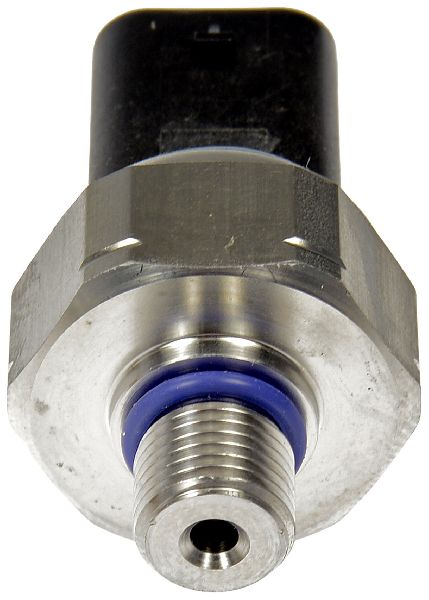
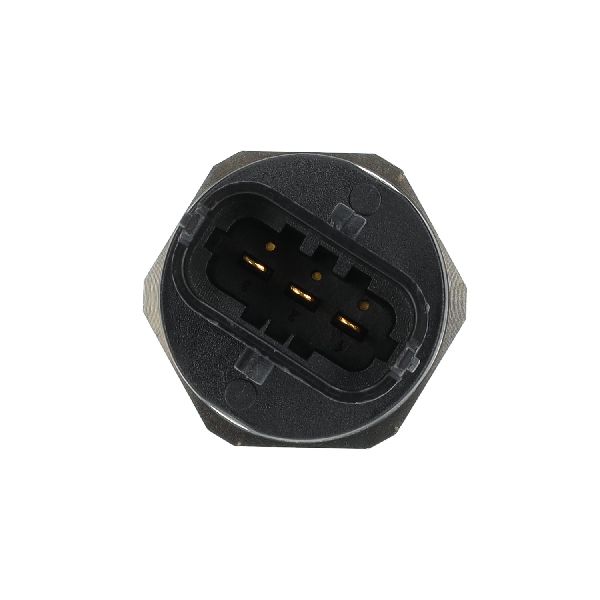
The fuel pressure sensor for the 2017-2021 Ford Explorer is specific to the engine (2.3L EcoBoost, 3.5L EcoBoost, 3.5L Ti-VCT). It is typically a 3-pin sensor that mounts directly to the high-pressure fuel rail.
We Have This Part in Stock


The information in this article is provided for general reference and educational purposes only. Vehicle specifications, procedures, and part compatibility can vary by production date, trim level, and region. Always consult your vehicle's factory service manual and verify part numbers before purchasing or performing repairs. Safety-critical components such as airbags, seat belts, and braking systems should be installed by a qualified professional.
- Ford Explorer: