

A Guide to Replacing the Radiator on Your 2017-2022 Honda Pilot
Keep your Pilot's V6 engine cool by understanding radiator failure symptoms and replacement options.
- Radiator failure is common due to cracks in the plastic end tanks; inspect this area for white or colored crusty residue indicating a leak.
- Driving with an overheating engine can cause severe, expensive damage; it is not recommended to drive with a known significant leak.
- Always use Honda's blue Type 2 coolant to prevent corrosion and ensure system longevity.
- When replacing the radiator, it is cost-effective to also replace the radiator hoses, thermostat, and radiator cap at the same time.
Is Your Honda Pilot Radiator Failing?
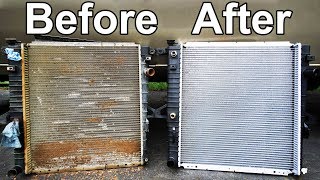
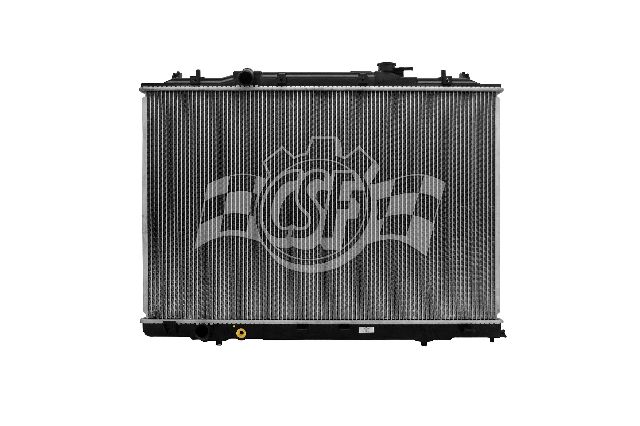
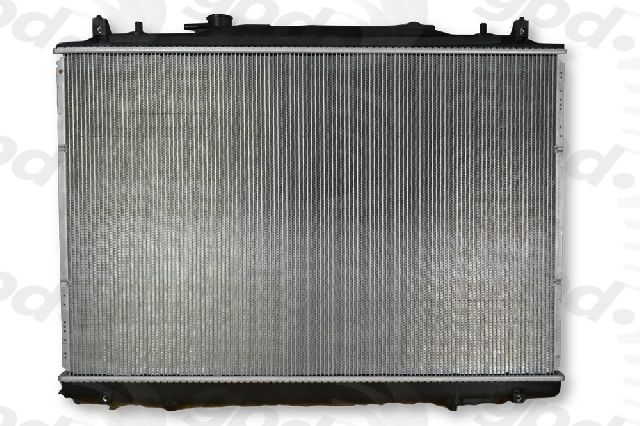
The radiator in your 2017-2022 Honda Pilot is a combination of plastic and aluminum. The core is aluminum to transfer heat, and the tanks on the top and bottom (or sides) are plastic. Over time, the plastic can become brittle from constantly heating up and cooling down, leading to cracks and leaks. This is the most common reason for radiator failure on modern vehicles, including the Pilot.
Symptoms of a Bad Radiator
- Engine Overheating: The most serious sign. If the temperature gauge on your dashboard enters the red zone or a warning light comes on, pull over safely and turn off the engine as soon as possible to prevent damage.
- Visible Coolant Leaks: Finding a puddle of bright blue fluid under the front of your Pilot is a sure sign of a leak. 🎬 Watch: See what a large radiator leak looks like on a Pilot. While Honda's official coolant is blue, a previous owner might have used a different color like green or pink. Leaks often happen where the plastic tanks meet the aluminum core.
- Low Coolant Level: You might get a warning on your dash, or you may notice the coolant level in the clear plastic overflow tank is low. If you have to add coolant often, there is a leak somewhere in the system.
- Sweet Smell: Antifreeze has a distinct sweet smell. If you notice this smell inside or outside your Pilot, it's a sign that coolant is leaking and burning off on a hot surface.
- Discolored or Gummy Coolant: The coolant should be a clean, translucent blue. If it looks rusty, brown, or has sludge in it, it means there is corrosion inside the cooling system which can clog the radiator.
Transmission Overheating Warning
The automatic transmission fluid in your Pilot is also cooled by a section inside the radiator. A 'Transmission Hot' warning on your dash could be related to a poorly functioning radiator, although other causes are possible. This highlights the importance of a fully functional cooling system.
OEM vs. Aftermarket Radiators
When replacing your radiator, you have a choice between an Original Equipment Manufacturer (OEM) part from Honda or an aftermarket part from another company.
- OEM (Honda): This is the exact same part your Pilot was built with. It guarantees a perfect fit and quality, but it is the most expensive option.
- Aftermarket: These parts are made by other companies to fit your vehicle. Quality can range from excellent to poor. They are almost always more affordable than OEM. For a common vehicle like the Pilot, fitment is usually good with reputable aftermarket brands.
Aftermarket Brand Tiers for Your Pilot
The brands available for your Pilot fall into different quality and price levels. Your budget and how long you plan to keep the vehicle can help you decide.
- Premium Aftermarket (e.g., CSF Radiator): Brands like CSF often aim to meet or exceed OEM quality. Some reviews note their parts are well-built, sometimes with improvements like thicker cores or all-aluminum construction instead of plastic tanks. However, like any brand, occasional quality control issues have been reported in forums.
- Standard Aftermarket (e.g., Global Parts, One Stop Solutions): These brands are designed to be affordable, direct replacements. They will work and fit like the original, offering a good balance of price and function for daily driving. They typically use the same plastic tank and aluminum core design as the original.
While You're In There...
Replacing the radiator requires draining the entire cooling system. This is the perfect time to replace other inexpensive parts that can cause major headaches if they fail later. Ask your mechanic (or do it yourself) to replace the upper and lower radiator hoses, the thermostat, and the radiator cap.
Cost to Replace a 2017-2022 Honda Pilot Radiator
The total cost depends on whether you do the job yourself or hire a professional mechanic. Shop labor rates can vary greatly by location.
| Part/Service | Estimated Cost |
|---|---|
| New OEM Honda Radiator (Part Only) | $300 - $425 |
| New Aftermarket Radiator (Part Only) | $172 - $210 |
| Shop Labor | $366 - $537 |
| Total Professional Replacement (Aftermarket Part) | $538 - $747 |
| Total Professional Replacement (OEM Part) | $666 - $962 |
Frequently Asked Questions (FAQ)
Are there any recalls on the 2017-2022 Pilot radiator?
No. As of early 2026, there are no specific NHTSA safety recalls for the radiator assembly on the 2017-2022 Honda Pilot. Failures are typically due to age, mileage, and wear-and-tear rather than a manufacturing defect.
Can I drive my Pilot if the radiator is leaking?
It is not recommended. A small leak can quickly become a large one, leading to rapid coolant loss and engine overheating. Driving an overheating engine can cause catastrophic damage, like a warped cylinder head or complete engine failure, which is far more expensive to repair than a radiator.
What kind of coolant does the Honda Pilot use?
The 2017-2022 Honda Pilot requires Honda Long Life Antifreeze/Coolant Type 2. This is a blue-colored coolant. It is highly recommended to use this specific type to prevent corrosion and ensure compatibility with all the materials in the cooling system.
Is replacing the radiator a DIY job?
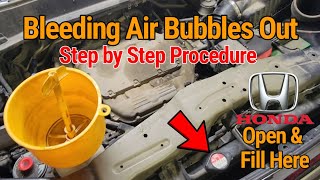
For a person with moderate mechanical skill and the right tools, yes. The process involves draining the coolant, disconnecting hoses and electrical fan connectors, removing the fan shroud, unbolting the radiator, and then reversing the process. 🎬 Watch: This complete guide shows you how to replace a radiator. It's important to properly refill and bleed the air out of the cooling system afterward to avoid air pockets that can cause overheating.
🎬 Watch: An easy way to purge air bubbles from your coolant.Helpful Videos
Technical Specifications
OEM Part Numbers: 19010-5J6-A01
Core Height: 30 1/8 in. Core Width: 19 5/8 in. Core Thickness: Approx. 1 in. Inlet/Outlet Location: Varies by specific model/trim. Construction: Aluminum Core with Plastic Tanks.
We Have This Part in Stock


The information in this article is provided for general reference and educational purposes only. Vehicle specifications, procedures, and part compatibility can vary by production date, trim level, and region. Always consult your vehicle's factory service manual and verify part numbers before purchasing or performing repairs. Safety-critical components such as airbags, seat belts, and braking systems should be installed by a qualified professional.
- Honda Pilot:
- 🎬 Helpful Videos
- 🛍️ Shop This Part
- Is Your Honda Pilot Radiator Failing?
- Symptoms of a Bad Radiator
- Transmission Overheating Warning
- OEM vs. Aftermarket Radiators
- Aftermarket Brand Tiers for Your Pilot
- While You're In There...
- Cost to Replace a 2017-2022 Honda Pilot Radiator
- Frequently Asked Questions (FAQ)
- 🎟️ Get 5% Off