

Audi R8 Oxygen Sensor Guide: 2017-2023 Models
Understanding oxygen sensor issues in your V10 R8 and choosing the right replacement part.
- A check engine light is the most common sign of failure; always scan for codes to identify the specific faulty sensor.
- Bosch and NGK are excellent aftermarket choices that are often OEM suppliers for Audi, providing similar quality to dealer parts.
- Before replacing a sensor, check for Technical Service Bulletins (TSBs) related to your fault code, as a software update may be the fix for some issues.
- Replacement is complex on the R8 due to the mid-engine layout; what would be a simple job on other cars requires significant disassembly to access the sensors.
Symptoms of a Failing Oxygen Sensor
A bad oxygen sensor can cause several noticeable problems with your R8. The most common sign is the check engine light illuminating on your dashboard. You might also experience reduced fuel economy, a rough or unstable idle, engine hesitation, or a general loss of power. In some cases, you may smell a 'rotten egg' odor from the exhaust, which indicates an incorrect air-fuel mixture is overwhelming the catalytic converter. An emissions test failure is another sure sign of a potential oxygen sensor problem.
Choosing the Right Aftermarket Oxygen Sensor
When replacing an oxygen sensor, you have a choice between OEM (Original Equipment Manufacturer) and aftermarket parts. For a high-performance vehicle like the R8, part quality is crucial. However, many aftermarket brands are the actual OEM suppliers, offering the same quality without the dealership price tag.
Brand Quality Tiers for Audi R8
| Tier | Brands | Description |
|---|---|---|
| Top Tier / OEM Equivalent | Bosch, NGK (NTK), Denso | Bosch is a very common OEM supplier for German vehicles like Audi and is often considered a direct replacement. NGK (under their NTK sensor brand) and Denso are also world-renowned for their quality and are trusted OE suppliers. Choosing from this tier is the safest bet for performance and longevity. |
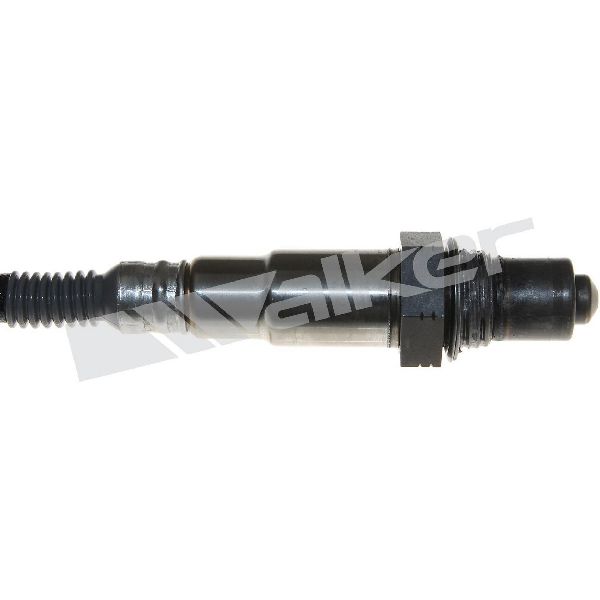
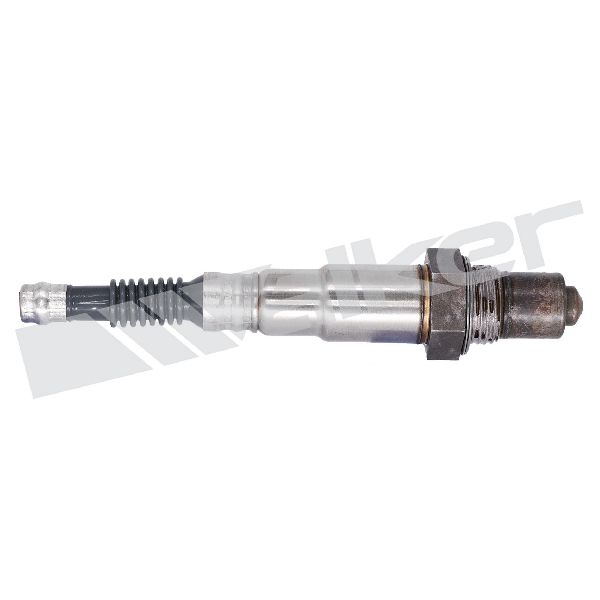
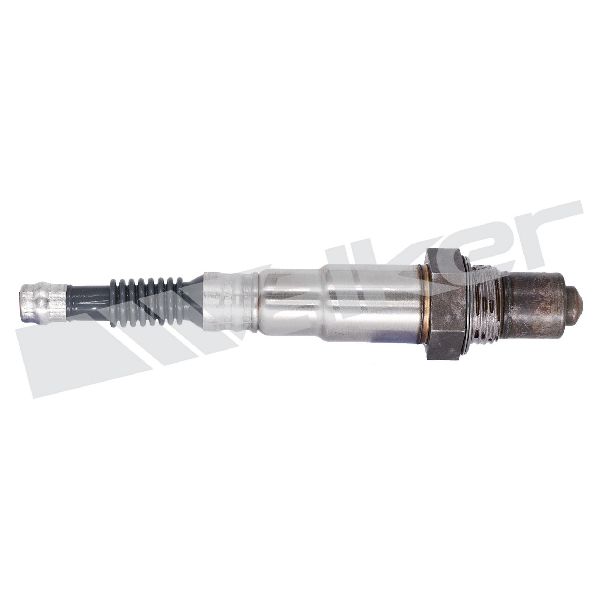
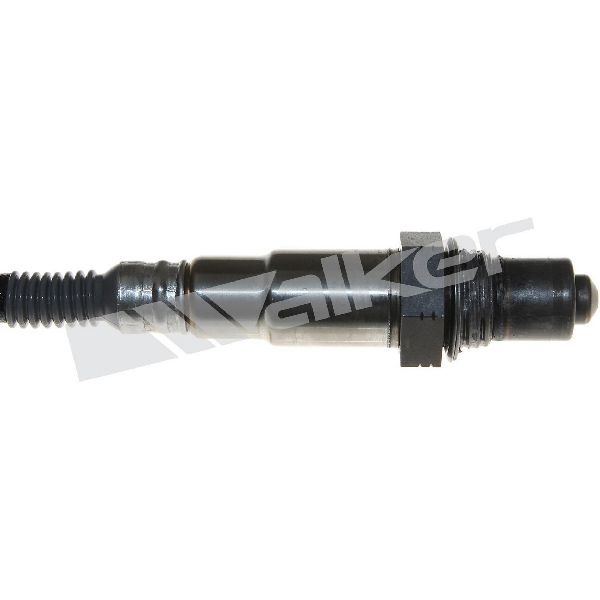
| Standard Aftermarket | Walker Products, DriveWire | These brands provide a more budget-friendly option. They are designed to meet standard replacement needs and can be a good value, though they may not be built to the same exact specifications as the original OEM parts. |
Known Issues: TSBs & Recalls
There are no safety recalls for oxygen sensors on the 2017-2023 Audi R8. However, Audi has issued Technical Service Bulletins (TSBs) that mechanics use to diagnose common problems. Before replacing a sensor, be aware of these issues:
- TSB 2046611/5: If you have a check engine light with codes P209600 or P209800 (Post Catalyst Fuel Trim Too Lean), the issue may be a contaminated rear (downstream) oxygen sensor. The bulletin advises replacing only the affected rear sensor and specifically states not to replace the front sensor for this fault.
- TSB 2044668/1 & 2066257/2: On very low-mileage cars (under 5,000 miles), codes like P013E00, P014A00, or others related to 'delayed response' may appear. This can be caused by the catalytic converter's normal break-in period or a simple software issue. In these cases, the fix is often to clear the code or perform a software update, not replace the sensor.
Frequently Asked Questions (FAQ)
How many oxygen sensors does the 2017-2023 Audi R8 have?
The 5.2L V10 engine in the Audi R8 typically has four oxygen sensors: two upstream (before the catalytic converters) and two downstream (after the catalytic converters). There is one of each for each bank of the V-engine.
What is the difference between upstream and downstream sensors?
Upstream sensors (also called air-fuel ratio sensors) are located in the exhaust manifold before the catalytic converter. They provide fast feedback to the ECU to make real-time adjustments to the air-fuel mixture. Downstream sensors are located after the catalytic converter and are used to monitor the converter's efficiency. They are not interchangeable, and you must order the correct one for the specific location and bank.
Can I replace just one oxygen sensor?
Yes. You only need to replace the sensor that has failed. A mechanic can use a diagnostic tool to read the specific trouble code, which will identify which sensor (e.g., Bank 1, Sensor 2) needs replacement. However, sensors age at a similar rate, so if you have a high-mileage vehicle, it's not uncommon for another sensor to fail in the near future.
Is it difficult to replace an R8 oxygen sensor myself?
For the Audi R8, this is not a simple job for a beginner. Due to the mid-engine layout, accessing the sensors requires removing several trim panels and heat shields in the engine bay. While the sensor itself unscrews with a special 22mm socket, reaching it is the main challenge. It is a feasible DIY for an experienced mechanic, but novices should consider professional installation.
Technical Specifications
OEM Part Numbers: 4S0906262H 4S0-906-262-F
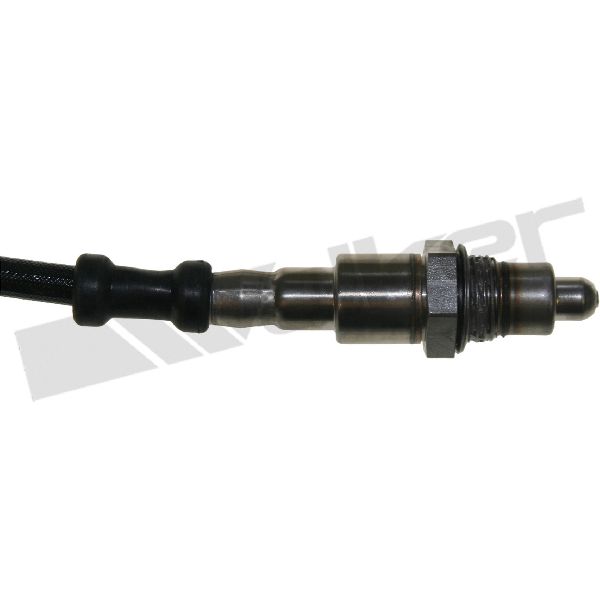
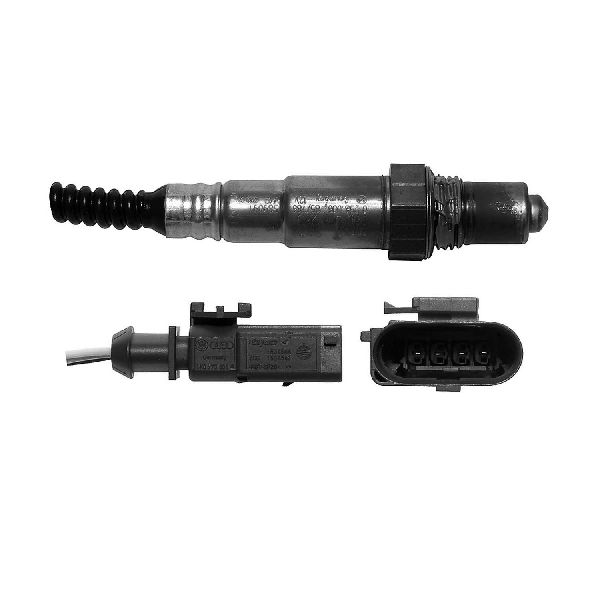
The Audi R8 V10 uses four-wire heated oxygen sensors. They have a thread size of M18x1.5 and require a 22mm wrench or specialized oxygen sensor socket for removal. There are distinct upstream (air-fuel ratio) and downstream (monitoring) sensors which are not interchangeable.
We Have This Part in Stock

The information in this article is provided for general reference and educational purposes only. Vehicle specifications, procedures, and part compatibility can vary by production date, trim level, and region. Always consult your vehicle's factory service manual and verify part numbers before purchasing or performing repairs. Safety-critical components such as airbags, seat belts, and braking systems should be installed by a qualified professional.
- Audi R8: