

Replacing the Radiator in Your 2017-2023 Audi TT Quattro
Keep your TT's turbocharged engine cool by understanding when and how to replace a failing radiator.
- Coolant leaks on the 2017-2023 TT are often caused by the plastic water pump housing, not the radiator. Always perform a pressure test to confirm the leak source.
- OEM-equivalent brands like Mahle and Nissens offer the best combination of quality, fit, and value for a standard replacement.
- Driving with an overheating engine is extremely risky and can lead to catastrophic engine failure.
- Always use the correct Audi-specified coolant (G12/G13) and replace radiator hoses at the same time for a complete repair.
Is Your Audi TT Quattro Radiator Failing?
A faulty radiator can lead to serious engine damage if ignored. For the 2017-2023 Audi TT Quattro, the cooling system is complex and vital for performance. While the radiator itself is generally reliable, it can fail from road debris impact, corrosion, or cracks in the plastic end tanks over time. More commonly, coolant leaks on this vehicle are traced to the water pump and thermostat housing, which is a known weak point made of plastic. However, any coolant leak demands immediate attention. Watch for these signs of a bad radiator:
- Engine Overheating: If the temperature gauge on your dashboard enters the red zone, pull over immediately. Driving with an overheating engine can cause catastrophic damage.
- Visible Coolant Leaks: You may see puddles of pink, yellow, or green fluid under the front of your car. A sweet smell after driving is also a tell-tale sign of a coolant leak.
- Low Coolant Warning Light: A persistent low coolant light on your dashboard, even after topping it off, indicates a leak somewhere in the system. 🎬 Watch: What to do if you see a pink coolant puddle.
- Visible Damage or Corrosion: Look at the radiator behind the grille. If you see bent fins, white crusty residue, or rust, its performance may be compromised.
Check the Water Pump First
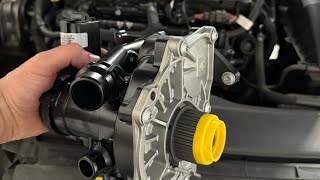
The EA888 engine in your TT is notorious for coolant leaks from the plastic water pump and thermostat assembly. Before replacing the radiator, it's critical to have a mechanic perform a cooling system pressure test to pinpoint the exact source of the leak. It is very often the water pump, not the radiator.
🎬 See this walkthrough on removing the EA888 water pump and thermostat.Choosing the Right Aftermarket Radiator
When replacing your radiator, you don't have to buy an expensive part from the dealer. Quality aftermarket brands offer excellent performance, often at a much better price. Aftermarket radiators are typically made of plastic tanks crimped onto an aluminum core, just like the original.
Brand Quality Tiers
Not all aftermarket brands are created equal. Here’s how they generally stack up for your Audi:
- Tier 1: OEM-Equivalent Brands (Mahle, Nissens, Denso): These companies are often the original equipment manufacturers (OEM) for Audi and other German brands. Choosing a brand like Mahle or Nissens gives you dealer-level quality and perfect fitment without the dealer price tag. They are highly recommended for a reliable, long-lasting repair.
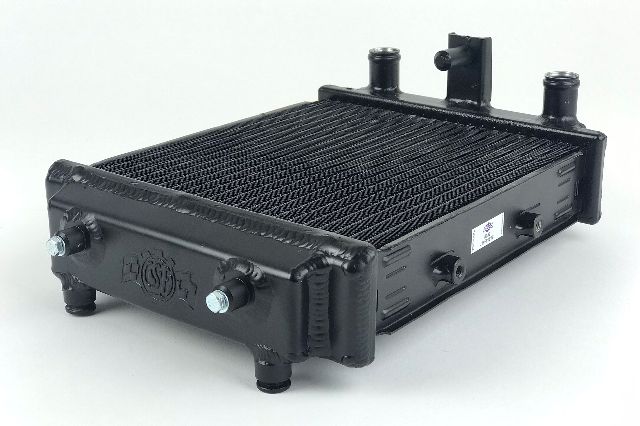
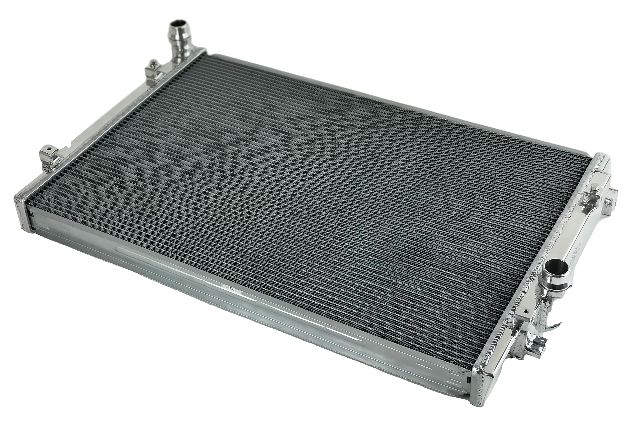
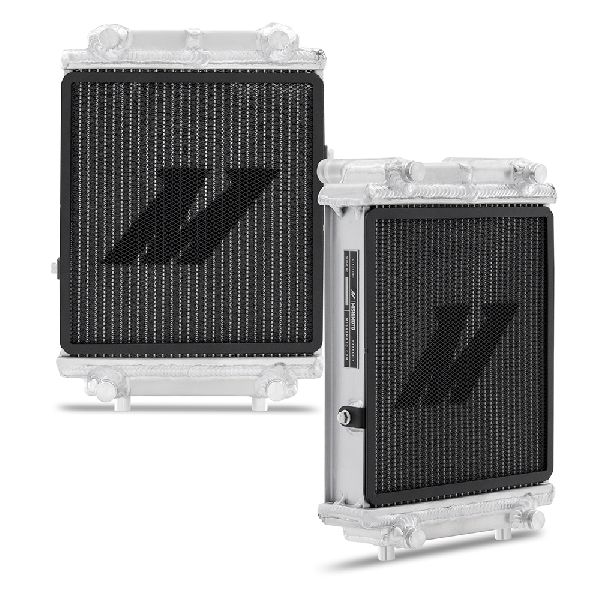
- Tier 2: Performance Brands (Mishimoto, CSF): These brands specialize in upgraded, all-aluminum radiators that offer improved cooling capacity. They are built for durability with hand-welded tanks. A performance radiator is a great choice if you have modified your TT for more power or participate in track days, but can be overkill for a daily driven car.
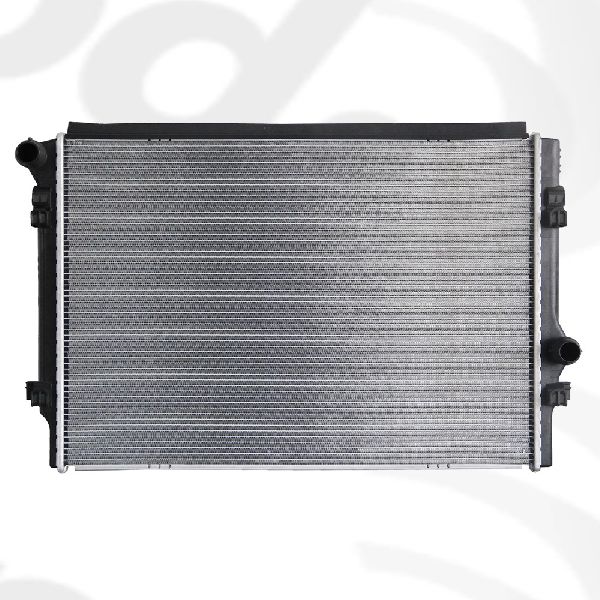
- Tier 3: Value Brands (Global Parts): These radiators are designed to be cost-effective replacements. While they meet basic fit and function requirements, their long-term durability and build quality may not match the higher-tier brands. They can be a good option for a budget-conscious repair.
Pro Tip: Inspect Before Installing
No matter which brand you choose, inspect the new radiator carefully upon arrival. Check for shipping damage, bent fins, or any issues with the hose connections before you begin the installation.
Cost of Replacing a 2017-2023 Audi TT Quattro Radiator
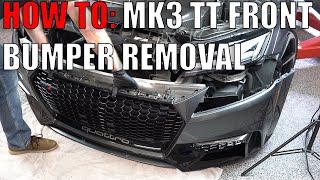
The total cost depends on the parts you choose and who does the work. Replacing the radiator on a modern Audi is a moderately difficult job that often requires removing the front bumper cover.
🎬 Watch: How to safely remove the Audi TT front bumper cover.| Part/Service | Estimated Cost |
|---|---|
| New Aftermarket Radiator | $169.83 - $671.95 |
| New OEM Radiator | $903 - $914 |
| Shop Labor | $299 - $494 |
| Total Estimated Cost (Aftermarket Part) | $469 - $1,166 |
| Total Estimated Cost (OEM Part) | $1,202 - $1,408 |
Frequently Asked Questions
Should I replace my radiator hoses at the same time?
Yes, it is highly recommended. The radiator hoses are made of rubber that degrades over time. Replacing them when you replace the radiator is a smart, preventative measure that costs very little in extra labor.
What type of coolant should I use in my Audi TT?
Your Audi requires a specific type of coolant, typically a pink or violet G12, G12++, or G13 formula. Using the wrong type or mixing colors can cause sludge and damage the cooling system. Always use the manufacturer-specified coolant.
Can I replace the radiator myself?
For most home mechanics, this is a challenging job. It often involves removing the front bumper, draining the cooling system, and disconnecting multiple lines, including those for the A/C condenser. A professional installation is recommended to ensure there are no leaks. The system will also need to be properly bled of air after refilling.
Is there a recall on the radiator for my Audi TT?
As of early 2026, there are no specific recalls for the radiator on 2017-2023 Audi TT Quattro models. There was a recall for a fuel tank bracket on 2016-2019 models, but it is unrelated to the cooling system.
Helpful Videos


Technical Specifications
OEM Part Numbers: 5Q0121251GN 5WA121251H
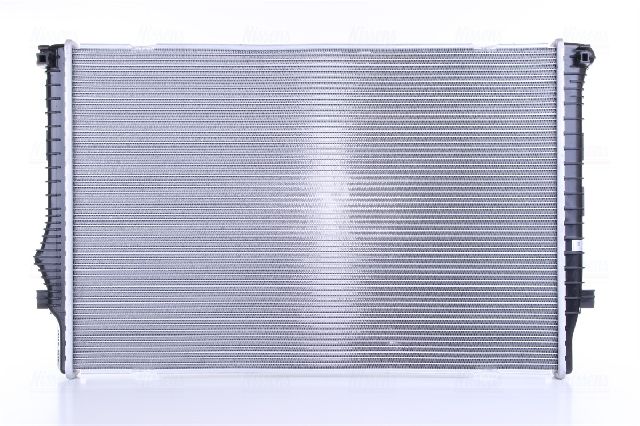
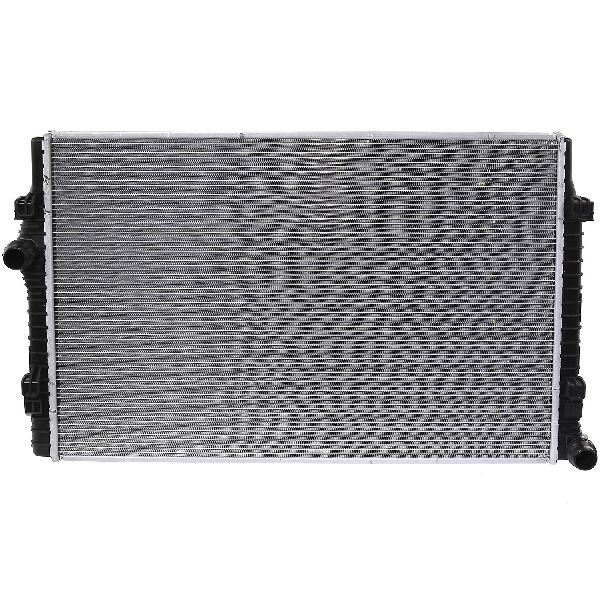
The radiator for the 2017-2023 Audi TT Quattro is a crossflow type, typically constructed with an aluminum core and plastic end tanks. It is located at the front of the vehicle, working in conjunction with the A/C condenser and intercooler. Some models may have auxiliary radiators depending on the specific trim and options.
We Have This Part in Stock

The information in this article is provided for general reference and educational purposes only. Vehicle specifications, procedures, and part compatibility can vary by production date, trim level, and region. Always consult your vehicle's factory service manual and verify part numbers before purchasing or performing repairs. Safety-critical components such as airbags, seat belts, and braking systems should be installed by a qualified professional.
- Audi TT Quattro: