

BMW 740i (2017-2023) Engine Coolant Temperature Sensor: A Complete Guide
Understanding the signs of a failing engine coolant temperature sensor in your G11/G12 BMW 740i and how to choose the right replacement.
- A failing ECT sensor can cause serious issues, including overheating, poor fuel economy, and a Check Engine Light with codes P0117 or P0118.
- Replacement is a simple, quick DIY job for many owners, as the sensor is easily accessible on the front of the B58 engine.
- For a critical sensor on your 740i, choose a Genuine BMW part or a reputable aftermarket brand like VNE to ensure accuracy and reliability.
- Do not ignore symptoms. Driving with a bad sensor can lead to reduced performance and potentially catastrophic engine damage from overheating.
Is Your BMW 740i's Engine Acting Up? It Could Be a Bad Coolant Sensor
If your 740i is experiencing strange issues like poor fuel mileage, a rough idle, or an illuminated Check Engine Light, a faulty Engine Coolant Temperature (ECT) sensor might be the culprit. This sensor provides critical data to your engine's computer, and when it fails, it can cause a wide range of problems. A failing sensor might send a constant 'cold' signal, causing the engine to run too rich, or a constant 'hot' signal, which could prevent the cooling fans from turning on when needed.
Common Symptoms of a Failing ECT Sensor
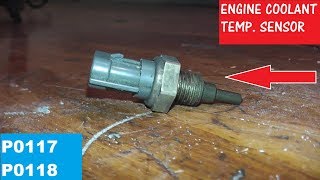
- Check Engine Light: The most common sign, often with codes P0117 or P0118. 🎬 Watch: A detailed diagnosis of P0117 and P0118 codes.
- Poor Fuel Economy: The engine may use more fuel than necessary because the computer thinks the engine is cold.
- Engine Overheating: If the sensor doesn't tell the computer the engine is hot, the radiator fans may not turn on.
- Black Smoke from Exhaust: A sign that the engine is running too rich and unburned fuel is entering the exhaust.
- Hard Starting: The engine may be difficult to start, especially when cold, due to an incorrect fuel mixture.
- Rough or Erratic Idle: Incorrect temperature data leads to improper fuel and timing adjustments.
Choosing the Right Aftermarket Sensor for Your 740i
When replacing the ECT sensor on a precision-engineered vehicle like the BMW 740i, part quality matters. While an original BMW sensor is always a safe bet, several aftermarket options are available that offer a balance of quality and value. It's generally wise to avoid the absolute cheapest options for critical engine sensors on European vehicles, as they can fail prematurely or provide inaccurate readings.
Aftermarket Brand Tiers
- Premium Aftermarket (e.g., VNE): Brands like VNE are sometimes known to be Original Equipment Manufacturers (OEM) for various European car parts. While not guaranteed to be the exact same as the BMW-branded part, they are often engineered to similar standards and are a trusted choice in the enthusiast community.
- Standard Aftermarket (e.g., Walker Products, Holstein): These brands produce a wide range of aftermarket components. They are designed to be direct-fit replacements and can be a reliable, cost-effective solution for daily driving. Walker Products is listed as a manufacturer for this specific application.
- Value-Oriented (e.g., Global Parts): These are typically the most affordable options. While tempting, reviews for some value brands can be mixed or unrelated to sensors. For a critical sensor on a B58 engine, it may be worth spending a bit more for a part from a more established brand to ensure accuracy and longevity.
Cost of Replacing the Engine Coolant Temperature Sensor
The total cost will depend on whether you do the job yourself or take it to a repair shop. The part itself is relatively inexpensive, and the labor is minimal for a professional.
| Part/Service | Estimated Cost |
|---|---|
| New OEM BMW Sensor | $50 - $70 |
| New Aftermarket Sensor | $21 - $162 |
| Shop Labor | $60 - $120 |
| Total Estimated Cost (Shop) | $81 - $282 |
Pro Tip: DIY Replacement
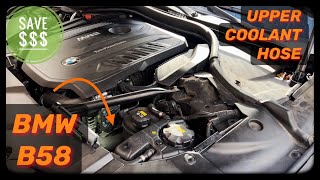
For those comfortable with basic auto repair, replacing the ECT sensor on the B58 engine is a very manageable job. The sensor is located on the front of the cylinder head and is easily accessible. 🎬 See this guide to every sensor in the B58 engine bay. The job typically takes less than 30 minutes. Be prepared for a small amount of coolant to spill when you remove the old sensor, and have some spare BMW-approved coolant ready to top off the system afterward.
Frequently Asked Questions
Where is the engine coolant temperature sensor located on a 2017-2023 BMW 740i?
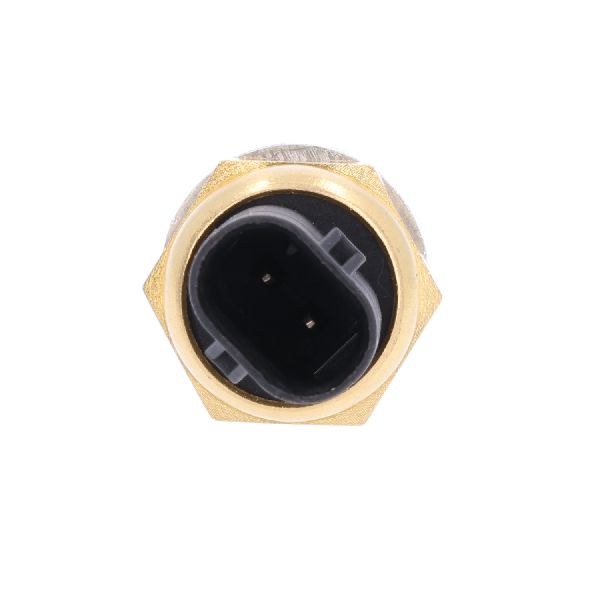
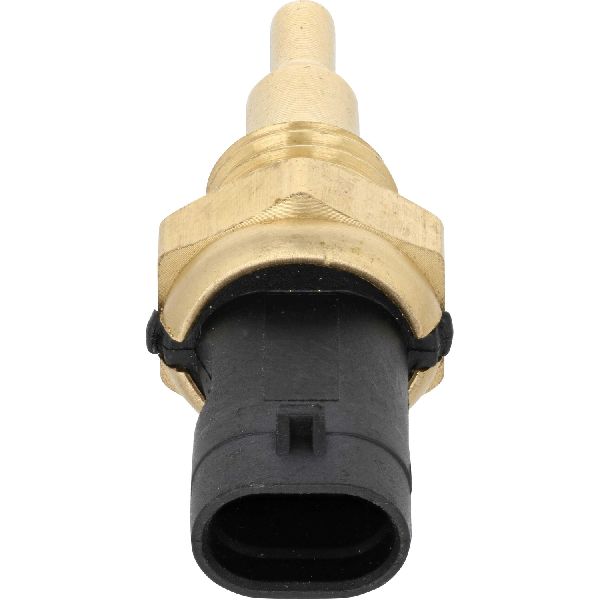
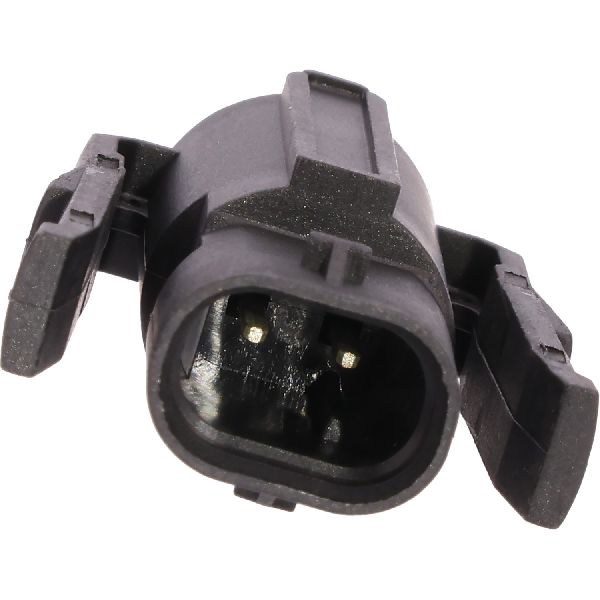
The primary engine coolant temperature sensor is located on the front of the B58 engine's cylinder head. It is a two-pin sensor that screws into a coolant passage.
Can I drive my 740i with a bad coolant temperature sensor?
It is not recommended. While you may be able to drive in the short term, a faulty sensor can lead to poor fuel economy, increased emissions, and a failed emissions test. More critically, it could lead to the engine overheating without warning, which can cause severe and expensive engine damage.
Are there any recalls for the coolant temperature sensor on the BMW 740i?
As of late 2023, there are no specific NHTSA recalls or Technical Service Bulletins (TSBs) for the engine coolant temperature sensor on the 2017-2023 BMW 740i. Always check for the latest information using your vehicle's VIN on the NHTSA website.
What OBD-II codes are related to a failing ECT sensor?
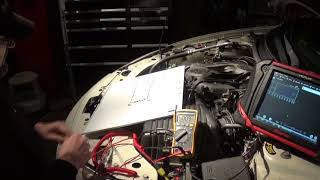
Common trouble codes include P0117 (Engine Coolant Temperature Sensor Circuit Low), which indicates the signal voltage is too low, and P0118 (Engine Coolant Temperature Sensor Circuit High), which means the voltage is too high. 🎬 Watch: How to test and replace your coolant temperature sensor. You may also see a general code like P0115 for a sensor circuit malfunction.
What is the difference between an OEM and aftermarket sensor?
An OEM (Original Equipment Manufacturer) sensor is the same part sold by the BMW dealer. An aftermarket part is made by a different company. High-quality aftermarket brands often meet or exceed OEM specifications and can be a great value, but quality can vary significantly between brands. For critical sensors on a BMW, it's often best to stick with the OEM part or a premium aftermarket brand known for supplying European automakers.
Helpful Videos

Technical Specifications
OEM Part Numbers: 13628649765 13627580635
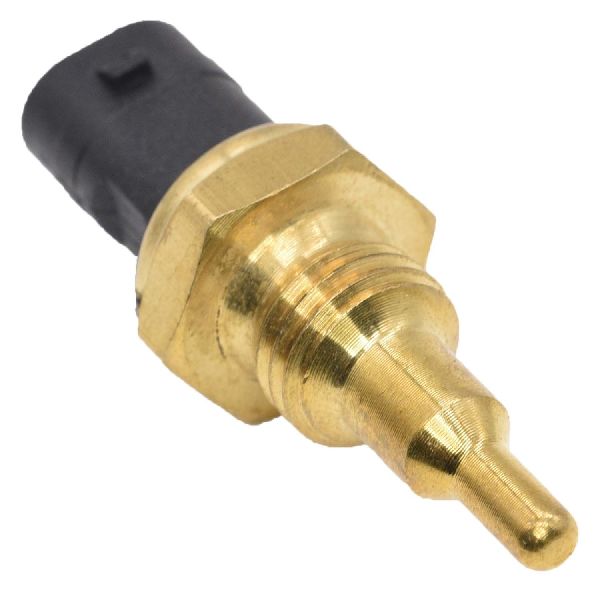
Connector: 2-Pin, oval shape. Thread Size: M12x1.5.
We Have This Part in Stock


The information in this article is provided for general reference and educational purposes only. Vehicle specifications, procedures, and part compatibility can vary by production date, trim level, and region. Always consult your vehicle's factory service manual and verify part numbers before purchasing or performing repairs. Safety-critical components such as airbags, seat belts, and braking systems should be installed by a qualified professional.
- BMW 740i:
- 🎬 Helpful Videos
- 🛍️ Shop This Part
- Is Your BMW 740i's Engine Acting Up? It Could Be a Bad Coolant Sensor
- Common Symptoms of a Failing ECT Sensor
- Choosing the Right Aftermarket Sensor for Your 740i
- Aftermarket Brand Tiers
- Cost of Replacing the Engine Coolant Temperature Sensor
- Pro Tip: DIY Replacement
- Frequently Asked Questions
- 🎟️ Get 5% Off