

A Guide to the Engine Coolant Temperature Sensor for the 2017-2023 BMW X1
Learn the symptoms of a failing coolant sensor and how to choose the right aftermarket replacement for your F48 X1.
- A failing sensor commonly causes a Check Engine Light, poor fuel economy, and overheating.
- For early 2017 models, check for TSB B130218 regarding fault code 1B8004, which may only require a software update.
- Replacement is a simple DIY task for many, located at the radiator hose junction or on the cylinder head.
- Choose a high-quality aftermarket brand like Delphi to ensure accuracy and avoid repeat failures.
Understanding Engine Coolant Temperature Sensor Failures in Your X1
A faulty Engine Coolant Temperature (ECT) sensor can send incorrect signals to your X1's engine computer, leading to a range of performance issues. Because the computer may think the engine is colder or hotter than it actually is, it can adjust fuel and timing improperly. This can result in poor fuel economy, rough running, and even cause your Check Engine Light to illuminate.
Common Symptoms of a Bad ECT Sensor
- Check Engine Light: This is often the first sign. The computer detects an illogical signal from the sensor and triggers a fault code.
- Poor Fuel Economy: If the sensor incorrectly tells the computer the engine is cold, the system will enrich the fuel mixture, wasting gas.
- Black Smoke from Exhaust: A rich fuel mixture from a bad sensor reading can result in unburnt fuel exiting through the exhaust as black smoke.
- Engine Overheating: If the sensor fails to report that the engine is hot, the cooling fans may not turn on when needed, leading to overheating.
- Erratic Temperature Gauge: The gauge on your dashboard may behave strangely, either not moving at all or jumping between hot and cold.
- Rough Idling: An incorrect fuel-to-air ratio can cause the engine to idle poorly or misfire.
Vehicle-Specific Issue: TSB for Early F48 Models
BMW issued a Technical Service Bulletin (TSB# B130218) for 2017-2023 X1 models produced up to July 2016. This TSB addresses a Check Engine Light with fault code 1B8004, which indicates an implausible signal from the radiator outlet temperature sensor. The official fix for this specific issue is a software update for the engine computer (DME), not necessarily a sensor replacement. If you see this code, a trip to a qualified shop for a software check is recommended before replacing parts.
Choosing the Right Aftermarket Sensor
When it comes to sensors for a BMW, quality matters. A cheap, poorly calibrated sensor can cause the same problems as a failed one. Here’s a breakdown of the available brands.
| Brand Tier | Brands | Assessment |
|---|---|---|
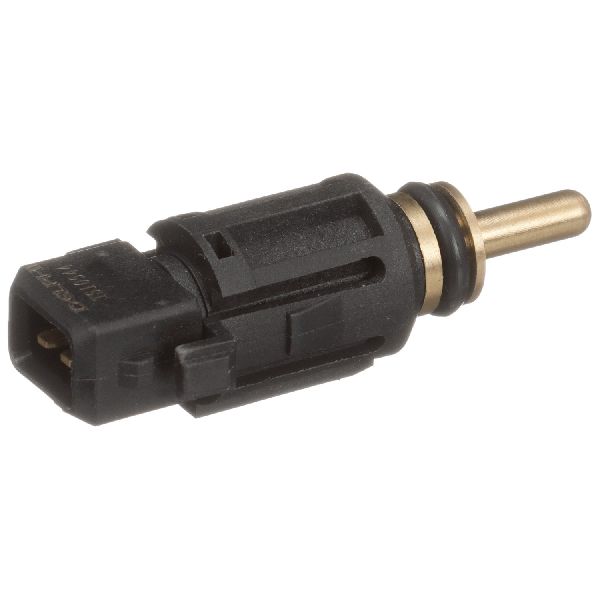
| Tier 1: OEM-Equivalent | Delphi, VNE | Delphi is a known Original Equipment (OE) supplier for many automotive brands, including BMW. Choosing a brand like Delphi or VNE often means you are getting a part made to the same specifications as the original, ensuring proper fit and accurate readings. This is the recommended choice for maximum reliability. |
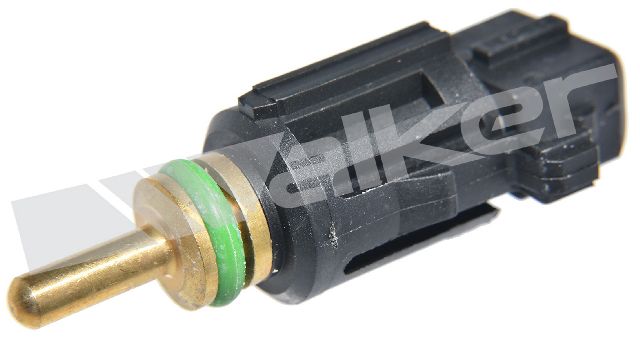
| Tier 2: Quality Aftermarket | Walker Products, Holstein | These brands have a reputation for producing reliable replacement parts that offer a good balance of quality and value. They are a solid choice if an OEM-equivalent part is not available or if you're looking for a more moderate price point. |
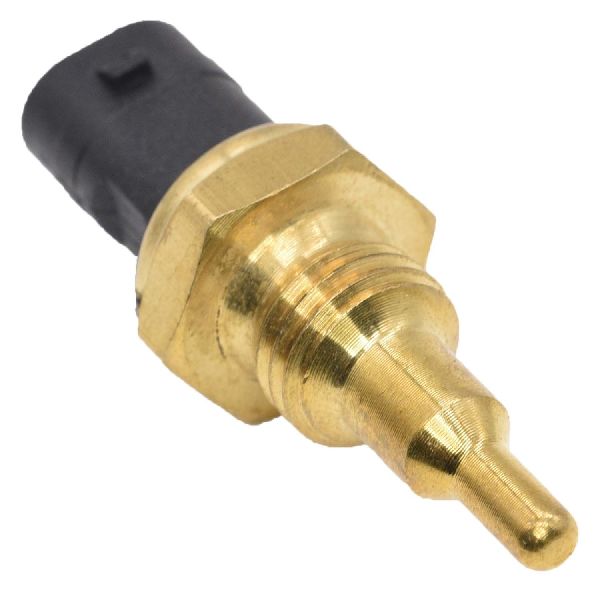
| Tier 3: Value-Oriented | Global Parts | Value brands provide a budget-friendly option. While functional, they may not have the same long-term durability or precise calibration as higher-tier brands. For a critical sensor on a BMW, it's generally advised to invest in a higher-quality part to avoid future issues. |
Frequently Asked Questions (FAQ)
Where is the engine coolant temperature sensor located on my 2017-2023 BMW X1?
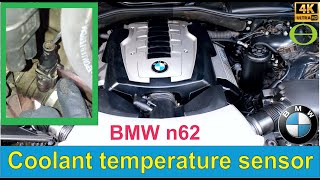
The F48 X1 with the B46 engine has more than one temperature sensor. A key sensor is located where the lower radiator hose connects to the radiator; it clips directly into the junction. 🎬 Watch: See the sensor location and a quick removal demonstration. Another important sensor is located on the cylinder head itself. The TSB for this model specifically refers to the radiator outlet sensor.
Can I replace the ECT sensor myself?
Yes, for many DIYers, this is a manageable job. The sensor is typically held in by a clip and has an electrical connector. You will need to be prepared to lose a small amount of coolant when you remove the old sensor. It's best to have the new sensor ready to install quickly to minimize coolant loss. Always perform this work on a cold engine.
What happens if I ignore a bad coolant sensor?
Ignoring a bad ECT sensor can lead to more serious problems. Persistently poor fuel economy costs you money, while a rich fuel mixture can damage your catalytic converter over time. Most critically, if the sensor fails to report an overheating condition, you risk severe engine damage like a warped cylinder head.
Is an aftermarket sensor good enough for my BMW?
Yes, but it's important to choose a quality brand. An aftermarket sensor from an OEM supplier like Delphi is functionally identical to the genuine BMW part but often costs less. It is generally recommended to avoid the cheapest available options for critical electronic sensors on European vehicles to ensure accurate performance and longevity.
Helpful Videos
Technical Specifications
OEM Part Numbers: 13621433077 13627580635 13628650714 13621433076
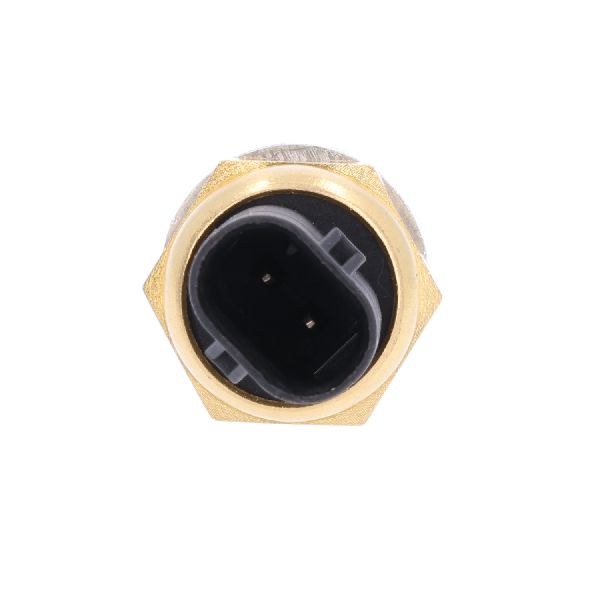
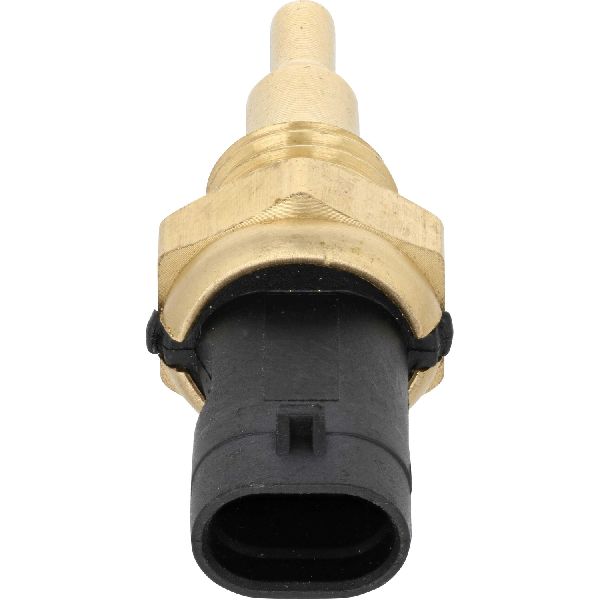
The sensor for the F48 X1 is typically a 2-pin NTC (Negative Temperature Coefficient) thermistor that clips into place and is sealed with an O-ring.
We Have This Part in Stock


The information in this article is provided for general reference and educational purposes only. Vehicle specifications, procedures, and part compatibility can vary by production date, trim level, and region. Always consult your vehicle's factory service manual and verify part numbers before purchasing or performing repairs. Safety-critical components such as airbags, seat belts, and braking systems should be installed by a qualified professional.
- BMW X1: