

A Guide to Replacing Ignition Coils on Your 2017-2023 BMW X1
Keep your X1's turbocharged engine running smoothly by understanding when and how to replace your ignition coils.
- A flashing check engine light indicates a severe misfire; you should pull over and avoid driving to prevent catalytic converter damage.
- Replacing all four ignition coils and spark plugs at the same time is the recommended best practice for balanced performance.
- Using OEM-quality brands like Bosch or Delphi is strongly recommended by other BMW owners to ensure reliability.
- This is a very straightforward DIY job that most owners can complete in under an hour with basic tools.
Understanding Ignition Coil Failure in Your X1
Ignition coils are a critical part of your 2017-2023 BMW X1's engine, but they are also a common wear item. Due to the high heat and vibration in the engine bay of turbocharged models, these parts are under constant stress and will eventually need replacement. A failing coil can cause a range of problems, from annoying vibrations to a significant loss of power. Ignoring the signs can lead to more expensive repairs down the road, such as damage to your catalytic converter from unburned fuel.
OEM vs. Aftermarket Ignition Coils
When choosing a replacement, you have several options. The original coils on your X1 were likely made by Bosch, Delphi, or Eldor. These brands are considered Original Equipment Manufacturers (OEM). Buying an OEM-branded part like Bosch or Delphi often gives you the same quality as the dealer part without the premium price. There is a strong consensus in owner forums that sticking with established OEM brands is a wise choice for critical electronic parts. While budget-friendly brands like DriveWire or Global Parts are available, top-tier aftermarket brands like NGK, Bosch, and Delphi have a proven track record for performance and reliability in BMW engines.
Aftermarket Brand Quality Tiers
| Tier | Brands | Quality & Performance Notes |
|---|---|---|
| Tier 1: OEM & Premium Aftermarket | Bosch, Delphi, NGK | These brands are often the original suppliers to BMW. They offer factory-spec performance and reliability. Many owners and mechanics recommend sticking with these brands to avoid compatibility or premature failure issues. |
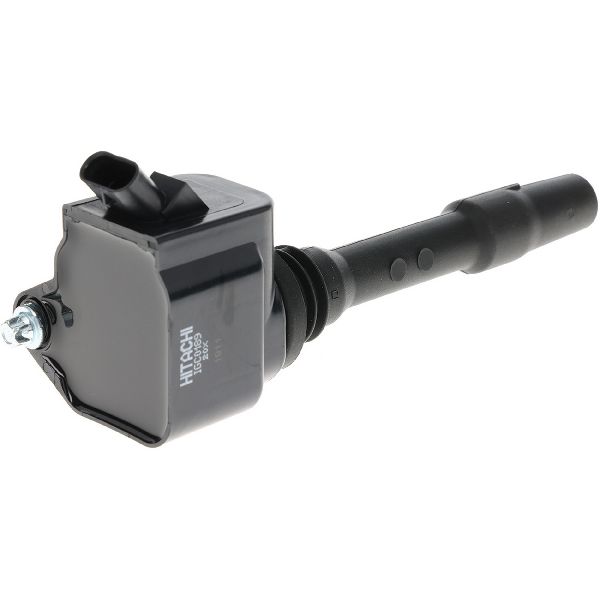
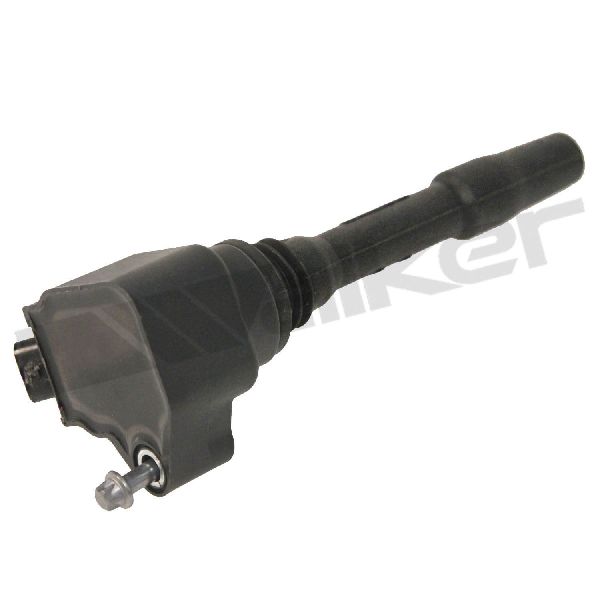
| Tier 2: Performance Aftermarket | Hitachi, Spectra, Walker Products | These are established brands that offer reliable quality, often meeting or exceeding OEM specifications. They are a solid choice for owners looking for a balance of price and performance. |
| Tier 3: Value-Oriented | DriveWire, Global Parts | These brands provide a cost-effective solution. While they can get your vehicle back on the road, they may not offer the same longevity or performance consistency as higher-tier brands. |
Known Issues, Recalls, and Service Bulletins
As of early 2026, there are no specific recalls or Technical Service Bulletins (TSBs) from the NHTSA for ignition coil failure on the 2017-2023 BMW X1. Searches for recalls on this vehicle generation show issues related to other components, but not the ignition system directly. However, it's always a good practice to check the NHTSA website with your vehicle's VIN for the most current information.
Frequently Asked Questions
Should I replace all ignition coils at once?
Yes, it is highly recommended. Ignition coils are exposed to the same amount of heat and wear. If one has failed, the others are likely nearing the end of their service life. Replacing them all at the same time saves you from future repeat repairs and ensures balanced engine performance. 🎬 Follow this guide to replace your B48 engine's coils and plugs. It's also recommended to replace the spark plugs at the same time.
What is dielectric grease and should I use it?
Dielectric grease is a non-conductive, silicone-based grease used on the inside of the ignition coil boot. It prevents moisture from getting in and makes it much easier to remove the coil from the spark plug in the future. Applying a small amount to the inside of the new coil's boot is a pro tip to prevent the boot from getting stuck to the spark plug.
How do I know which cylinder has the bad coil?
The easiest way is to use an OBD-II scanner. It will give you a specific code, like P0301 for cylinder 1, P0302 for cylinder 2, and so on. If you don't have a scanner, a common diagnostic trick is to swap the suspected bad coil with a coil from a known good cylinder. If the misfire code moves to the new cylinder, you've confirmed the coil is bad.
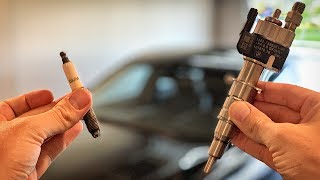
🎬 See a pro tip on diagnosing engine misfires effectively.Is this a difficult DIY job?
No, this is one of the easier DIY jobs on a BMW X1. The ignition coils are located directly on top of the engine and are easily accessible after removing the plastic engine cover. The entire job can typically be done in under an hour with basic hand tools.
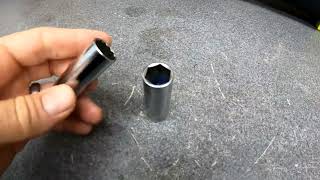
🎬 Watch this quick walkthrough of an X1 coil pack replacement.Helpful Videos
Technical Specifications
OEM Part Numbers: 12138643360 12138678438 12138647463
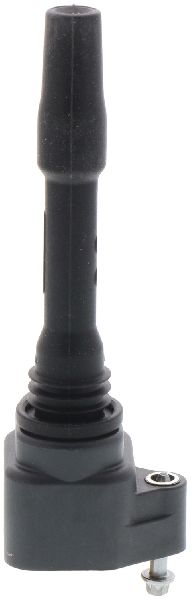
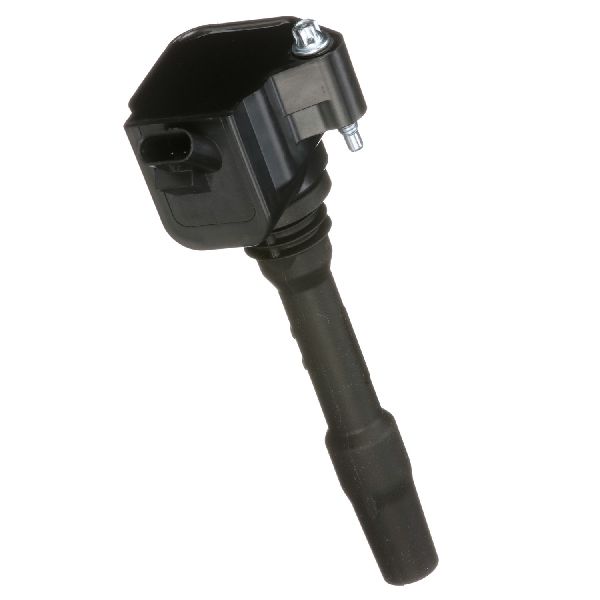
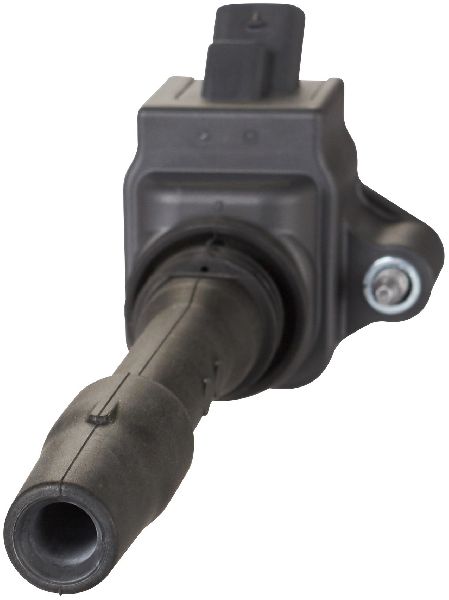
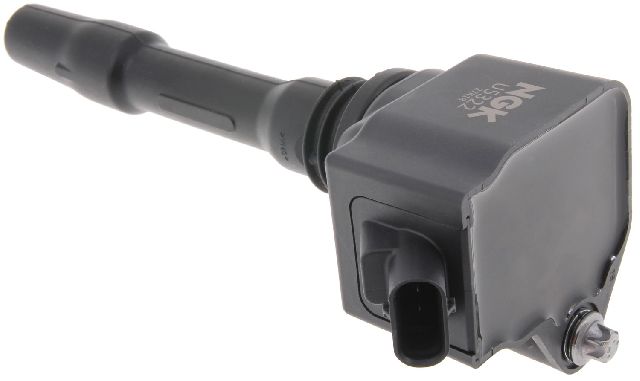
The 2017-2023 BMW X1 uses a coil-on-plug ignition system. Each of the four cylinders in the B46/B48 engine has its own individual ignition coil.
We Have This Part in Stock

The information in this article is provided for general reference and educational purposes only. Vehicle specifications, procedures, and part compatibility can vary by production date, trim level, and region. Always consult your vehicle's factory service manual and verify part numbers before purchasing or performing repairs. Safety-critical components such as airbags, seat belts, and braking systems should be installed by a qualified professional.
- BMW X1: