

Replacing Disc Brake Pads on Your 2017-2023 Chevrolet Bolt EV
Understand why your Bolt EV's brake pads are different and what to do when they need service.
- Brake pad failure on a Bolt EV is more often due to corrosion and seized calipers from lack of use, not from wear.
- Pads can last over 100,000 miles, but regular inspection and servicing of caliper pins is crucial, especially in winter climates.
- Replacing rear brake pads requires putting the electronic parking brake into 'Service Mode', which is a critical step for DIY replacement.
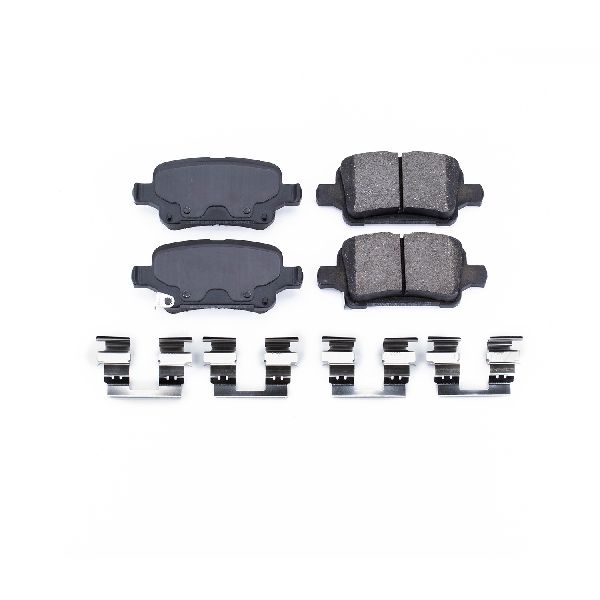
- Choosing a quality ceramic pad from a reputable brand like Akebono, Bosch, or Powerstop will ensure quiet operation and low dust.
Symptoms of Failing Brake Pads
Even though they aren't used as often, the brake pads on your 2017-2023 Chevrolet Bolt EV can still wear out or develop problems. The most common issue isn't wear, but corrosion. Because the friction brakes are used so infrequently, rust can build up on the rotors and cause the caliper slide pins to seize. This can lead to a variety of symptoms.
- Squealing or Grinding Noises: This is a classic sign of brake trouble. It can be caused by the built-in wear indicator on the pads, or by rust and debris. A seized caliper can also cause a constant grinding noise.
- Vibration or Pulsing: If you feel a pulsation in the brake pedal or steering wheel when braking, it could be due to warped rotors, often caused by a sticking caliper getting them too hot.
- Pulling to One Side: If a brake caliper on one side is seized or not working correctly, your car may pull to the left or right when you apply the brakes.
- Reduced Braking Performance: If the pedal feels spongy or you notice it takes longer to stop, it's a critical safety issue that needs immediate attention.
Corrosion is the Real Enemy
For most Bolt EV owners, especially in areas where road salt is used, brake problems are more likely to come from rust and lack of use than from the pads wearing down. A seized caliper can cause pads and rotors to wear out very quickly. Regular brake service to clean and lubricate components is more important than mileage-based replacement.
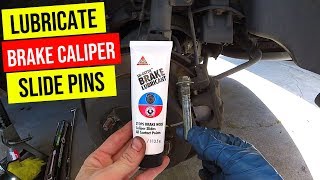
🎬 Learn how to clean and lubricate sticking caliper slide pins.Choosing the Right Aftermarket Brake Pads
When it's time to replace your brake pads, you have many aftermarket options that can offer similar or better performance than the original equipment (OEM) pads, often at a better price. Since wear is not the primary concern, choosing a quality ceramic pad is a good choice for its quiet operation and low dust.
Brand Tiers
Here’s a look at some of the brands available for your Bolt EV, broken down by quality and reputation:
- Premium Brands (Akebono, Brembo, Bosch): These brands are often original equipment suppliers to many car manufacturers. Akebono is well-regarded for its smooth, quiet ceramic pads that produce minimal dust. Bosch is another top-tier brand known for reliability and durability. These are excellent choices for matching or exceeding OEM quality.
- Performance-Focused Brands (Powerstop, EBC Brakes): Powerstop offers kits that often include pads and rotors, with a focus on low-dust ceramic formulas. EBC Brakes is known for performance applications, which may be more than what a typical Bolt EV needs, but they are a quality option.
- Trusted Aftermarket Brands (Raybestos, Wagner, Centric): These are well-known, reliable brands in the North American aftermarket. They offer a good balance of quality and price, with options that meet or exceed OEM specifications. Wagner and Raybestos are long-standing names with a solid reputation.
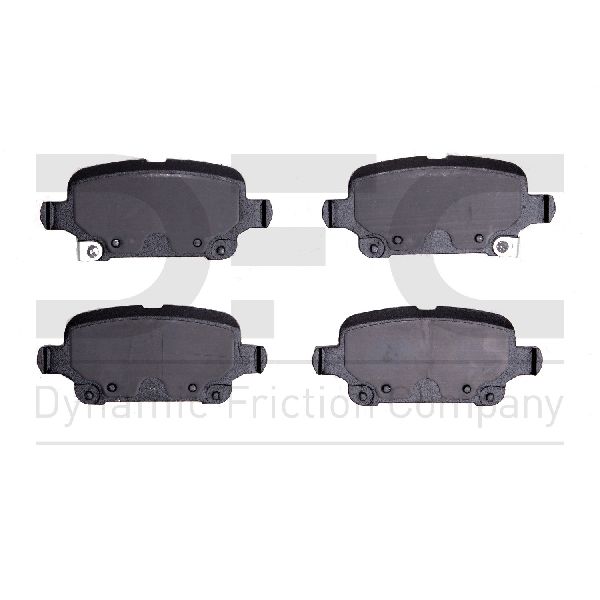
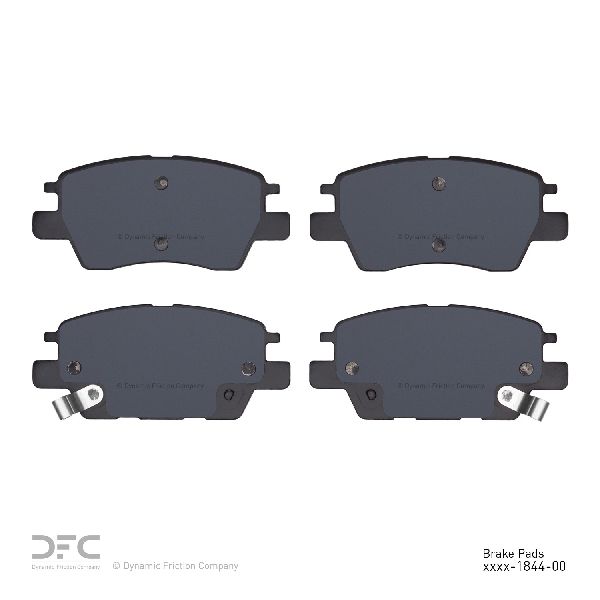
- Standard/Value Brands (Dynamic Friction): These brands provide a functional and cost-effective solution. They are designed to meet basic OEM fit and function requirements and are a good choice for budget-conscious repairs.
A Note on Installation
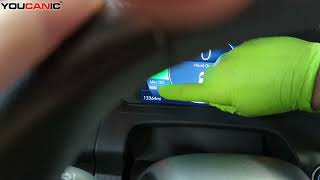
Replacing brake pads on a Bolt EV is similar to most other cars, but with one key difference: the electronic parking brake. To replace the rear pads, the electronic parking brake must be put into a special "Service Mode" to retract the caliper piston. This can be done through a sequence of actions in the vehicle or with a diagnostic scan tool. If this step is not done, you will not be able to complete the job. 🎬 See how to put the electronic parking brake into service mode. The front brakes do not have this requirement.
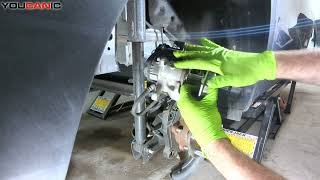
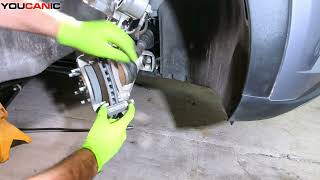
🎬 Watch this step-by-step guide to replacing front pads and rotors.Known Issues, Recalls, and TSBs
There have been a few brake-related issues for this generation of the Bolt EV:
- Recall N202321400: A small number of 2020 Bolt EV vehicles were recalled for a front left brake caliper that could fracture during a high-pressure braking event.
- Recall 18279: Some 2018-2019 Bolt EV models were part of a recall where rear brake caliper pistons could have an insufficient coating, potentially leading to gas pockets forming in the brake fluid and reducing performance. The fix was for dealers to bleed the brake system.
- TSB 20-NA-170: This Technical Service Bulletin addresses a clicking or rattling noise from the brake booster area on 2017-2020 models. The solution is a software update, not a hardware replacement.
Cost to Replace Chevrolet Bolt EV Brake Pads
| Part | Price Range |
|---|---|
| New Aftermarket Disc Brake Pad Set (per axle) | $28.29 - $97.48 |
| Shop Labor (per axle) | $98 - $143 |
| Total Professional Replacement (per axle) | $126 - $240 |
Prices are estimates and can vary based on location and the specific parts chosen. This table does not include the cost of new rotors, which may be needed if they are rusted or warped.
Frequently Asked Questions
How long do brake pads last on a Chevy Bolt EV?
Due to regenerative braking, the brake pads on a Bolt EV can last a very long time, often over 100,000 miles, and in some cases, the life of the vehicle. However, they can fail sooner due to corrosion and seizing, especially in climates where road salt is used.
Can I replace just the brake pads and not the rotors?
Yes, you can replace just the pads if the rotors are in good condition (not warped, grooved, or heavily rusted). However, many shops recommend replacing pads and rotors at the same time to ensure the best performance, especially if corrosion is the reason for the service.
Do I need special brake pads for an EV?
While there are some "EV-specific" brake pads on the market, any quality ceramic pad from a reputable brand will work well on the Bolt EV. The key is to choose a pad that is quiet and produces low dust, as you will notice these characteristics more than wear performance. The physical fitment is the same as comparable gasoline cars like the Chevrolet Cruze.
Why are my brakes making noise if I barely use them?
Noise is often caused by a thin layer of rust that forms on the rotors from lack of use, which is normal and usually goes away after a few stops. However, persistent grinding or squealing can indicate a seized caliper pin or other corrosion-related issue that needs to be serviced. Some owners recommend occasionally using the friction brakes (by shifting to Neutral and braking) to help keep the rotors clean.
Helpful Videos
Technical Specifications
OEM Part Numbers: 13532172
The Bolt EV uses a blended braking system that prioritizes regenerative braking over friction brakes. The rear brakes feature an electronic parking brake that requires a special service mode for pad replacement. Brake fluid should be replaced every 5 years per the maintenance schedule.
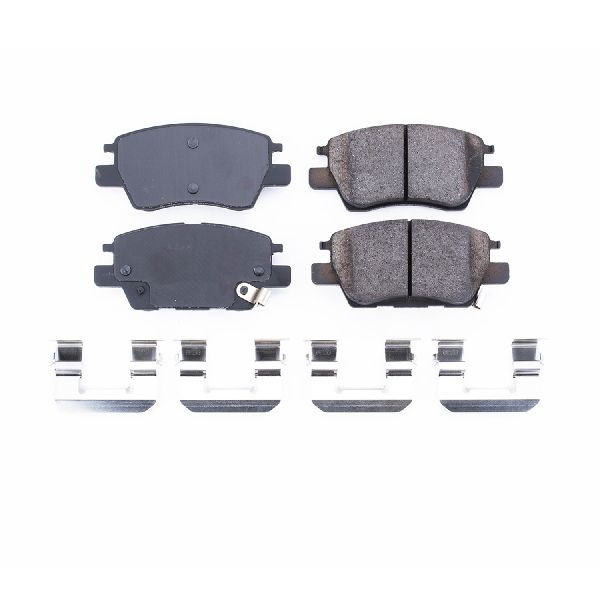
We Have This Part in Stock

The information in this article is provided for general reference and educational purposes only. Vehicle specifications, procedures, and part compatibility can vary by production date, trim level, and region. Always consult your vehicle's factory service manual and verify part numbers before purchasing or performing repairs. Safety-critical components such as airbags, seat belts, and braking systems should be installed by a qualified professional.
- Chevrolet Bolt EV: