

Chevrolet Bolt EV Coolant Temperature Sensor (2017-2023): A Complete Guide
Keeping your Bolt's battery and electronics cool is critical; here's what you need to know about the sensor that makes it happen.
- The coolant temperature sensor is critical for battery and electronics health, not for a traditional engine.
- Symptoms often involve a Check Engine Light and 'Reduced Propulsion Power' messages rather than overheating in a traditional sense.
- Quality aftermarket brands like Standard Ignition are a reliable, cost-effective alternative to OEM parts.
- While the sensor swap is simple, bleeding air from the specific cooling loop afterward can be complex and may require special procedures.
Understanding the Coolant Temp Sensor in Your Bolt EV
The coolant temperature sensor in your 2017-2023 Chevrolet Bolt EV is a small but vital part of its complex thermal management system. Because your Bolt is an electric vehicle, this sensor isn't monitoring a hot engine block. Instead, it's watching over the single most important component: the battery. It also monitors the power electronics that handle charging and driving. Keeping these systems within their ideal temperature range is the key to long life, efficient charging, and full power delivery, especially in very hot or cold weather.
Symptoms of a Failing Coolant Temperature Sensor
A bad coolant sensor can cause confusing issues because it feeds bad information to the car's computer. Watch for these signs:
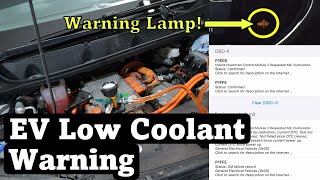
- Check Engine Light: This is the most common sign. The computer will detect a problem with the sensor's signal and store a trouble code like P0115, P0117, or P0118. 🎬 Watch: EricTheCarGuy explains what a P0118 code means for your sensor.
- "Propulsion Power Reduced" Message: If the car can't trust the temperature reading, it may limit power to protect the battery and electronics.
- Incorrect Temperature Warnings: You might see messages like "BATTERY TOO COLD, PLUG IN TO WARM" even when it's not extremely cold out.
- Cooling Fans Run Constantly or Not at All: The sensor controls the radiator fans. If it fails, the fans might run all the time, draining your 12-volt battery, or not turn on when needed, risking damage to the electronics.
- A/C or Cabin Heat Issues: Since the cooling systems are linked, a sensor failure can sometimes affect the performance of your climate control.
A Note on Recalls
While there have been significant recalls for the Bolt EV's high-voltage battery, there are no active recalls or widespread known issues specifically for the coolant temperature sensors. The battery recalls focused on internal battery module defects, not the external cooling system components.
Choosing the Right Aftermarket Sensor
When your sensor fails, you have a choice between OEM (Original Equipment Manufacturer) and aftermarket parts. For a simple part like a temperature sensor, a quality aftermarket brand can offer reliable performance for less money.
- Premium Aftermarket (e.g., Standard Ignition): Brands like Standard Motor Products have a long history of producing reliable electronic components that meet or exceed OEM quality. They are often a top choice for professional mechanics.
- Standard Aftermarket (e.g., Holstein): Holstein provides a wide range of sensors that are designed to be direct-fit replacements. They are a solid, budget-friendly choice that meets OE specifications.
- Value Brands (e.g., True Tech): Often sold as a store brand, these parts offer a functional replacement at the lowest price point. While they can be a good value, quality can sometimes be less consistent than more established brands.
Mechanic's Tip
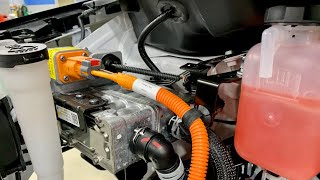
The Bolt EV has three separate coolant loops. 🎬 See this video for a detailed breakdown of the Bolt's cooling loops. Before ordering, be absolutely sure which sensor you need to replace. The sensor for the battery loop may be different from the one for the power electronics loop. A diagnostic scan tool can help you identify which sensor circuit is reporting a fault.
Cost to Replace a Chevrolet Bolt EV Coolant Temperature Sensor
The cost to replace the sensor is reasonable. The part itself is inexpensive, and the labor is typically not intensive, though it requires care.
| Item | Estimated Cost |
|---|---|
| New Aftermarket Sensor | $16.94 - $18.75 |
| New OEM (ACDelco) Sensor | $25 - $45 |
| Shop Labor | $90 - $150 |
| Total Estimated Cost | $110 - $200 |
Frequently Asked Questions
Can I replace the Bolt EV's coolant temperature sensor myself?
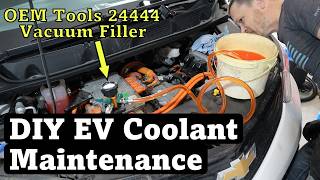
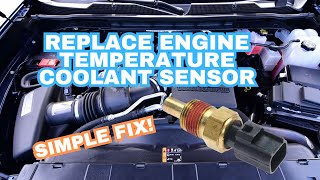
Yes, if you have some mechanical experience. 🎬 Watch: A simple walkthrough on how to replace a temperature sensor. The job involves letting the car cool down, locating the correct sensor, and quickly swapping the new one in to minimize coolant loss. However, bleeding air from the cooling system afterward can be tricky, especially for the battery loop. Some procedures may require a special vacuum tool or even activating the coolant pump by starting a DC fast charge session to properly burp the system. If you're not comfortable with this, it's best to leave it to a professional.
Why does my EV have coolant if it doesn't have a hot engine?
Batteries and power electronics create heat during operation and charging. They are also sensitive to cold. The liquid coolant is used to move this heat around—either taking it away to a radiator or bringing heat from a heater to the battery to keep it in its ideal temperature range of roughly 60-90°F.
How many coolant temperature sensors does the Bolt EV have?
The Bolt EV has multiple temperature sensors throughout its cooling systems. There is at least one for the battery cooling loop and another for the power electronics loop. A diagnostic scan is the best way to determine which specific sensor has failed.
Is a failing coolant sensor dangerous?
While it won't cause a fire like the battery recall issue, it can lead to problems. If the car's computer gets a false 'cold' signal, it might not activate the cooling fans when the electronics get hot, potentially causing damage over time. Conversely, a false 'hot' signal could lead to reduced power when you need it most. It's a repair you should not put off.
Helpful Videos

Technical Specifications
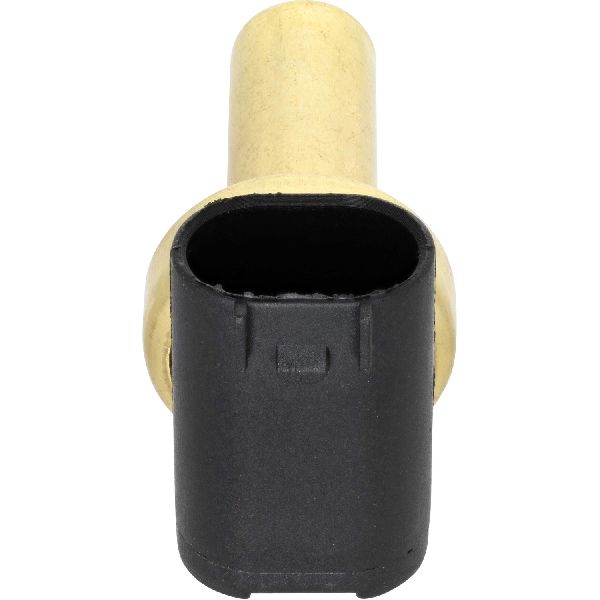
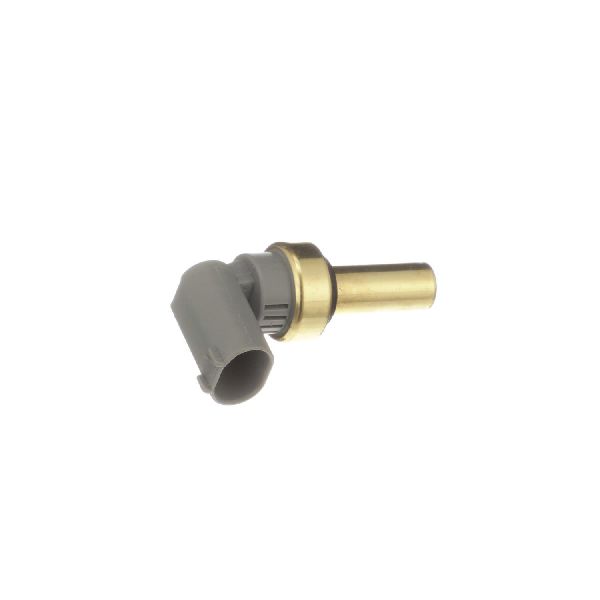
OEM Part Numbers: 13498350 213-4688
Monitors temperature of the liquid coolant for the high-voltage battery and power electronics thermal management systems.
We Have This Part in Stock


The information in this article is provided for general reference and educational purposes only. Vehicle specifications, procedures, and part compatibility can vary by production date, trim level, and region. Always consult your vehicle's factory service manual and verify part numbers before purchasing or performing repairs. Safety-critical components such as airbags, seat belts, and braking systems should be installed by a qualified professional.
- Chevrolet Bolt EV:
- 🎬 Helpful Videos
- 🛍️ Shop This Part
- Understanding the Coolant Temp Sensor in Your Bolt EV
- Symptoms of a Failing Coolant Temperature Sensor
- A Note on Recalls
- Choosing the Right Aftermarket Sensor
- Mechanic's Tip
- Cost to Replace a Chevrolet Bolt EV Coolant Temperature Sensor
- Frequently Asked Questions
- 🎟️ Get 5% Off