

A Guide to the 2017-2023 Chevrolet Express 3500 Turbocharger Boost Sensor
Losing power or seeing a check engine light in your 2.8L Duramax Express van? Your turbo boost sensor could be the problem.
- A faulty boost sensor is a common issue on the 2.8L Duramax, often causing a check engine light and reduced power.
- Symptoms include poor fuel economy, black smoke, and rough idling.
- The sensor often gets clogged with soot; cleaning it is a possible first step, but replacement is often required.
- Replacement is an easy DIY job that takes less than 30 minutes with basic tools.
Is Your Express Van Acting Sluggish?
If your Chevrolet Express 3500 with the 2.8L Duramax diesel engine feels like it's lost its get-up-and-go, a faulty turbocharger boost sensor might be the cause. This small sensor plays a big role in your van's performance. When it fails, it can lead to a variety of noticeable problems, from poor acceleration to a check engine light that won't go away.
Common Failure Symptoms
A failing boost sensor sends incorrect information to the engine's computer. This can trick the computer into providing the wrong fuel mixture, leading to several issues:
- Check Engine Light: This is often the first sign. You may see codes like P0236, P0237, or P0238 when you scan the vehicle.
- Reduced Power / Limp Mode: Your van may feel noticeably weaker, as the computer limits engine power to prevent potential damage.
- Poor Fuel Economy: When the air-fuel mixture is off, your van will burn more fuel than necessary.
- Black Smoke from Exhaust: This indicates the engine is running 'rich,' with too much fuel and not enough air, a common result of a bad sensor reading.
- Engine Hesitation or Surging: Acceleration may become jerky or inconsistent.
A Common Point of Failure: Soot Buildup
A very common issue on Duramax engines, including the 2.8L, is for the boost sensor's port to become clogged with soot from the exhaust gas recirculation (EGR) system. Sometimes, simply removing and cleaning the sensor with an electronics-safe cleaner can restore its function. However, if the internal electronics have failed, or if cleaning doesn't solve the problem, a full replacement is necessary.
Choosing the Right Aftermarket Boost Sensor
When it comes to engine sensors, quality matters. A cheap, poorly made sensor can fail quickly or provide inaccurate readings, causing the same problems you were trying to fix. Here’s a breakdown of the available aftermarket brands.
Brand Quality Tiers
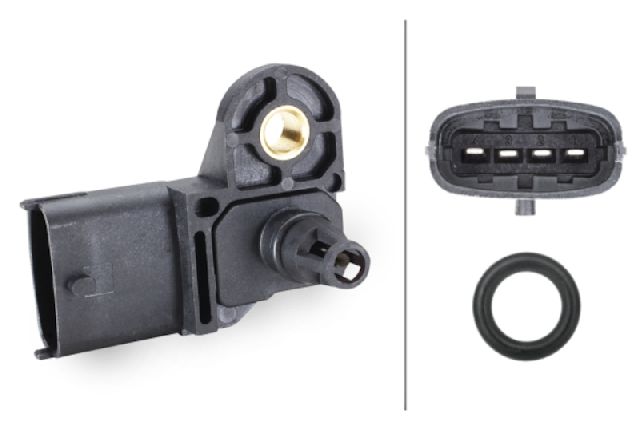
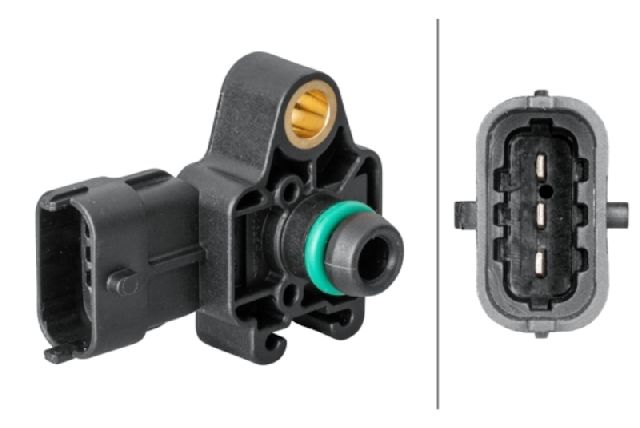
- Premium Aftermarket (Hella, Standard Ignition): Brands like Hella and Standard Ignition (SMP) have a long history in the auto parts industry. Hella is often a supplier of original equipment (OEM) parts to car manufacturers. Standard Ignition is a well-established aftermarket brand. While quality can sometimes vary, these brands are generally considered a more reliable choice than generic parts and are engineered to meet or exceed original specifications.
- Value-Priced (Replacement): 'Replacement' branded parts are a budget-friendly option. They are designed to fit and function like the original part but may not have the same long-term durability or precise calibration as a premium brand or OEM part. This is a viable option if the budget is the primary concern, but it may carry a higher risk of needing to be replaced again sooner.
OEM vs. Aftermarket
For a critical sensor like this, an OEM part from a Chevrolet dealer is the safest bet for guaranteed compatibility and longevity. However, a premium aftermarket part from a reputable brand like Hella or Standard Ignition offers a good balance of quality and cost. For many owners, this is the most practical solution.
Estimated Replacement Costs
| Part Type | Estimated Part Cost | Estimated Labor Cost |
|---|---|---|
| New OEM | $100 - $180 | $75 - $150 |
| New Aftermarket (Premium) | $50 - $80 | |
| New Aftermarket (Value) | $29 - $50 |
Frequently Asked Questions
Where is the turbo boost sensor located on the 2017-2023 Express 3500?
The boost sensor is mounted directly on the intake manifold, making it relatively easy to access. It is typically held in place by a single 10mm bolt and has one electrical connector.
Is a turbo boost sensor the same as a MAP sensor?
Yes. On a turbocharged vehicle, the Manifold Absolute Pressure (MAP) sensor's primary job is to measure boost pressure from the turbo. The terms are often used interchangeably.
Can I replace the boost sensor myself?
Yes, this is a beginner-friendly DIY job. You will need basic hand tools, including a socket to remove the 10mm bolt and possibly a small screwdriver to release the clip on the electrical connector. The job typically takes less than 30 minutes.
What happens if I don't replace a bad boost sensor?
Driving with a faulty boost sensor can lead to long-term problems. Persistently poor fuel economy costs you money, while a rich fuel mixture can lead to excessive carbon buildup and potentially damage the catalytic converter over time. It's best to address the issue promptly.
Technical Specifications
OEM Part Numbers: 12681993
Also known as a Manifold Absolute Pressure (MAP) Sensor. It is located on the engine's intake manifold.
We Have This Part in Stock


The information in this article is provided for general reference and educational purposes only. Vehicle specifications, procedures, and part compatibility can vary by production date, trim level, and region. Always consult your vehicle's factory service manual and verify part numbers before purchasing or performing repairs. Safety-critical components such as airbags, seat belts, and braking systems should be installed by a qualified professional.
- Chevrolet Express 3500: