

2017-2023 Dodge Durango Engine Oil Temperature Sensor Guide
Is your Durango showing an engine light or a faulty temperature gauge? This guide covers common symptoms and replacement parts.
- A bad oil temp sensor will almost always trigger a check engine light with codes P0196, P0197, or P0198.
- Always inspect the sensor's wiring and connector for damage before replacing the part itself.
- For 2021 6.2L models, an oil leak near the sensor may just require re-torquing it per TSB 09-007-21.
- Quality aftermarket brands like Standard Ignition are a reliable and cost-effective alternative to OEM for this part.
Is Your Durango's Oil Temp Sensor Failing?
A bad engine oil temperature sensor can cause more than just a wrong reading on your dashboard. Since the engine's computer relies on this sensor for accurate data, a failure can lead to real performance problems. The most common sign is the check engine light turning on. You might also see the oil temperature gauge behave strangely, like jumping from cold to hot, moving erratically, or not moving at all. In some cases, you could experience worse fuel economy, engine hesitation, or even the engine going into a reduced-power "limp mode" to protect itself.
Check the Wiring First!
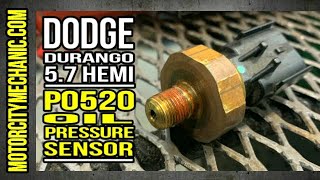
Before you replace the sensor, always check its wiring and connector. 🎬 Watch a mechanic diagnose sensor and wiring issues on a Durango. On Dodge vehicles, it's not uncommon for the wires to become cracked, corroded, or damaged from engine heat and vibration. A simple wiring issue can trigger the same error codes as a failed sensor.
Choosing the Right Aftermarket Sensor
For a part like this, an aftermarket sensor is often a cost-effective choice that performs just as well as the original. The key is to choose a brand with a good reputation.
- Standard Ignition (Standard Motor Products): This is a well-known and trusted brand in the aftermarket industry with a long history of making quality replacement parts that meet or exceed original specifications. They are generally considered a reliable, high-quality option.
- Global Parts: This brand offers a more budget-friendly alternative. Customer reviews are often positive regarding their service and delivery. Their products are designed to be direct-fit replacements and undergo testing for durability.
For a critical sensor, spending a little more on a brand with a long-standing reputation like Standard Ignition can provide extra peace of mind. However, if budget is the main concern, Global Parts is a viable option.
Known Issues for 2017-2023 Dodge Durango
There are no widespread recalls for this specific sensor on the 2017-2023 Durango. However, a Technical Service Bulletin (TSB) was issued for some 2021 models with the 6.2L Supercharged engine.
- TSB 09-007-21: This bulletin addresses an oil leak that can happen near the engine oil temperature sensor. The fix is not to replace the sensor, but to tighten it to the correct torque specification (38 ft. lbs). If you have a 6.2L engine and see a small oil leak in that area, this TSB may apply.
| Part Type | Estimated Cost |
|---|---|
| New Aftermarket | $29.25 - $42.12 |
| New OEM (Mopar) | $30 - $50 |
| Used OEM | $15 - $25 |
| Shop Labor | $85 - $180 |
Pro Tip: Change It During an Oil Change
On many Durango engines, especially the Hemi V8s, the sensor is located right next to the oil filter. Replacing it requires removing the oil filter, which will cause oil to spill. The easiest and cleanest way to do this job is to combine it with a regular oil and filter change.
Frequently Asked Questions
Where is the engine oil temperature sensor located on my Durango?
On models with a Hemi V8 engine, the sensor is typically located on the oil filter housing, accessible from underneath the vehicle. For some models like the 6.2L, access may require removing the right front wheel liner. On 3.6L Pentastar engines, it is often part of the oil filter/cooler housing assembly located in the valley between the cylinder heads.
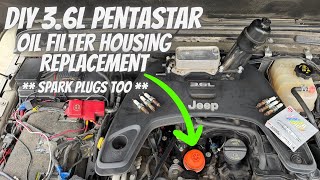
🎬 See how to replace the oil filter housing on 3.6L engines.What are the common error codes for a bad oil temp sensor?
The most common Diagnostic Trouble Codes (DTCs) are P0196 (Engine Oil Temperature Sensor Range/Performance), P0197 (Sensor Circuit Low), and P0198 (Sensor Circuit High).
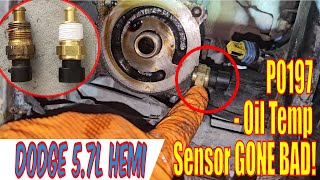
🎬 Watch this step-by-step guide to replacing the sensor on a 5.7L.Can I replace this sensor myself?
Yes, this is a DIY-friendly job for someone with basic tools. The main steps involve safely lifting the vehicle, draining the oil, removing the oil filter for access, unplugging the old sensor, and installing the new one. The TSB for the 6.2L engine lists a labor time of 0.7 hours.
Is an OEM sensor better than an aftermarket one for my Durango?
For a simple electronic sensor, a quality aftermarket part from a reputable brand like Standard Ignition is a reliable and cost-effective alternative to the more expensive OEM part. There is no evidence to suggest that OEM is significantly better for this specific component on this vehicle.
Helpful Videos


Technical Specifications
OEM Part Numbers: 68270732AB
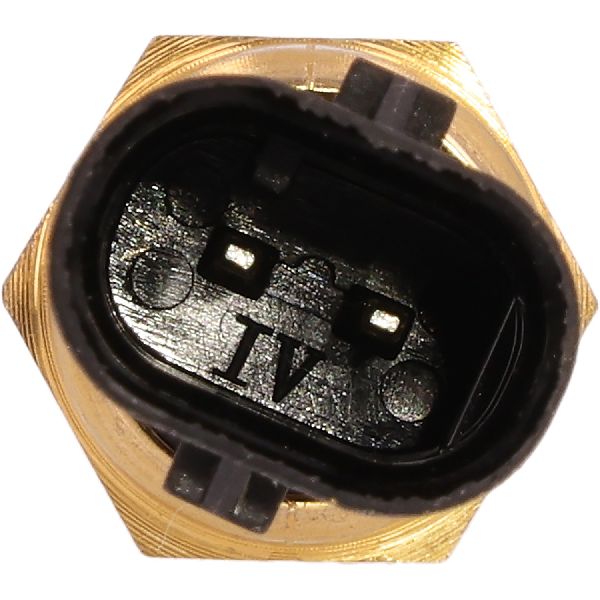
Typically a 2-pin thermistor sensor that changes resistance based on temperature. On Hemi engines, it is often located on the oil filter housing.
We Have This Part in Stock


The information in this article is provided for general reference and educational purposes only. Vehicle specifications, procedures, and part compatibility can vary by production date, trim level, and region. Always consult your vehicle's factory service manual and verify part numbers before purchasing or performing repairs. Safety-critical components such as airbags, seat belts, and braking systems should be installed by a qualified professional.
- Dodge Durango: