

Ford Edge Brake Master Cylinder (2017-2023): A Replacement Guide
If your Ford Edge brake pedal feels spongy or sinks to the floor, your master cylinder might be the culprit.
- The most common symptom of failure is a spongy or sinking brake pedal that feels soft and goes toward the floor.
- A failing master cylinder can leak internally into the brake booster, requiring the booster to be replaced as well.
- Check for outstanding brake hose recalls for your vehicle, as a ruptured hose can mimic master cylinder failure.
- Due to the complexity of bleeding the ABS system, professional installation is recommended for those not experienced with brake work.
Symptoms of a Failing Brake Master Cylinder in a Ford Edge
A bad master cylinder is a serious safety issue. If you notice any of these signs, get your brake system inspected immediately. The most common symptom is a change in brake pedal feel.
- Spongy or Mushy Brake Pedal: This is the number one sign. The pedal feels soft and lacks its usual firmness when you press it.
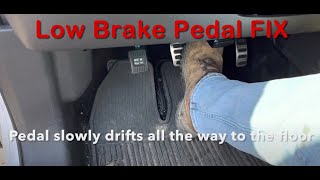
- Sinking Brake Pedal: When you hold your foot on the brake pedal at a stop, it slowly sinks to the floor. This indicates an internal leak, where fluid is bypassing the seals inside the cylinder.
- Low Brake Fluid Without External Leaks: You might find yourself needing to top off the brake fluid, but see no visible puddles under the car. This can happen when the master cylinder leaks internally into the brake booster.
- Brake Warning Light: If the fluid level in the reservoir drops too low, it will trigger a warning light on your dashboard.
- Contaminated Brake Fluid: If the fluid in the reservoir looks dark, murky, or has black specks, it can mean the rubber seals inside the master cylinder are breaking down.
Brake Hose Recalls
Ford issued recalls for front and rear brake hoses on 2015-2018 Edge models because they could rupture and cause a sudden loss of brake fluid. While this isn't a master cylinder failure, the symptom—a sudden soft pedal and loss of braking—is similar. It's crucial to ensure these recalls have been performed on your vehicle, as a leaking hose can be misdiagnosed as a bad master cylinder.
Choosing an Aftermarket Brake Master Cylinder
When replacing the master cylinder on your 2017-2023 Ford Edge, you have a choice between OEM (Original Equipment Manufacturer) and aftermarket parts. For this component, a new aftermarket part from a reputable brand offers a good balance of quality and cost savings.
Aftermarket brands like Dorman and Centric are common choices. Both are engineered to meet or exceed the original part's function.
- Dorman: Known for often re-engineering parts to fix common OEM weaknesses. Their quality is generally considered reliable for brake hydraulic components.
- Centric: A well-regarded aftermarket brand that produces a wide range of brake components. They are often seen as a solid, reliable choice for daily drivers.
For a critical safety part like a master cylinder, choosing a new unit is highly recommended over a remanufactured one to ensure reliability. Both Dorman and Centric offer new master cylinders that are designed to be a direct fit for the Ford Edge.
Pro Tip: Consider the Brake Booster
The brake master cylinder bolts directly to the brake booster. If the master cylinder fails by leaking fluid from its rear seal, that brake fluid goes directly into the booster. Brake fluid is corrosive and can quickly destroy the booster's internal diaphragm. Many technicians recommend replacing the brake booster at the same time as the master cylinder if an internal leak is suspected.
Estimated Costs for Replacement
The cost to replace a brake master cylinder can vary based on your location and whether you do the work yourself or use a professional shop.
| Part/Service | Estimated Cost |
|---|---|
| New OEM Part | $90 - $155 |
| New Aftermarket Part | $101 - $157 |
| Shop Labor | $207 - $322 |
| Total Professional Replacement | $361 - $485 |
Frequently Asked Questions
Is it difficult to replace a Ford Edge master cylinder myself?
For a DIY mechanic, this job is moderately difficult. It requires removing the battery and air filter box for access. The most critical step is bench bleeding the new master cylinder before installation to remove all air. After installation, the entire brake system must be bled, and sometimes an ABS bleed procedure using a special scan tool is necessary to get all the air out of the hydraulic control unit (HCU). Due to the safety-critical nature of the job, if you are not experienced with brake hydraulics, it is best left to a professional.
Do I need to replace the brake fluid reservoir?
Most new aftermarket master cylinders for the Ford Edge come with a new reservoir and fluid level sensor already attached. This is preferred, as it prevents issues with old, brittle plastic and ensures a good seal.
What kind of brake fluid does the 2017-2023 Ford Edge use?
Always consult your owner's manual for the exact specification, but Ford vehicles of this era typically require DOT 4 LV High Performance Motor Vehicle Brake Fluid.
Could something else cause a spongy brake pedal? 🎬 Watch this video to diagnose low brake pedal issues on your Edge.
Yes. While the master cylinder is a common cause, other issues can create a spongy pedal. These include air in the brake lines, a leaking brake hose (check for recalls), a failing brake caliper, or worn brake pads causing excessive piston travel. A thorough diagnosis is important before replacing parts.
Helpful Videos
Technical Specifications
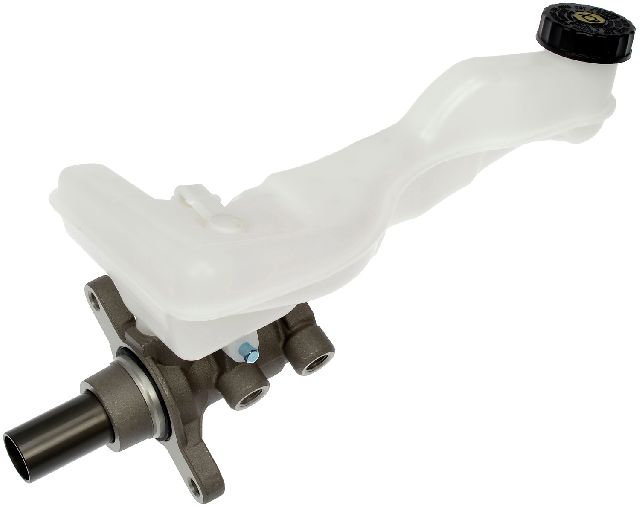
OEM Part Numbers: J2GZ-2140-A G2GZ-2140-E K2GZ-2140-A F2GZ-2140-A
Bore Diameter: 1.063 inch (27mm). Includes reservoir and fluid level sensor. Two outlets.
We Have This Part in Stock

The information in this article is provided for general reference and educational purposes only. Vehicle specifications, procedures, and part compatibility can vary by production date, trim level, and region. Always consult your vehicle's factory service manual and verify part numbers before purchasing or performing repairs. Safety-critical components such as airbags, seat belts, and braking systems should be installed by a qualified professional.
- Ford Edge: