

Ford Escape Serpentine Belt (2017-2023): A Guide to Replacement
Learn how to choose the right serpentine belt and avoid common problems for your 2017-2023 Ford Escape.
- A squealing noise is the first and most common warning sign; inspect the belt immediately if you hear it.
- If the belt breaks, your Escape will overheat and lose power, leaving you stranded. Do not drive with a bad belt.
- Always inspect the tensioner and idler pulleys when replacing the belt. A bad pulley can destroy a new belt.
- Verify the correct belt for your specific engine (1.5L, 2.0L, or 2.5L) before purchasing.
Signs of a Failing Serpentine Belt

A serpentine belt will almost always give you a warning before it fails completely. If you see or hear any of these signs on your Ford Escape, it's time for an inspection.
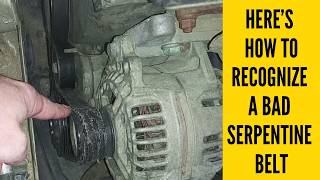
- Squealing or Chirping Noises: A high-pitched squeal, especially when you start the engine or turn on the A/C, is the most common symptom. This noise means the belt is slipping because it's old, worn, or has lost tension. 🎬 Watch: Learn how to identify these common belt failure symptoms.
- Visible Damage: Look at the belt. If you see cracks, frayed edges, missing ribs, or a shiny, glazed surface, it needs to be replaced.
- Accessory Problems: If your headlights start to dim, your battery warning light comes on, or the air conditioning isn't blowing cold, the belt may be slipping and failing to power the alternator or A/C compressor properly.
- Engine Overheating: The serpentine belt drives the water pump. If the belt slips or breaks, the engine can overheat very quickly, which can cause serious and expensive damage. One owner of a 2023 Escape reported the battery light came on just seconds before an overheat warning when their belt failed.
Choosing the Right Aftermarket Serpentine Belt

When replacing the belt on your Escape, you don't have to use the original dealer part. Several aftermarket brands offer excellent quality, often at a better price. The most important step is to make sure you are buying the correct belt for your specific engine, as the 1.5L, 2.0L, and 2.5L engines use different belts.
🎬 See this step-by-step belt replacement guide for 2.0L engines.Aftermarket Brand Tiers
| Premium Aftermarket (OEM-Equivalent) | Continental & Gates: These brands are often the original equipment suppliers for Ford and other carmakers. They are known for high-quality EPDM rubber that resists heat and cracking, ensuring a long life and quiet operation. Many professional mechanics prefer Gates or Continental. |
| Standard Aftermarket | Dayco: Dayco is a well-respected brand that provides reliable, quality belts. They are a popular and dependable choice for daily drivers and are often more budget-friendly than premium options. |
| OEM Option | Motorcraft: This is Ford's official parts brand. It guarantees a perfect fit, but you are often paying more for the name. Top-tier aftermarket belts from Gates or Continental will provide the same or better performance for less money. |
Pro Tip: Replace the Tensioner and Idler Pulleys.
When you replace the serpentine belt, it is highly recommended to also replace the belt tensioner and any idler pulleys. A weak tensioner is a common reason for a new belt to fail prematurely. If a pulley bearing is worn, it will be noisy and can seize, which will shred your new belt instantly.
Known Issues, Recalls, or TSBs
Searches for official recalls and Technical Service Bulletins (TSBs) from the National Highway Traffic Safety Administration (NHTSA) did not find any widespread, documented issues specifically for the serpentine belt on 2017-2023 Ford Escape models. Recalls for this vehicle generation typically involve other systems.
Cost to Replace a Ford Escape Serpentine Belt
The cost can vary depending on your location and whether you do the work yourself or use a repair shop.
| Part / Service | Estimated Cost |
|---|---|
| New Aftermarket Serpentine Belt | $20 - $81 |
| New OEM (Motorcraft) Serpentine Belt | $65 - $72 |
| Shop Labor | $95 - $139 |
| Total Professional Replacement | $160 - $211 |
Note: This cost is for the belt only. Replacing the tensioner and idler pulleys at the same time will increase the total cost but is highly recommended for a complete and lasting repair.
Frequently Asked Questions (FAQ)

How often should I replace my Ford Escape's serpentine belt?
A serpentine belt should typically be replaced every 60,000 to 100,000 miles. However, it's best to start visually inspecting it for cracks or wear at every oil change after 40,000 miles.
Is replacing the serpentine belt a DIY job?
Yes, for someone with basic mechanical skills and tools, this is a manageable DIY project. The process usually involves lifting the vehicle, removing the passenger side front wheel and a plastic splash shield to get access. The difficulty is rated as beginner-to-intermediate, mainly due to tight spaces.
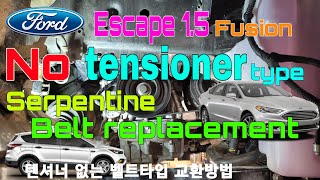
🎬 Watch: How to replace the stretch-fit belt on 1.5L engines.What's the difference between a serpentine belt and a timing belt?
Your Escape's serpentine belt is visible on the outside of the engine and runs your accessories (alternator, A/C, etc.). The timing belt (or chain) is inside the engine and keeps the engine's internal parts moving in sync. Some EcoBoost engines use a special "wet belt" for timing, but the external serpentine belt is a standard dry rubber belt.
What happens if the belt breaks while I'm driving?
If the serpentine belt breaks, you will immediately lose power steering, the alternator will stop charging the battery, and the water pump will stop circulating coolant. Your engine will overheat very quickly, and the car will shut down once the battery is drained. You will be stranded.
Helpful Videos
![Symptoms of a Bad Serpentine Belt [With Proven Fixes]](https://img.youtube.com/vi/fMV8lpFhJpM/mqdefault.jpg)
Technical Specifications
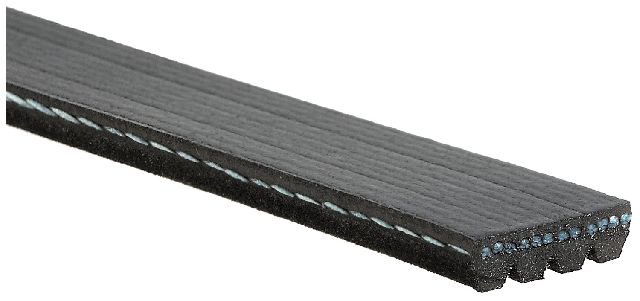
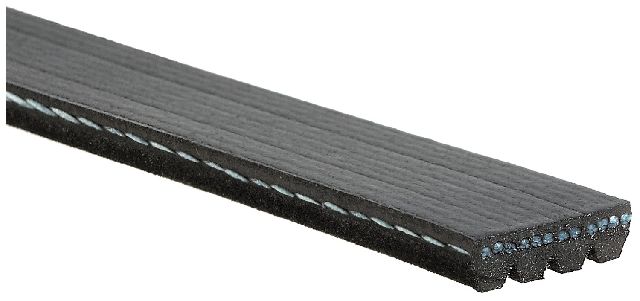
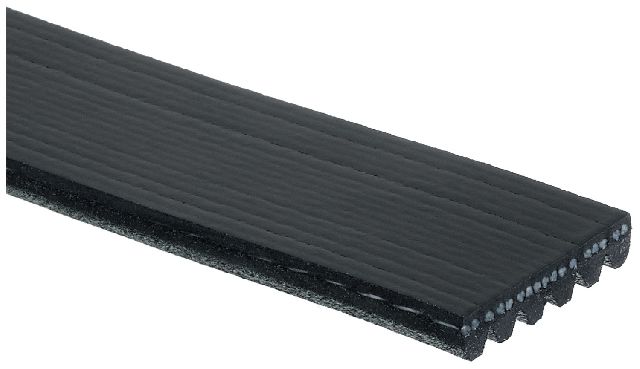
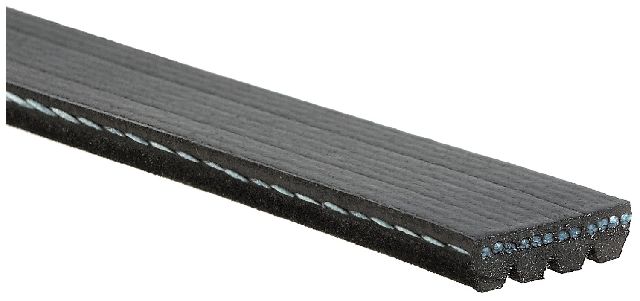
OEM Part Numbers: JK6867B 9L8Z8620C
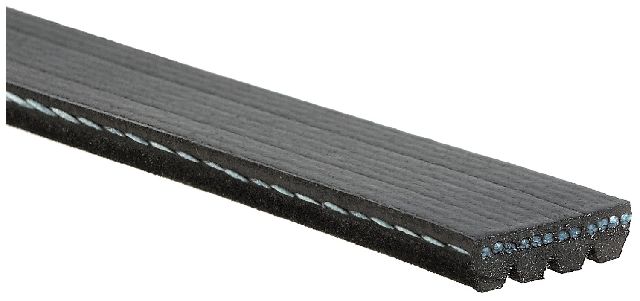
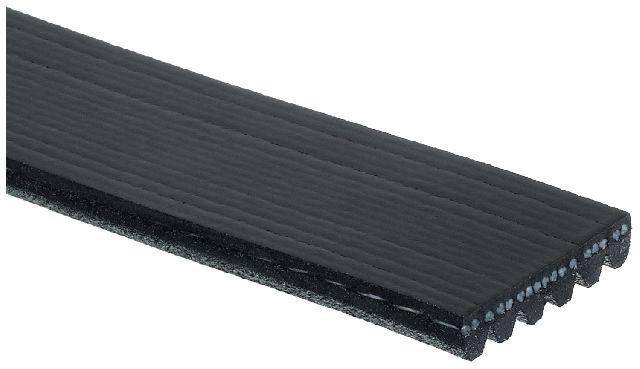
The 2017-2023 Ford Escape uses different serpentine belts depending on the engine (1.5L EcoBoost, 2.0L EcoBoost, 2.5L i-VCT). Some models may also use a separate stretch-fit belt for the A/C system. Always verify the correct part number for your vehicle's specific configuration.
We Have This Part in Stock

The information in this article is provided for general reference and educational purposes only. Vehicle specifications, procedures, and part compatibility can vary by production date, trim level, and region. Always consult your vehicle's factory service manual and verify part numbers before purchasing or performing repairs. Safety-critical components such as airbags, seat belts, and braking systems should be installed by a qualified professional.
- Ford Escape: