

Toyota Highlander Camshaft Position Sensor Guide (2017-2023)
Understand why this small sensor is critical for your Highlander's engine and how to choose the right replacement.
- Your Highlander's V6 engine has four camshaft sensors; two are easy to replace, two are difficult.
- Use an OBD-II scanner to identify the exact sensor that has failed before buying a part.
- For reliability, choose an OE-equivalent brand like Denso, especially for the hard-to-reach sensors.
- Symptoms include a check engine light, rough running, stalling, and difficulty starting.
Understanding Camshaft Sensor Failure in Your Highlander
When a camshaft position sensor starts to fail on your 2017-2023 Toyota Highlander, it sends incorrect data—or no data at all—to the engine computer. This can cause a range of problems from annoying to serious. The most common sign is the check engine light coming on. You might also notice the engine running rough, stalling, having trouble starting, or poor acceleration. 🎬 Watch: See how a bad sensor affects engine performance. Since the sensor is critical for engine timing, ignoring a failing one can lead to decreased fuel economy and potentially leave you stranded.
Your Highlander Has Four Camshaft Sensors
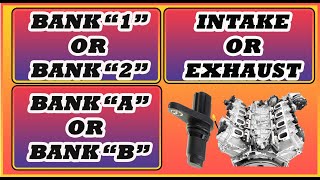
The 3.5L V6 engine in the 2017-2023 Highlander has four camshafts, and each one has its own position sensor. There are two intake sensors and two exhaust sensors. Two are on the front of the engine (Bank 2) and are easy to access, while two are on the back near the firewall (Bank 1) and are much harder to reach. It's crucial to identify which specific sensor has failed by using an OBD-II scanner to read the trouble code.
Choosing the Right Aftermarket Sensor
When replacing a critical sensor, quality matters. While you can save money with an aftermarket part, not all brands are created equal. For a Toyota, choosing a brand with a reputation for quality is highly recommended to avoid having to do the job twice.
Brand Quality Tiers
- Tier 1: OE-Equivalent Brands. Denso is the original equipment (OE) manufacturer for many Toyota parts, including sensors. Choosing a Denso sensor is the closest you can get to buying the part from a Toyota dealer. Other top-tier brands like Hitachi, NGK, and Delphi also have a strong reputation for producing reliable sensors that meet or exceed OE specifications. These are your safest bets for a long-lasting, trouble-free repair.
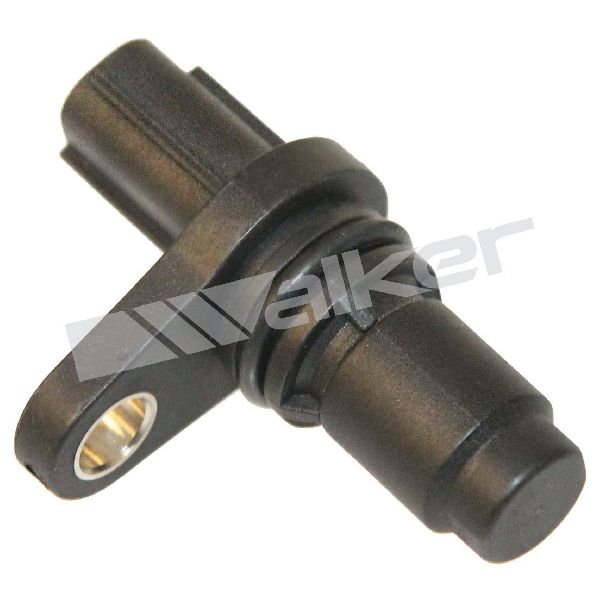
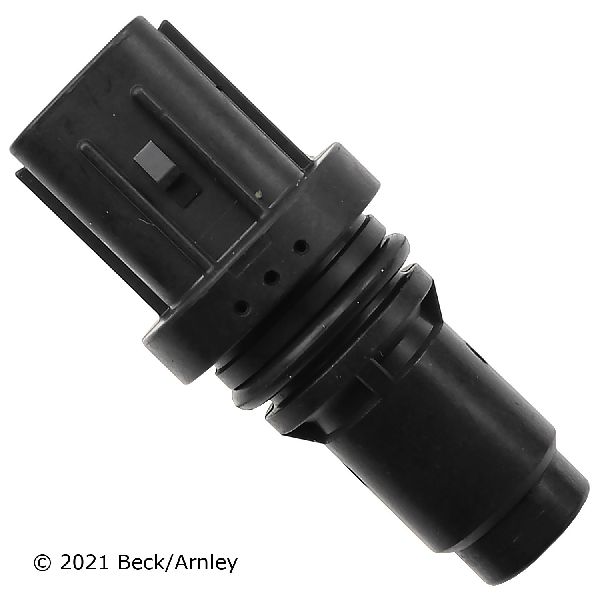
- Tier 2: Reputable Aftermarket Brands. Brands like Standard Ignition (SMP), Walker Products, and Beck Arnley are well-known in the aftermarket and generally produce reliable parts. Beck Arnley often sources parts from the original manufacturers, so you might even get an OE part in their box. These are solid choices if a Tier 1 brand isn't available.
- Tier 3: Value-Oriented Brands. Brands like Dorman, Spectra, Bremi, and others fall into this category. While they offer a significant cost saving, their quality can be inconsistent for electronic parts. For a sensor that is difficult to access, like the Bank 1 sensors on the Highlander, it's often worth spending more on a Tier 1 part to avoid potential repeat labor costs.
Pro Tip: Before replacing the sensor, check the wiring harness for any damage, especially from rodents who are known to chew on soy-based wire insulation. Also, a failing sensor can sometimes be a symptom of another issue, like dirty engine oil clogging the sensor's reading port. Always start with a proper diagnosis.
Known Issues, Recalls, or TSBs
Searches for the 2017-2023 Toyota Highlander did not reveal any specific recalls or widespread, common failures for the camshaft position sensors themselves on the NHTSA website. However, Toyota has issued Technical Service Bulletins (TSBs) for other models and years related to camshaft sensor timing performance codes, which are typically resolved with a software update to the engine's computer. There was also a recall for some 2020 Highlanders due to an ECU programming error that could cause the engine to stall, but this was not directly related to sensor hardware failure.
Cost of Replacing a Camshaft Position Sensor
The cost can vary widely based on which of the four sensors needs replacement, the brand of the part, and labor rates in your area. The sensors on the rear bank (Bank 1) are significantly more labor-intensive to replace.
| Part/Service | Estimated Cost |
|---|---|
| New OEM Sensor | $100 - $180 per sensor |
| New Aftermarket Sensor | $25 - $186 per sensor |
| Shop Labor (Front Sensors - Bank 2) | $70 - $140 |
| Shop Labor (Rear Sensors - Bank 1) | $150 - $300+ (may require intake manifold removal) |
Frequently Asked Questions
How many camshaft position sensors are in a 2017-2023 Highlander?
The standard 3.5L V6 engine has four camshaft position sensors: one for the intake and one for the exhaust camshaft on each of the two cylinder banks (Bank 1 and Bank 2).
Can I replace only the one bad sensor?
Yes. You only need to replace the specific sensor that has failed. An OBD-II scan tool will provide a diagnostic trouble code (DTC) that points to the specific sensor and its location (e.g., P0345 for Camshaft Position Sensor 'A' Circuit Bank 2).
Is it difficult to replace a camshaft sensor myself?
It depends on the location. The two sensors on the front of the engine (Bank 2) are easily accessible and held by a single 10mm bolt, making them a simple DIY job. 🎬 See this walkthrough for replacing the front bank sensors. The two sensors on the rear bank (Bank 1, near the firewall) are much more difficult to access and may require removing the intake manifold, which is a more advanced repair.
🎬 Watch: How to replace the difficult Bank 1 intake sensor.Is an OEM or Denso sensor really better for my Highlander?
For critical electronic sensors, using an OEM part or an OE-manufacturer part like Denso is highly recommended. These parts are built to Toyota's exact specifications and are less likely to fail prematurely, saving you from repeated repairs and potential driveability issues.
Helpful Videos
Technical Specifications
OEM Part Numbers: 90919-A5004 90919-A5003 90919-T5005
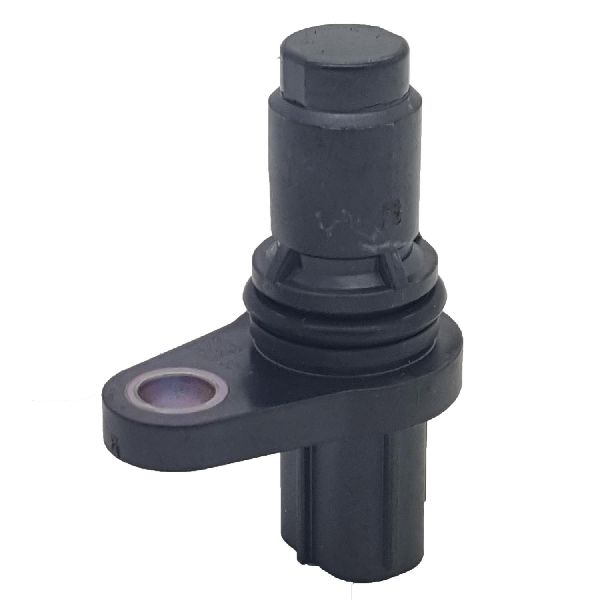
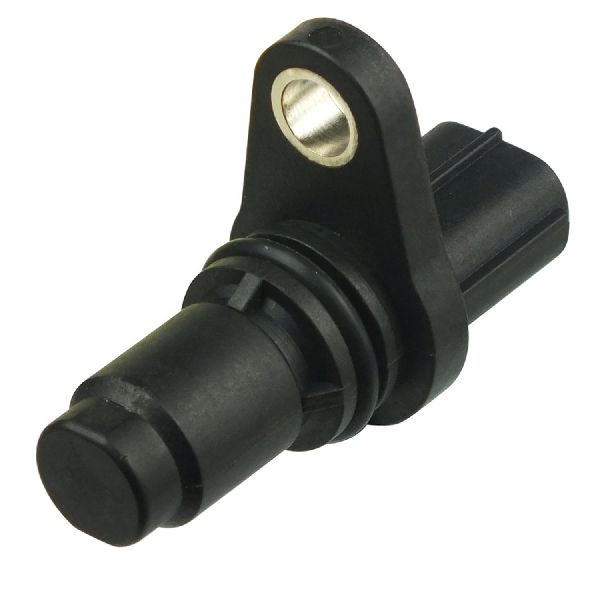
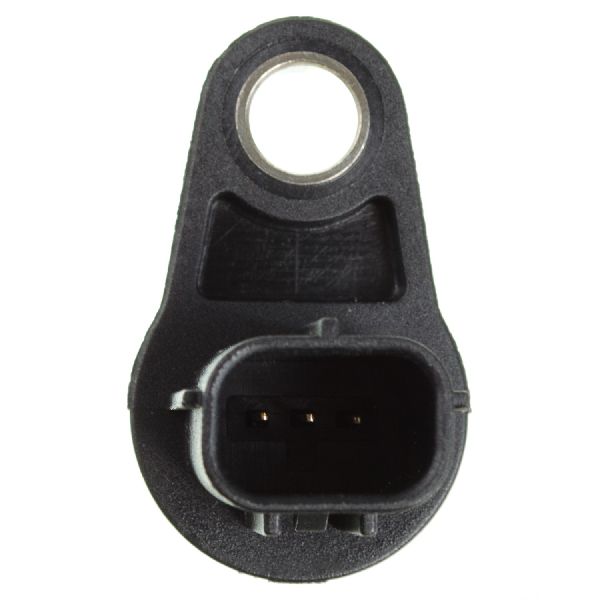
The 3.5L V6 (2GR-FKS) engine uses four sensors total. Two are straight-connector style and two are 90-degree angle connector style. Bank 1 is near the firewall, Bank 2 is at the front of the vehicle.
We Have This Part in Stock


The information in this article is provided for general reference and educational purposes only. Vehicle specifications, procedures, and part compatibility can vary by production date, trim level, and region. Always consult your vehicle's factory service manual and verify part numbers before purchasing or performing repairs. Safety-critical components such as airbags, seat belts, and braking systems should be installed by a qualified professional.
- Toyota Highlander:
- 🎬 Helpful Videos
- 🛍️ Shop This Part
- Understanding Camshaft Sensor Failure in Your Highlander
- Your Highlander Has Four Camshaft Sensors
- Choosing the Right Aftermarket Sensor
- Brand Quality Tiers
- Known Issues, Recalls, or TSBs
- Cost of Replacing a Camshaft Position Sensor
- Frequently Asked Questions
- 🎟️ Get 5% Off