

A Guide to Oxygen and Air-Fuel Sensors for the 2017-2023 Toyota Tacoma
Is your check engine light on? Your Tacoma's oxygen sensor might be the reason.
- Stick with Denso or NGK/NTK brand sensors for your Tacoma; Denso is the original manufacturer and ensures compatibility.
- A Check Engine Light with code P0420 or P0430 is a common symptom, but check for exhaust leaks before replacing parts, per Toyota's TSB.
- Your Tacoma V6 has four sensors: two upstream (A/F sensors) and two downstream (O2 sensors). Identify the correct one before buying.
- Replacing an oxygen sensor is a manageable DIY task with an O2 sensor socket, but rust can make it difficult.
Understanding Oxygen Sensor Failure in Your Tacoma

Oxygen sensors, or O2 sensors, live in a harsh environment inside your truck's exhaust pipes. Over time, they wear out from heat and contamination. A failing sensor can't send accurate information to your truck's computer, which can lead to a variety of noticeable problems. Ignoring a bad O2 sensor can lead to more expensive repairs down the road, including damage to your catalytic converters.
Symptoms of a Bad Oxygen Sensor

The most common sign of a failing oxygen sensor is a steady Check Engine Light on your dashboard. Other symptoms you might notice include:
- Worse gas mileage
- A rough or uneven idle
- The engine hesitates or stumbles when you accelerate
- A strong smell of gasoline or rotten eggs from the exhaust
Common Trouble Codes
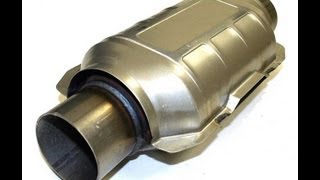
A code reader might show codes like P0420 or P0430, which point to the catalytic converter's efficiency. While these codes can mean a bad converter, they are often triggered by a failing downstream oxygen sensor or even an exhaust leak. Other codes like P013A, P013C, P0160, and P0161 directly point to the oxygen sensors themselves.
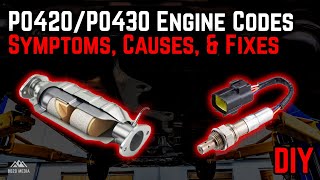
🎬 Watch: How to diagnose P0420 and P0430 codes like a proChoosing the Right Aftermarket Oxygen Sensor

When it comes to sensors for your Tacoma, brand quality matters. Toyotas can be sensitive to electronic parts, and using a high-quality sensor is key to avoiding future headaches.
Brand Tiers for Your Tacoma
Tier 1: OEM-Equivalent (Highly Recommended)
- Denso: Denso is the original equipment manufacturer (OEM) for Toyota. Choosing a Denso sensor is like getting the same part from the dealer without the dealer price. This is the top choice for reliability and compatibility.
- NGK (also known as NTK): NGK/NTK is another highly respected Japanese brand that makes OEM-quality sensors. They are considered an excellent alternative to Denso and are trusted by many Toyota specialists.
Tier 2: Reputable Aftermarket (Use with Caution)
- Bosch: Bosch is a major manufacturer of quality auto parts. However, many Toyota owners and mechanics report that Japanese vehicles run best on Japanese electronics. While a quality part, it's generally recommended to stick with Denso or NGK for your Tacoma.
Tier 3: Economy Brands (Not Recommended)
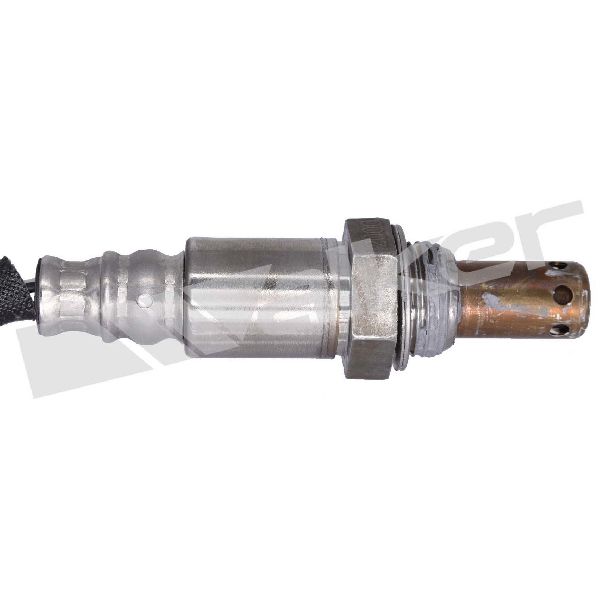
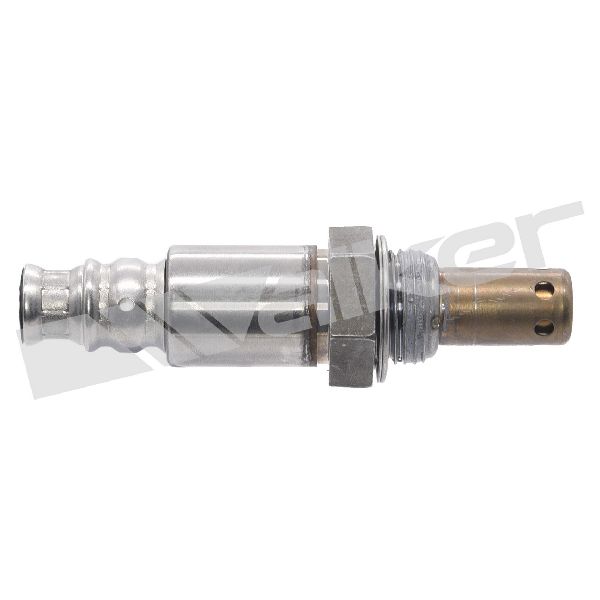
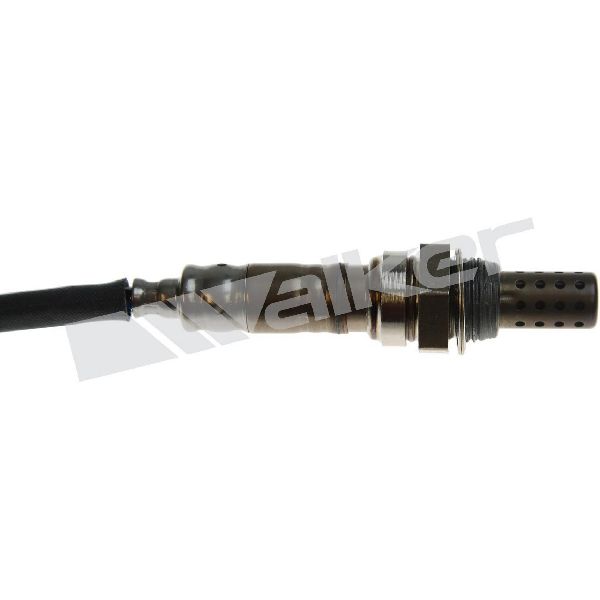
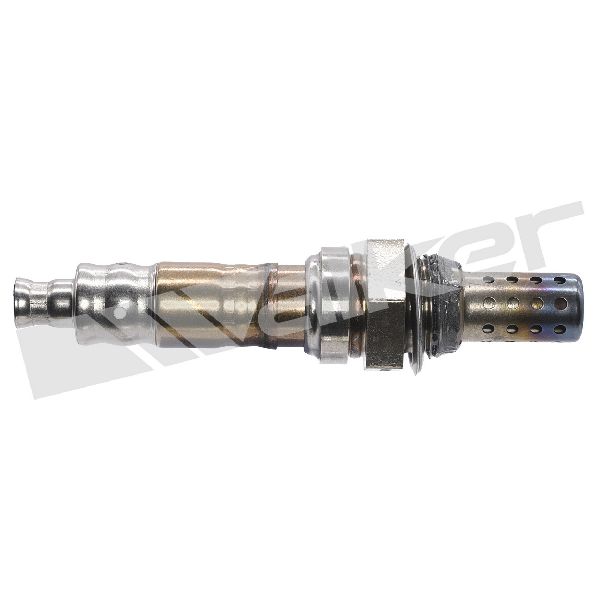
- Brands like DriveWire, Facet, Spectra, and Walker Products fall into this category. While the low price is tempting, these sensors have a higher rate of being faulty out of the box or failing prematurely. Using these can lead to wasted time and money, and you may find yourself doing the job twice.
A Note on Exhaust Leaks (TSB T-TT-0686-22)
Toyota issued a Technical Service Bulletin (TSB) for the 2016-2022 Tacoma regarding oxygen sensor codes. It states that codes like P0420 can be caused by small leaks in the exhaust system from bad welds or gaskets. Before you replace any sensors, it's a good idea to have your exhaust system checked for leaks, as this could be the real source of your problem.
| Item | Estimated Cost |
|---|---|
| New Aftermarket Sensor (Tier 1) | $50 - $227 |
| New OEM Sensor (Dealer) | $175 - $330 |
| Shop Labor | $100 - $200 |
| Total Professional Replacement | $150 - $600 |
Frequently Asked Questions

Which sensor do I need? Upstream or Downstream?
Your Tacoma V6 has four sensors: two upstream (Bank 1 and Bank 2) and two downstream (Bank 1 and Bank 2). Upstream sensors are also called Air/Fuel Ratio sensors. Downstream sensors are simply called Oxygen sensors. Bank 1 is on the passenger side of the engine, and Bank 2 is on the driver's side. The code from your scan tool will tell you which specific sensor is having a problem (e.g., "Bank 2, Sensor 2" refers to the downstream sensor on the driver's side).
🎬 See this video to find the exact location of your sensorsCan I replace just one oxygen sensor?
Yes. You only need to replace the sensor that has failed. They do not need to be replaced in pairs or all at once. However, they have a similar lifespan, so if one fails, another may not be far behind.
Is this a difficult DIY job?
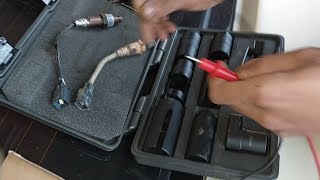
For a home mechanic with the right tools, this is a very doable job. The main challenge is often reaching the sensor and getting enough leverage to unscrew it from the hot exhaust pipe. A special tool called an oxygen sensor socket is highly recommended. 🎬 Watch: Step-by-step walkthrough for replacing your Air/Fuel ratio sensor Letting the exhaust cool down is important for safety, but sometimes a slightly warm pipe can make the sensor easier to remove.
Are there any recalls for Tacoma oxygen sensors?
No, there are no active recalls for oxygen sensors on the 2017-2023 Toyota Tacoma. The most relevant official document is a Technical Service Bulletin (TSB) that warns about exhaust leaks causing similar symptoms.
Helpful Videos
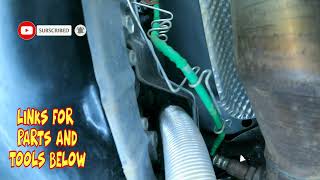
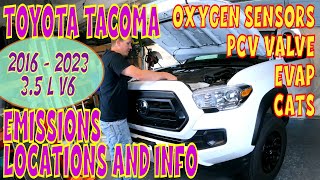
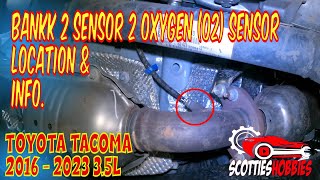
Technical Specifications
OEM Part Numbers: 89467-04130 89465-04450 89467-35011 89465-04420 89465-04430 89467-04120 89467-04140
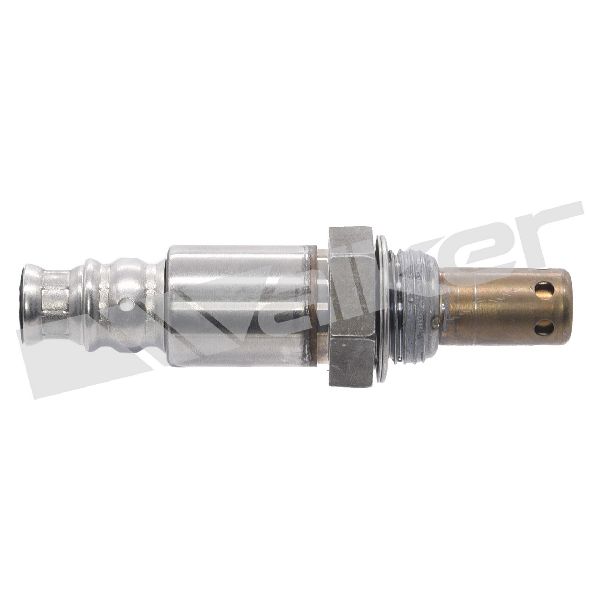
The 3.5L V6 Tacoma uses four sensors: two upstream wide-band Air-Fuel Ratio (A/F) sensors and two downstream narrow-band Oxygen (O2) sensors. The 2.7L 4-cylinder also uses upstream and downstream sensors. Connectors and wire lengths are specific to each location.
We Have This Part in Stock

The information in this article is provided for general reference and educational purposes only. Vehicle specifications, procedures, and part compatibility can vary by production date, trim level, and region. Always consult your vehicle's factory service manual and verify part numbers before purchasing or performing repairs. Safety-critical components such as airbags, seat belts, and braking systems should be installed by a qualified professional.
- Toyota Tacoma: