

Alfa Romeo Giulia Engine Camshaft Position Sensor: A Complete Guide (2017-2024)
Experiencing stalling or a check engine light in your Giulia? Your camshaft position sensor could be the culprit.
- A failing camshaft sensor will most often cause a Check Engine Light, stalling, rough idle, and starting issues.
- This is a very DIY-friendly repair, typically requiring only the removal of a single bolt and electrical connector.
- For a critical sensor on the Giulia, choose a premium aftermarket brand like Delphi, NGK, or Hitachi to ensure reliability.
- Before buying a new part, always check the sensor's wiring and connector for damage, as this can cause the same symptoms.
Symptoms of a Failing Camshaft Position Sensor in a Giulia
When a camshaft position sensor starts to fail, it sends incorrect or no data to the engine's computer. This can cause a range of noticeable problems. The most common sign is the Check Engine Light turning on. You may also experience drivability issues like a rough idle, engine sputtering, hesitation when you press the gas, or a general lack of power. In more serious cases, the engine might stall unexpectedly while driving or at a stoplight, or it may crank for a long time before starting—or not start at all.
Is It Safe to Drive?
It is not recommended. A failing camshaft position sensor can cause your Giulia's engine to stall without warning, which is a serious safety risk in traffic. It's best to get the vehicle inspected and repaired as soon as possible.
Choosing the Right Aftermarket Camshaft Sensor
While an OEM sensor from an Alfa Romeo dealer is an option, high-quality aftermarket parts can offer the same performance for less money. For critical electronic sensors like this, it's important to choose a reputable brand to avoid compatibility issues. Aftermarket brands can generally be grouped into quality tiers.
Premium & OEM-Equivalent Brands
These brands are often original equipment manufacturers (OEMs) for many car companies, and their parts are known for high quality and reliability. They are a safe bet for a direct, trouble-free replacement.
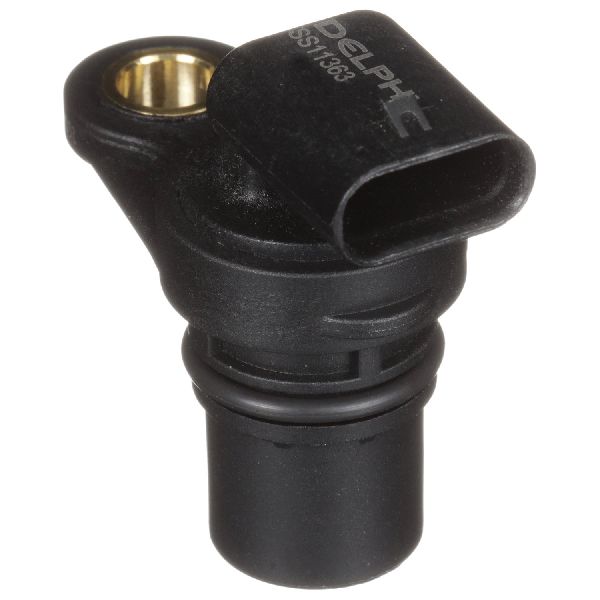
- Delphi: A well-regarded brand that often supplies factory parts to European automakers. Their sensors are built to match factory performance specifications.
- NGK: Famous for spark plugs and ignition components, NGK is a top-tier manufacturer. It's common for their parts to be identical to the dealer part, just in a different box.
- Hitachi: Another major OEM supplier known for reliable electronic components.
Standard Aftermarket Brands
These brands offer a good balance of quality and value. They are a dependable choice for most repairs.
- Standard Ignition (Standard Motor Products): A long-standing brand in the aftermarket with a reputation for consistent, reliable parts.
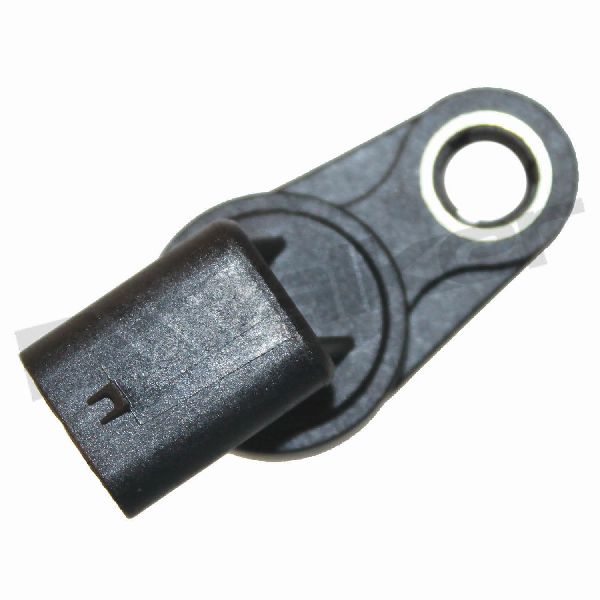
- Walker Products: Often cited as a quality aftermarket option for sensors.
- Holstein: Provides direct-fit sensors that are a cost-effective alternative to premium brands.
Economy Brands
Brands like True Tech fall into this category, offering the lowest price point. While tempting, for a critical sensor on a performance-oriented car like the Giulia, it is generally recommended to invest in a premium or standard brand to ensure long-term reliability and avoid potential issues.
Pro Tip: Before replacing the sensor, always inspect the wiring and connector first. A loose connection, corroded pin, or damaged wire can cause the same symptoms as a failed sensor and is a much cheaper fix.
Typical Replacement Costs
The cost to replace a camshaft position sensor on a 2017-2024 Alfa Romeo Giulia can vary. The part itself is not expensive, but labor rates differ by shop.
| Item | Estimated Cost |
|---|---|
| New Aftermarket Part | $20 - $50 |
| New OEM Part | $35 - $75 |
| Shop Labor | $75 - $150 |
| Total Estimated Cost (Aftermarket Part + Labor) | $95 - $200 |
Note: Labor costs are an estimate for the physical replacement, which is a quick job. Diagnostic time may add to the total cost if the problem is not straightforward.
Frequently Asked Questions
Where is the camshaft position sensor located on the Alfa Romeo Giulia?
The camshaft position sensor is typically mounted on the engine's cylinder head or valve cover, near the top of the engine. On many modern Alfa/Fiat engines, it is held in by a single bolt, making it relatively easy to access and replace.
Are there any recalls for the Giulia's camshaft position sensor?
No. As of early 2026, there are no specific NHTSA recalls for the engine camshaft position sensor on the 2017-2024 Alfa Romeo Giulia. Recalls have been issued for other components, but not this sensor.
Can I replace the camshaft position sensor myself?
Yes, this is a very DIY-friendly repair for most home mechanics. The job typically requires only basic hand tools to remove the engine cover (if necessary), unclip the electrical connector, and remove one bolt. Always disconnect the negative battery terminal before starting work.
What's the difference between a camshaft and crankshaft sensor?
They work together. The camshaft sensor tracks the position of the camshaft (which controls the valves), while the crankshaft sensor tracks the position of the crankshaft (which is connected to the pistons). The ECM compares both signals to ensure the engine's timing is perfectly synchronized. A failure in either sensor can cause similar symptoms.
Does my Giulia have one or two camshaft position sensors?
It depends on your engine. The 2.0L 4-cylinder engine will typically have one or two sensors (one for the intake camshaft, one for the exhaust). The 2.9L V6 in the Quadrifoglio model has two separate cylinder banks (Bank 1 and Bank 2) and will have at least two sensors, possibly four. A code like P0345 specifically refers to a problem on Bank 2, which would only apply to the V6 engine.
Technical Specifications
OEM Part Numbers: 68080819AC
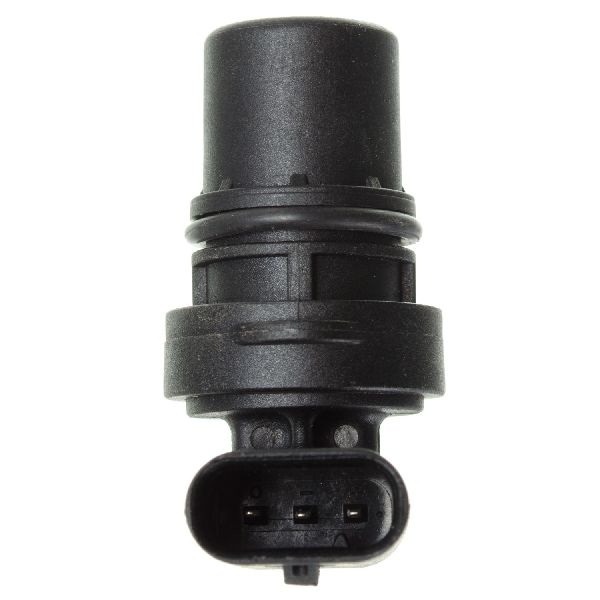
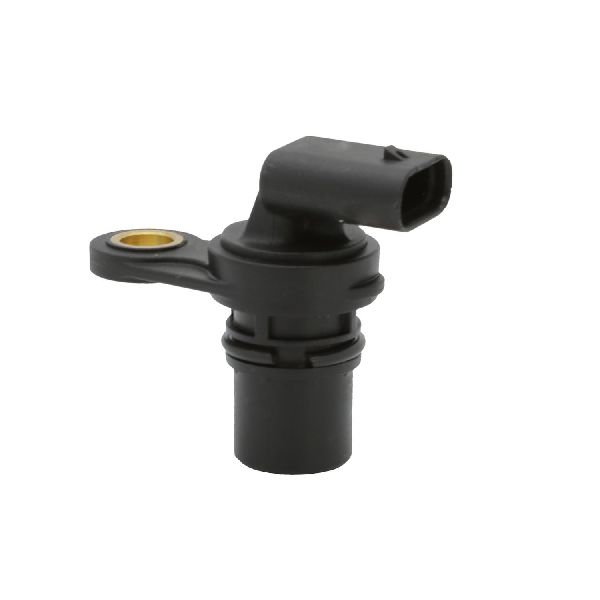
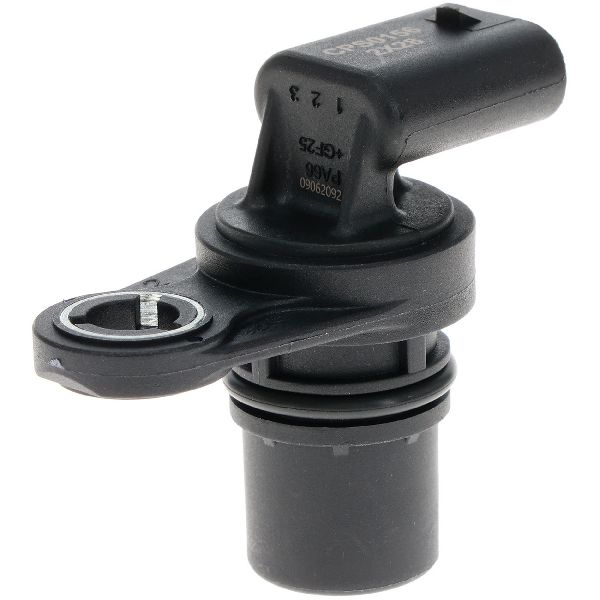
The sensor is typically a Hall-effect or magnetic reluctance sensor that generates a voltage signal as the camshaft rotates. It is a direct-fit part with a specific electrical connector for the Giulia's wiring harness.
We Have This Part in Stock


The information in this article is provided for general reference and educational purposes only. Vehicle specifications, procedures, and part compatibility can vary by production date, trim level, and region. Always consult your vehicle's factory service manual and verify part numbers before purchasing or performing repairs. Safety-critical components such as airbags, seat belts, and braking systems should be installed by a qualified professional.
- Alfa Romeo Giulia: