

Audi Q5 A/C Receiver Drier & Desiccant Element Guide (2017-2024)
Is your Q5's air conditioning weak or failing? This small part plays a big role in keeping you cool.
- On the 2017-2024 Q5, this part is a desiccant bag inside the condenser, not a separate canister.
- It is mandatory to replace this part anytime the A/C system is opened for repairs to protect your investment.
- Weak A/C on a Q5 could be a known evaporator leak issue; proper diagnosis is crucial before replacing parts.
- This is not a DIY job. It requires special equipment for handling refrigerant and should be done by a professional.
Understanding the A/C Desiccant Element in Your Q5
When your Audi Q5's air conditioning isn't blowing as cold as it used to, many different parts could be the cause. One critical component that is often overlooked is the A/C receiver drier, which in your Q5 is a desiccant element. This isn't a large, separate canister like on older cars; it's a service part that lives inside the A/C condenser. Its only job is to absorb moisture and filter refrigerant. It is a maintenance part that must be replaced any time the A/C system is opened to the atmosphere, such as during a compressor or condenser replacement.
Symptoms of a Failing A/C Desiccant Element
A receiver drier or desiccant bag rarely fails on its own. Its failure is usually a sign of a different problem or a result of the system being opened for service and the bag not being replaced. When it does fail, you might notice:
- Poor Cooling Performance: A desiccant bag that has broken apart can clog the system, restricting the flow of refrigerant and reducing cooling.
- Musty or Moldy Smell: If the desiccant becomes saturated, it can't absorb any more moisture. This can lead to a mildew smell from the vents when you run the A/C.
- Rattling Sounds: In a severe failure, the desiccant bag can rupture, sending tiny beads throughout the A/C system. This can cause rattling noises and will lead to catastrophic failure of other components.
Known Issue: A/C Evaporator Leaks on the 2017-2024 Q5
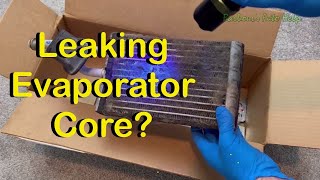
Before you assume the desiccant drier is the problem, be aware of a known issue with this generation of Audi Q5. Audi has issued a Technical Service Bulletin (TSB 87 25 98) for insufficient cooling caused by leaks in the A/C evaporator. 🎬 See this guide for diagnosing a leaking evaporator core This is a much more involved and expensive repair. Symptoms are very similar to other A/C failures, including a gradual loss of cooling as refrigerant leaks out. If your A/C is not working, it's critical that a technician performs a proper leak test to identify the true source of the problem 🎬 Watch: How to identify a leaking A/C evaporator before replacing any parts.
Choosing the Right Aftermarket Desiccant Element
Since the desiccant element is a simple filter and drying agent, this is one area where an aftermarket part can provide significant savings without a major compromise in quality. The key is to buy from a reputable manufacturer.
- OEM (Original Equipment Manufacturer): The Genuine Audi part is available, but you are paying a premium for the brand name on a simple part.
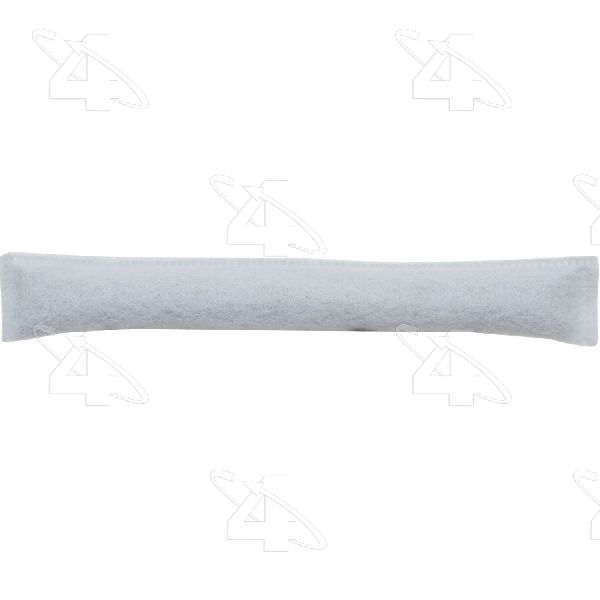
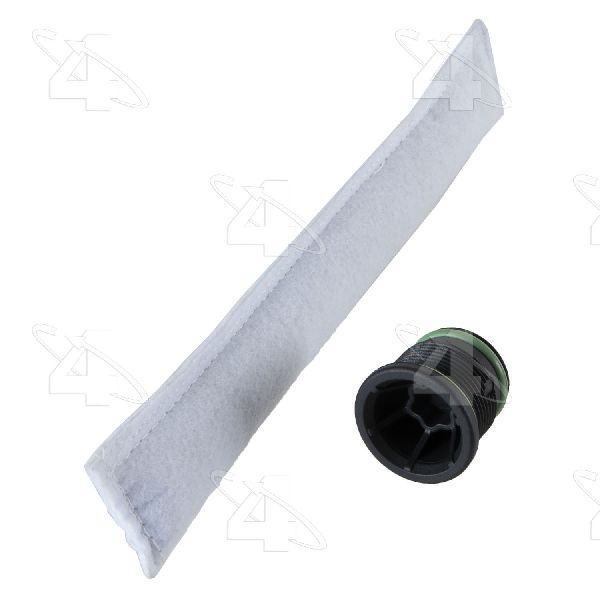
- Four Seasons: As a major aftermarket supplier, Four Seasons produces parts in ISO/TS16949 certified facilities. They are a well-known and generally trusted brand for A/C components and represent a good balance of quality and value.
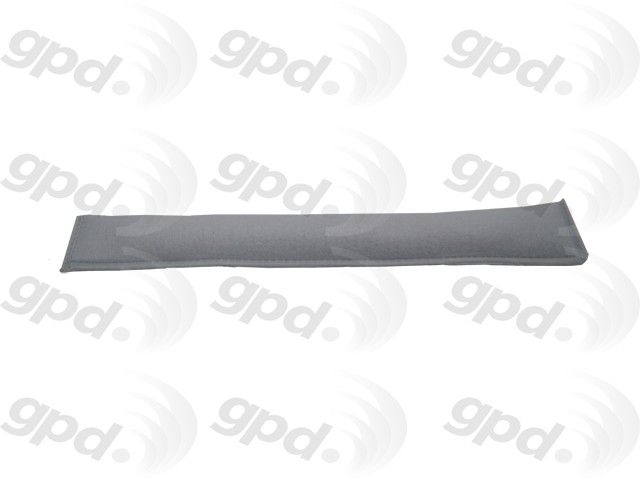
- Global Parts (GPD): GPD is another common aftermarket brand offering a direct-fit replacement with OE-quality desiccant. It is a standard, budget-friendly option.
Pro Tip: The warranty on a new A/C compressor is almost always voided if you do not also replace the receiver drier/desiccant element at the same time. Do not skip this inexpensive part during a major A/C repair.
Cost of Replacing the Audi Q5 A/C Desiccant Element
It is important to understand that this part is almost never replaced by itself. The labor cost to access it requires opening the A/C system, which is the same labor involved in replacing the condenser. Therefore, the cost is almost always part of a larger repair.
| Part / Service | Estimated Cost |
|---|---|
| New Aftermarket Desiccant Element (Part Only) | $13 - $25 |
| New OEM Desiccant Element (Part Only) | $45 - $75 |
| Shop Labor (Including Evacuate & Recharge) | $150 - $395 |
Frequently Asked Questions
When should I replace the A/C desiccant element?
You must replace the desiccant element any time the A/C system is opened for service, such as when replacing a hose, condenser, or compressor. The desiccant material will become fully saturated with moisture from the air within a few hours, making it useless if reused.
Is replacing the desiccant element a DIY job?
No. This job requires specialized equipment to safely recover the refrigerant from the system and then recharge it after the repair. Handling refrigerant without proper training and certification is illegal and dangerous. This job should be left to a qualified mechanic.
My mechanic says my whole condenser needs to be replaced. Why?
On many modern vehicles like your Q5, the receiver drier/desiccant bag is integrated into the condenser. While the bag itself is replaceable, some shops may prefer or find it more efficient to replace the entire condenser assembly, which comes with a new desiccant element already installed.
Could a bad A/C pressure sensor cause similar issues?
Yes. There is a known issue with the A/C pressure/temperature sensor (G395) on these vehicles, which can leak or send incorrect signals, causing the A/C to stop working. Some owners on forums have also reported having this sensor replaced to fix A/C problems. 🎬 Watch: Troubleshooting the G395 A/C pressure sensor This is another reason why a proper diagnosis is essential.
Helpful Videos
Technical Specifications
OEM Part Numbers: 8W0298403
Desiccant bag element with plug and seals. Designed to be installed inside the A/C condenser assembly.
We Have This Part in Stock

The information in this article is provided for general reference and educational purposes only. Vehicle specifications, procedures, and part compatibility can vary by production date, trim level, and region. Always consult your vehicle's factory service manual and verify part numbers before purchasing or performing repairs. Safety-critical components such as airbags, seat belts, and braking systems should be installed by a qualified professional.
- Audi Q5:
- 🎬 Helpful Videos
- 🛍️ Shop This Part
- Understanding the A/C Desiccant Element in Your Q5
- Symptoms of a Failing A/C Desiccant Element
- Known Issue: A/C Evaporator Leaks on the 2017-2024 Q5
- Choosing the Right Aftermarket Desiccant Element
- Cost of Replacing the Audi Q5 A/C Desiccant Element
- Frequently Asked Questions
- 🎟️ Get 5% Off