

A/C Compressor Replacement Guide for the 2017-2024 Audi Q7
Is your Audi Q7's air conditioning blowing warm? Here is what you need to know before replacing the A/C compressor.
- The most common sign of failure is warm air from the vents, but check simpler parts like relays and pressure switches first.
- When replacing the compressor, you must also replace the receiver/drier to ensure the new part lasts and the warranty is valid.
- Brands like Valeo, Mahle, and Bosch offer OEM-level quality, while Nissens is a solid mid-tier choice.
- Replacement is a complex job requiring special tools to handle refrigerant; it is not recommended for most DIY mechanics.
Is Your Audi Q7 A/C Blowing Warm Air?

When the air conditioning in a premium SUV like the Audi Q7 stops working, it's a frustrating experience. The most common cause for an A/C system that blows warm or isn't as cold as it used to be is often related to the A/C compressor. This component works hard to keep you comfortable, and over time, it can wear out. In Audis, compressors may start to show signs of failure between 80,000 and 120,000 miles.
Common Symptoms of a Failing A/C Compressor

Before the compressor fails completely, it will usually give you a few warning signs. Paying attention to these can help you diagnose the problem correctly.
- Warm Air From Vents: This is the most obvious symptom. If the air isn't getting cold, the compressor may not be pressurizing the refrigerant correctly.
- Strange Noises: Listen for rattling, grinding, or squealing sounds from the engine bay when you turn the A/C on. These noises often point to failing internal bearings or a bad clutch.
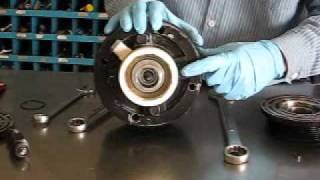
- Compressor Clutch Not Engaging: The compressor has a clutch on its pulley that engages when you turn on the A/C. You should hear a 'click' and see the center plate of the pulley start to spin. If it doesn't move, there could be an electrical issue or the clutch itself has failed.
- Visible Refrigerant Leaks: You might see a greasy, oily residue on the compressor body. This is often refrigerant oil leaking from failing seals.
Check Simpler Parts First
Sometimes, the compressor itself is fine. The problem could be a less expensive component like a faulty A/C pressure switch, a bad relay, or a specific control valve on the compressor (often called the N280 valve). It's wise to have a technician diagnose the system properly before assuming the entire compressor needs replacement.
Choosing the Right Aftermarket A/C Compressor

When replacing the A/C compressor on your Q7, you don't have to buy the expensive part from the dealer. Many aftermarket brands offer excellent quality, and some are even the original equipment manufacturer (OEM). The OEM compressor for the Q7 is made by Denso. Here’s how the brands stack up.
| Brand Tier | Brands | Quality & Notes |
|---|---|---|
| OEM / Premium Aftermarket | Valeo, Mahle, Bosch | These brands are often original suppliers to Audi and other German automakers. They offer dealer-level quality, fit, and durability. Valeo and Mahle are highly regarded choices for European vehicles. |
| Quality Aftermarket | Nissens | Nissens is a well-respected brand in the A/C and cooling system world. They provide a reliable product that meets or exceeds OEM specifications, making them a solid, dependable choice. |
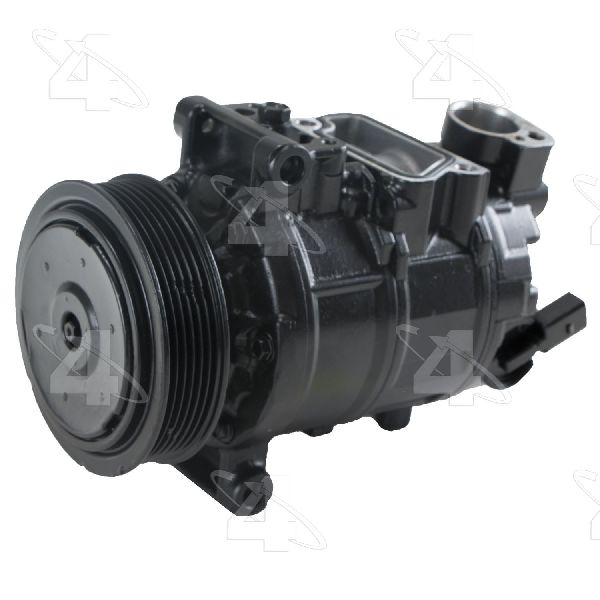
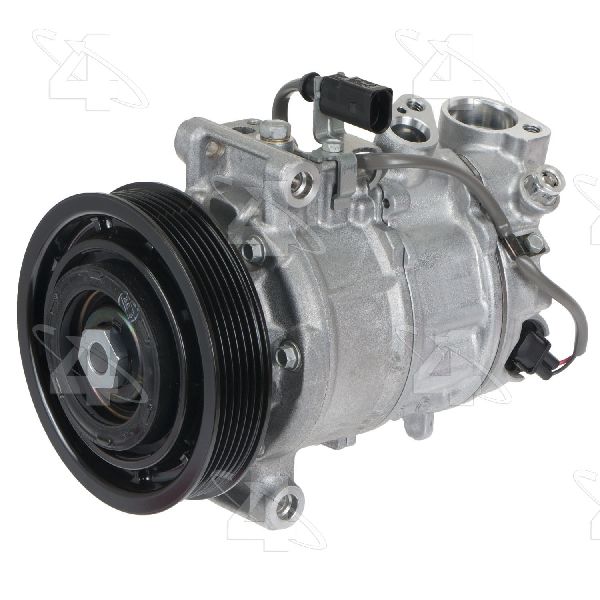
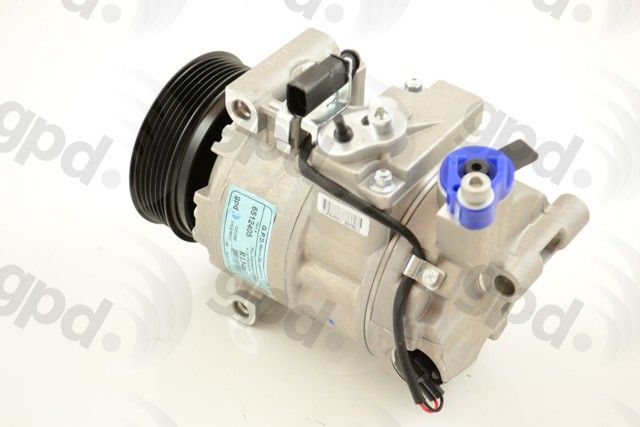
| Value Aftermarket | Four Seasons, Global Parts (GPD) | These brands offer a more budget-friendly option. However, reviews can be mixed, with some users reporting issues like noisy operation or premature failure. They can be a viable choice if cost is the primary concern, but may not match the longevity of premium brands. |
Always Replace the Receiver/Drier
When you replace the A/C compressor, you MUST also replace the receiver/drier (also called an accumulator). Failure to do so can cause your new compressor to fail quickly and will void the warranty on the new part. It's also best practice to flush the system and replace the expansion valve.
Known Issues: Technical Service Bulletins (TSBs)

Audi has released several TSBs related to the A/C system in the Q7. While there are no direct recalls for the compressor, these bulletins show known issues. For example, TSB 2063575/2 addresses complaints of the A/C not cooling and points to an improved evaporator core design to prevent leaks. Another TSB, 2041717/4, requires technicians to run a specific diagnostic test before replacing a compressor under warranty, showing that proper diagnosis is critical.
Frequently Asked Questions (FAQ)
How much does it cost to replace an Audi Q7 A/C compressor?
Dealer replacement can be very expensive, with quotes sometimes reaching over $3,000. An independent shop will typically charge between $1,200 and $2,000, depending on labor rates. If you buy an aftermarket compressor ($290 - $750) and do it yourself, you can save significantly, but you will need specialized A/C service tools.
Can I replace the Q7 A/C compressor myself?
This is a moderately difficult job for an experienced DIYer. The compressor is replaced from underneath the vehicle. The main challenge is that the A/C system must be professionally evacuated of refrigerant before you start and then properly vacuumed and recharged after the new compressor is installed. This requires special equipment.
Do I need to add oil to my new compressor?
Yes, but you must verify the correct amount. New compressors often come with shipping oil, not the correct charge for your vehicle. The correct procedure is to drain the oil from the old compressor to measure how much was in the system, then drain the shipping oil from the new compressor and add the same amount of fresh, correct-spec PAG oil.
My A/C is weak, but the compressor seems to be working. What else could it be?
Weak cooling can also be caused by a low refrigerant charge due to a leak somewhere else in the system (like the condenser or evaporator), a clogged cabin air filter, or a dirty condenser that can't release heat effectively. It could also be a failing pressure switch or control valve.
Helpful Videos
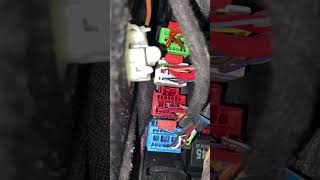
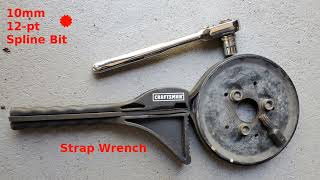
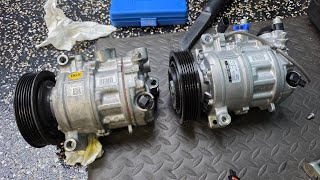
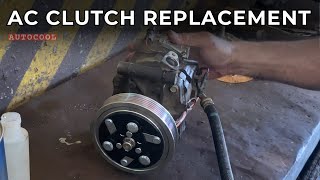
Technical Specifications
OEM Part Numbers: 4M0820803M
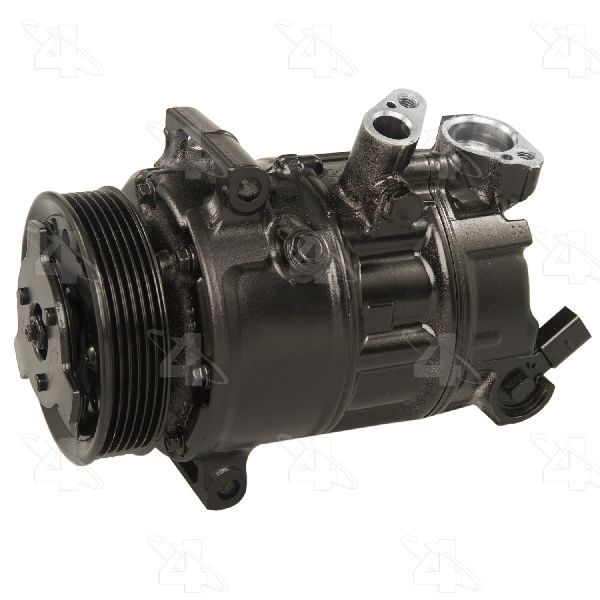
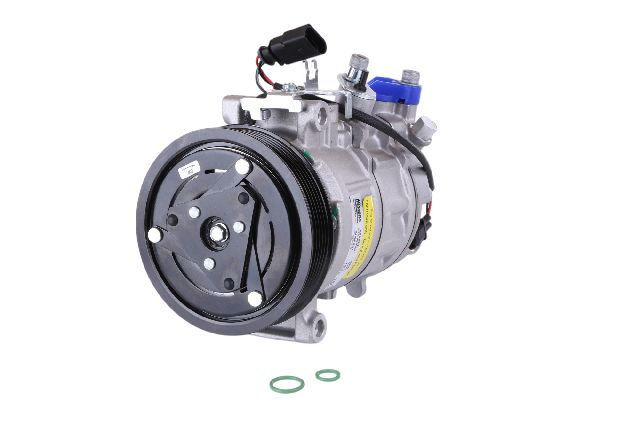
Compressor Type: Denso 6SAS14C or 6SES14C. Refrigerant Type: R134a or R1234yf (check vehicle sticker). Oil Type: PAG YF 46 / ND-OIL 8.
We Have This Part in Stock

The information in this article is provided for general reference and educational purposes only. Vehicle specifications, procedures, and part compatibility can vary by production date, trim level, and region. Always consult your vehicle's factory service manual and verify part numbers before purchasing or performing repairs. Safety-critical components such as airbags, seat belts, and braking systems should be installed by a qualified professional.
- Audi Q7:
- 🎬 Helpful Videos
- 🛍️ Shop This Part
- Is Your Audi Q7 A/C Blowing Warm Air?
- Common Symptoms of a Failing A/C Compressor
- Check Simpler Parts First
- Choosing the Right Aftermarket A/C Compressor
- Always Replace the Receiver/Drier
- Known Issues: Technical Service Bulletins (TSBs)
- Frequently Asked Questions (FAQ)
- 🎟️ Get 5% Off