

A Comprehensive Guide to the Serpentine Belts on Your 2017-2024 Audi Q7
Understanding the critical serpentine belts in your Q7's engine and how to choose the right replacement.
- Your 2017-2024 Audi Q7 (especially 3.0T models) likely has two serpentine belts: one for accessories and one for the supercharger.
- It is highly recommended to replace belts, tensioners, and idler pulleys together to avoid future failures.
- Continental is considered an OEM-equivalent brand, while Gates is another top-tier choice for this vehicle.
- Due to the complexity and need for special tools, this is a job best left to a professional mechanic for most owners.
Is Your Serpentine Belt Failing?

A failing serpentine belt gives clear warning signs. Ignoring them can lead to a breakdown, as a snapped belt will instantly stop charging your battery and cooling your engine. Listen and look for these symptoms:
- Squealing or Chirping Noises: This is the most common sign. You may hear a high-pitched squeal from the engine bay, especially on startup or when accelerating. This noise often indicates the belt is slipping because it's worn or the tensioner is weak.
- Battery Warning Light: The serpentine belt drives the alternator. If the belt slips or breaks, the alternator stops charging the battery, triggering the battery warning light on your dashboard.
- Engine Overheating: The main belt also powers the water pump, which circulates coolant. If this belt fails, the engine can overheat quickly, causing serious damage.
- Loss of Power Steering or A/C: Since the belt powers the power steering pump and A/C compressor, you might notice the steering becomes heavy or the air conditioning stops blowing cold air.
- Visible Wear: Look at the belts. If you see cracks, fraying, missing ribs, or a shiny, glazed surface, it's time for a replacement.
Choosing the Right Aftermarket Serpentine Belt

You don't have to buy a genuine Audi belt to get top quality. Many aftermarket brands meet or exceed OEM standards. For a European vehicle like the Audi Q7, some brands are known to be original equipment suppliers.
Brand Tiers for Your Audi Q7
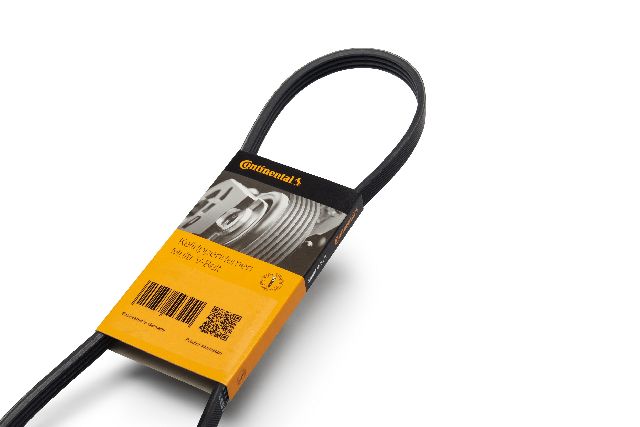
- OEM-Equivalent (Top Tier): Continental is a well-regarded brand and is often the original equipment manufacturer for many German cars. Choosing a Continental belt is the closest you can get to buying the genuine part from the dealer, often at a lower price.
- High-Quality Aftermarket (Top Tier): Gates is a massive, reputable manufacturer of belts and hoses. Mechanics trust Gates for its quality and durability across all vehicle makes, and it's an excellent choice for the Q7.
- Standard Aftermarket (Good Tier): Dayco is another major brand that produces reliable belts. While some users have personal preferences for other brands, Dayco belts are a solid, budget-friendly option that will perform well.
A Note on Q7 Belt Systems
Many Audi Q7 models, particularly the 3.0T V6, use two belts: a main accessory belt and a separate supercharger belt. When ordering, make sure you are buying the correct belt or both if you plan to replace them together. It is highly recommended to replace both belts at the same time, along with their tensioners and idler pulleys, for a complete and lasting repair.
Serpentine Belt Replacement Costs for Audi Q7
The cost can vary based on whether you're replacing one or both belts and if you're also replacing tensioners and pulleys.
| Part/Service | Estimated Cost |
|---|---|
| New Aftermarket Serpentine Belt (Each) | $18 - $73 |
| New OEM Serpentine Belt (Each) | $80 - $115 |
| Shop Labor | $175 - $260 |
| Total Professional Replacement (Parts & Labor) | $290 - $450+ |
Pro Tip: Replace in Sets
The belt tensioner and idler pulleys have bearings that wear out over time. A worn tensioner is a common cause of belt noise and failure. For a complete and reliable repair, it is always recommended to replace the serpentine belt(s), tensioner(s), and idler pulleys as a kit.
Frequently Asked Questions

Can I replace the serpentine belt on my Q7 myself?
This is a challenging DIY job on the Audi Q7, especially the 3.0T engine. Access is very tight, and special tools like triple-square sockets are required. Replacing the inner accessory belt requires removing the outer supercharger belt first. Some forum members have reported that replacing certain idler pulleys is nearly impossible without putting the vehicle's front end into a special "service position," which is a complex task. For most owners, professional installation is recommended.
How often should the serpentine belt be replaced?
There isn't a strict replacement interval, but belts are typically inspected during routine service and replaced when they show signs of wear. Most modern serpentine belts last between 60,000 and 100,000 miles. It's best to check the belt's condition visually starting around 40,000 miles.
Are there any recalls for the Audi Q7 serpentine belt?
No. As of early 2026, there are no specific recalls or widespread technical service bulletins (TSBs) from the NHTSA for serpentine belt failures on the 2017-2024 Audi Q7.
Should I replace the tensioner and pulleys with the belt?
Yes, it is highly recommended. The tensioner and idler pulleys spin constantly with the belt and their internal bearings wear out. A failing pulley can damage a new belt or cause it to come off. Replacing them all at once saves you from having to pay for the same labor again in the near future.
Helpful Videos
Technical Specifications
OEM Part Numbers: 06M903137AA 059903137AL 06E903137T
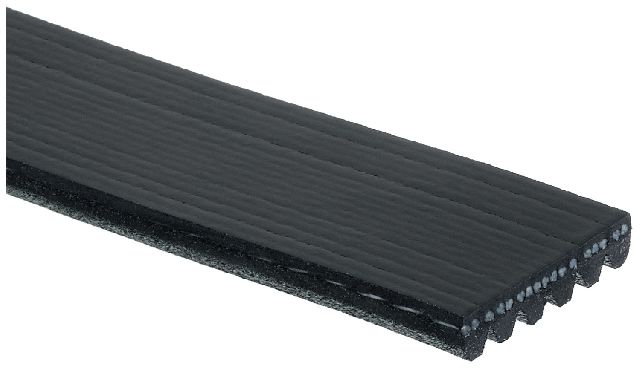
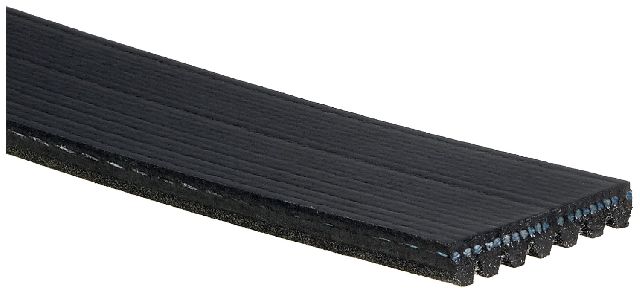
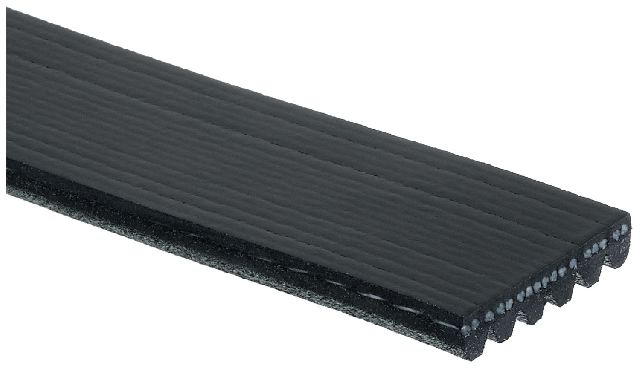
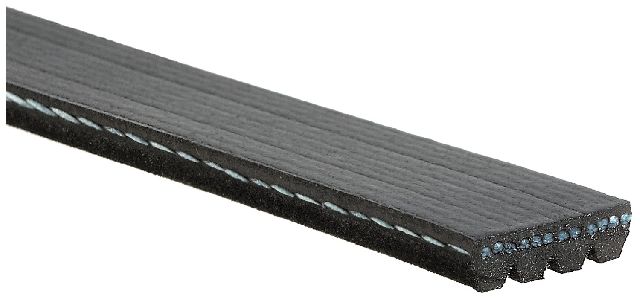
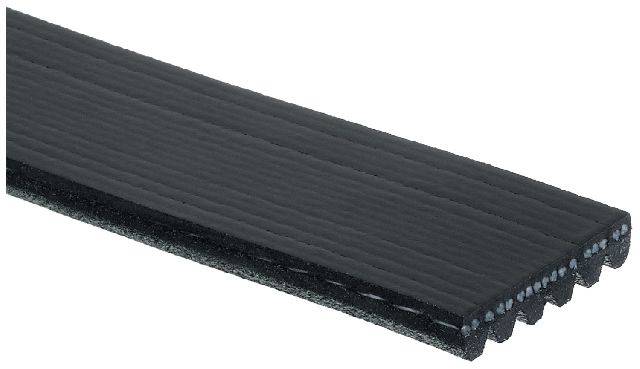
The 2017-2024 Audi Q7, particularly the 3.0T V6, utilizes a dual-belt system. The main accessory belt is a multi-rib Poly-V belt that drives the alternator, water pump, A/C compressor, and power steering. A second, separate belt drives the supercharger. Belt length and rib count vary by specific engine and year.
We Have This Part in Stock

The information in this article is provided for general reference and educational purposes only. Vehicle specifications, procedures, and part compatibility can vary by production date, trim level, and region. Always consult your vehicle's factory service manual and verify part numbers before purchasing or performing repairs. Safety-critical components such as airbags, seat belts, and braking systems should be installed by a qualified professional.
- Audi Q7: