

A Guide to Aftermarket Brake Pads for the 2017-2024 Audi RS3
Address common factory brake issues like noise and dust by choosing the right aftermarket pads for your high-performance RS3.
- The most common complaint about OEM Audi RS3 brakes is excessive noise and dust; switching to an aftermarket ceramic pad can resolve this for daily driving.
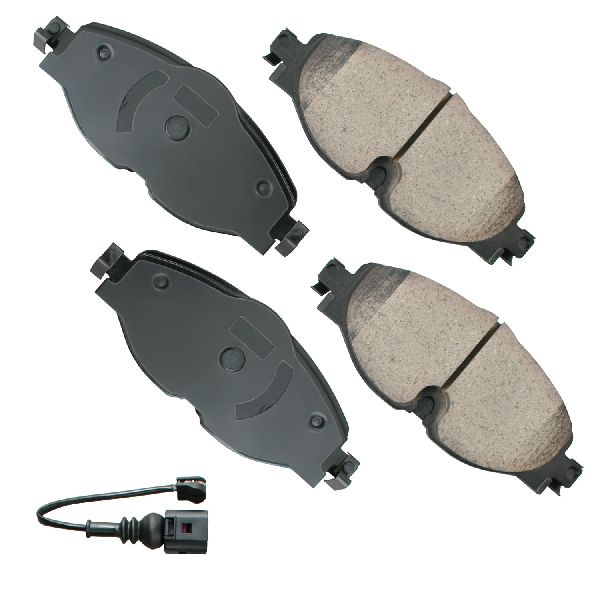
- The front brakes use eight separate pads and require a new electronic wear sensor (or a bypass) with every pad change.
- Choose your pad compound based on your driving style: ceramic for quiet daily use (Akebono, Bosch), performance street for a balance (Hawk HPS 5.0, EBC Redstuff), or aggressive compounds for track use (EBC Yellowstuff, Ferodo DS2500).
- No recalls were found for the brake pads themselves, but several TSBs exist regarding general brake noise analysis for Audi vehicles.
Signs Your Brake Pads Are Failing

Your Audi RS3 is equipped with electronic brake wear sensors that will trigger a warning light on your dashboard when the pads are low. However, there are other symptoms to watch for. Ignoring them can lead to more expensive repairs, like replacing the brake rotors.
| Symptom | Description |
|---|---|
| Brake Warning Light | The most obvious sign. A yellow or red warning will appear on your instrument cluster, indicating the pads have worn past the sensor. |
| Squealing or Squeaking Noises | A high-pitched squeal when you apply the brakes, especially at low speeds, is a common sign of worn pads. It can also be a characteristic of high-performance pads, even when new. |
| Grinding Sensation | A loud, harsh grinding noise means the pad material is completely gone. The metal backing plate is now grinding against the rotor, causing severe damage. Stop driving immediately. |
| Reduced Stopping Power | If you notice it takes longer to stop or you have to press the brake pedal harder, your pads may be worn out or "glazed" from overheating. |
Known Issues: The Truth About RS3 Brake Squeal

Many RS3 owners report significant brake squeal, especially at low speeds, even on new cars. This is a known characteristic of the factory-installed semi-metallic performance pads. While they provide excellent stopping power, the trade-off is noise and a large amount of brake dust. Dealers often consider this normal for a performance vehicle. Some owners have noted that Audi released updated pads with anti-vibration weights or channels to help reduce dust and noise on newer models. Choosing an aftermarket ceramic pad is a popular solution for owners who want to eliminate the noise and dust for daily driving.
Choosing the Right Aftermarket Brake Pads

The original equipment (OEM) pads on the RS3 are made by Brembo and are a semi-metallic compound designed for performance. However, their tendency for noise and dust leads many owners to seek aftermarket alternatives. Here’s a breakdown of popular choices based on driving needs.
A Note on Carbon Ceramic Brakes
This guide is for the standard steel brake system. If your RS3 is equipped with the optional Carbon Ceramic brake package, you must use pads specifically designed for ceramic rotors. Using the wrong pads will cause extreme damage. Pad replacement costs for the ceramic system are significantly higher.
Tier 1: Daily Driver / Low Dust & Noise
These pads are perfect if your priority is clean wheels and quiet operation for street driving. They are typically ceramic-based compounds.
- Akebono EURO Ceramic: Often recommended for their extremely low dust and quiet operation, while maintaining good stopping power for street use.
- Bosch QuietCast/EuroLine: A strong OEM-quality alternative known for quiet, clean performance.
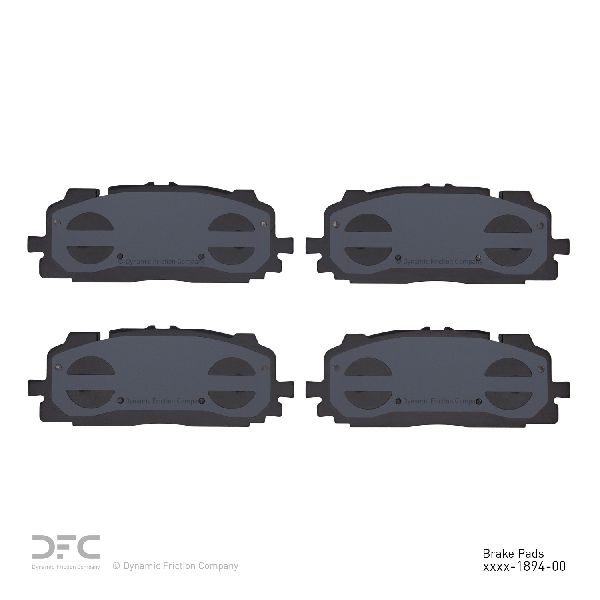
- Dynamic Friction 5000 Euro: Marketed as a low-dust ceramic formulation for European cars.
Tier 2: Performance Street / Spirited Driving
This category offers a balance between the performance of the stock pads and the comfort of a daily driver pad. They provide better bite and fade resistance than standard ceramics but may produce slightly more dust and occasional noise.
- Hawk Performance HPS 5.0: A very popular upgrade for drivers seeking improved stopping power and pedal feel over stock, with manageable dust and noise.
- EBC Redstuff: A ceramic-based performance pad known for significantly improving brake effect while producing less dust than OEM pads.
- Brembo (Aftermarket): Brembo offers their own line of aftermarket pads that can provide a similar feel to OEM but often at a lower price point.
Tier 3: Aggressive Street / Track Day
For the owner who frequently drives their RS3 in a spirited manner or participates in occasional track days. Expect more noise and dust, as these are a trade-off for maximum performance and heat resistance.
- EBC Yellowstuff/Bluestuff: A step up from Redstuff, Yellowstuff is designed for fast street and light track use, offering high friction and no brake fade. Bluestuff is an intermediate track pad.
- Hawk Performance HP+: A compound that works well for autocross and track days but can be noisy and dusty for daily street use.
- Ferodo DS2500: A highly regarded hybrid pad that is excellent on the track but still manageable on the street.
Don't Forget the Sensor!
The Audi RS3 uses an electronic brake pad wear sensor on the front axle (passenger side in North America). Many aftermarket performance pads do not come with a new sensor or even a provision for one. When replacing pads, you must also replace the sensor or install a bypass loop to prevent a warning light on your dash.
Frequently Asked Questions

Can I just replace the brake pads and not the rotors?
Yes, if the rotors are in good condition and measure above the minimum thickness specification. However, it is best practice to replace pads and rotors together to ensure optimal performance and prevent issues like vibration or uneven wear. If you are switching to a different pad compound (e.g., from semi-metallic to ceramic), it is highly recommended to start with fresh rotors.
Why are my new aftermarket pads squeaking?
New pads require a "bedding-in" procedure to properly mate with the rotor surface. This involves a series of controlled stops to transfer a thin, even layer of friction material to the rotor. Failure to bed-in pads properly is a major cause of noise. 🎬 Watch this guide to learn how to bed-in your new pads properly. Also, ensure high-temperature brake grease was applied to the correct contact points on the pad backing plate and caliper during installation.
What's the difference between front and rear brake pads on the RS3?
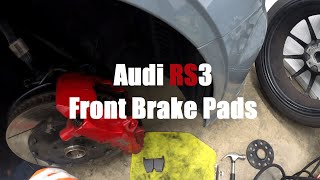
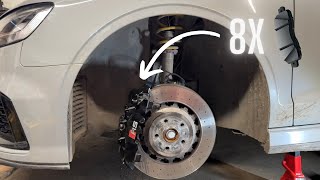
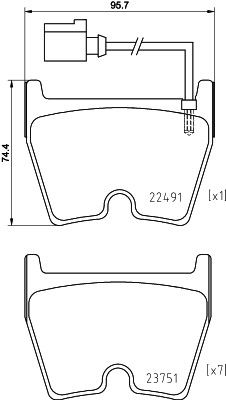
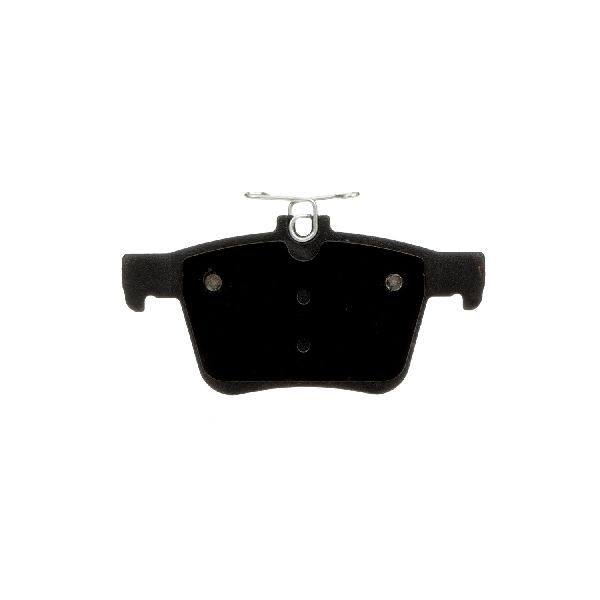
The front brakes on the RS3 do the majority of the braking work and are much larger and more complex. The front system uses a multi-piston fixed caliper with a total of eight individual brake pads. 🎬 Watch this DIY walkthrough for replacing those complex front pads. The rear is a more conventional single-piston sliding caliper with two pads. 🎬 See how to handle the electronic hand brake during rear pad replacement. The front and rear pads are not interchangeable.
Will using aftermarket brake pads void my warranty?
No. In the United States, the Magnuson-Moss Warranty Act prevents manufacturers from voiding a vehicle's warranty simply because you used aftermarket parts. For a warranty claim to be denied, the dealer would have to prove that the aftermarket part directly caused the failure in question.
Helpful Videos
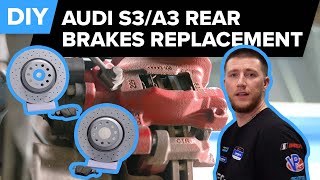
Technical Specifications
OEM Part Numbers: 8V0698151M 8V0698151G 8V0698151K
Front Axle: 8-piston fixed caliper, 8 individual pads, electronic wear sensor. Rear Axle: Single-piston floating caliper, 2 pads. System designed for steel rotors (unless optional Carbon Ceramic brakes are equipped).
We Have This Part in Stock
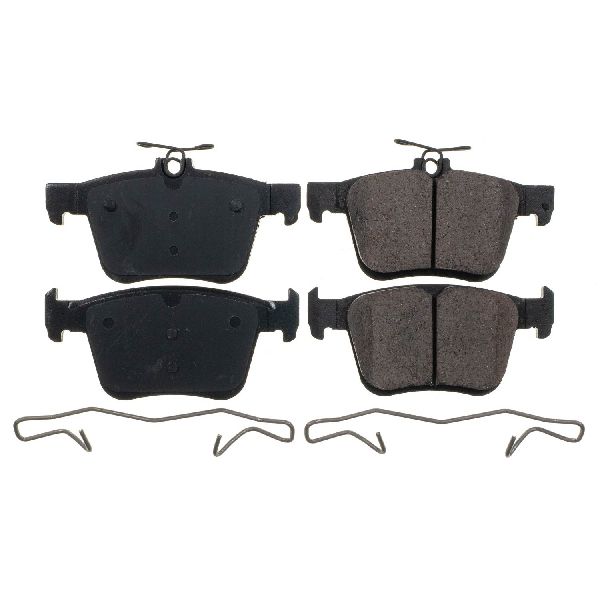
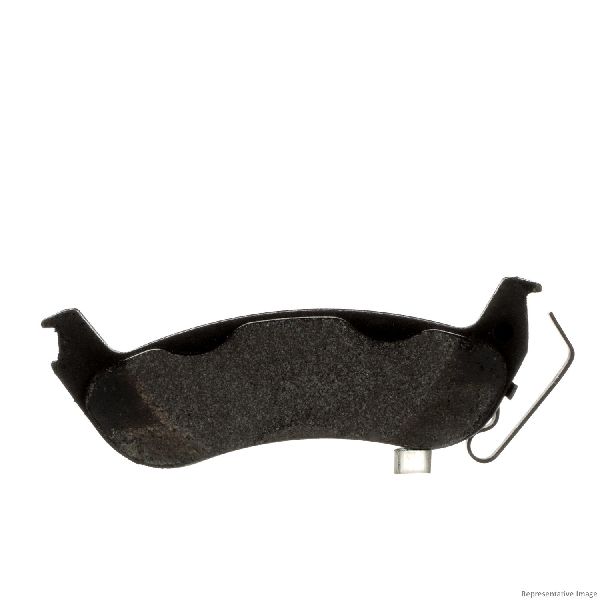

The information in this article is provided for general reference and educational purposes only. Vehicle specifications, procedures, and part compatibility can vary by production date, trim level, and region. Always consult your vehicle's factory service manual and verify part numbers before purchasing or performing repairs. Safety-critical components such as airbags, seat belts, and braking systems should be installed by a qualified professional.
- Audi RS3:
- 🎬 Helpful Videos
- 🛍️ Shop This Part
- Signs Your Brake Pads Are Failing
- Known Issues: The Truth About RS3 Brake Squeal
- Choosing the Right Aftermarket Brake Pads
- A Note on Carbon Ceramic Brakes
- Tier 1: Daily Driver / Low Dust & Noise
- Tier 2: Performance Street / Spirited Driving
- Tier 3: Aggressive Street / Track Day
- Don't Forget the Sensor!
- Frequently Asked Questions
- 🎟️ Get 5% Off