

A Guide to Oxygen Sensors for the 2019-2024 Chevrolet Blazer
Solve check engine lights and poor fuel economy by choosing the right oxygen sensor for your Blazer's engine.
- The 2019-2024 Blazer has different sensors for each engine (2.0L, 2.5L, 3.6L) and position (Upstream/Downstream, Bank 1/Bank 2). Verify the exact part needed.
- Denso and NGK (NTK) are often the original manufacturers for ACDelco and are excellent, cost-effective alternatives to the dealer part.
- On the 3.6L V6, the rear (Bank 1) upstream sensor is extremely difficult to replace and may require several hours of labor, significantly increasing cost.
- A Check Engine Light is the most common symptom, but poor gas mileage and rough idling are also key indicators of a failing O2 sensor.
Understanding Oxygen Sensors in Your 2019-2024 Blazer


The modern Chevrolet Blazer was reintroduced for the 2019 model year. This guide applies to all 2019, 2020, 2021, 2022, 2023, and 2024 models with the 2.0L Turbo, 2.5L I4, or 3.6L V6 engine. Oxygen sensors are wear items that eventually need replacement, typically after 60,000 miles or more. When they fail, they can cause noticeable problems with how your vehicle runs.
Symptoms of a Bad Oxygen Sensor
A failing O2 sensor can make itself known in several ways. Ignoring these signs can lead to more expensive repairs, like damage to the catalytic converter.
- Check Engine Light: This is the most common sign. A code reader will often show codes like P0131, P0171, or P0420.
- Poor Fuel Economy: A bad sensor can cause the engine to run rich, using more fuel than necessary.
- Rough Idle or Misfires: An incorrect air-fuel mixture can make your engine run poorly, especially at idle.
- Rotten Egg Smell: A sulfur-like smell from the exhaust can indicate a rich fuel mixture overwhelming the catalytic converter.
- Failed Emissions Test: Since O2 sensors are a primary part of the emissions system, a faulty one is a common reason for failing an inspection.
Known Issues & Pro Tips
For 3.6L V6 Owners: If you have a Check Engine Light for a Bank 1 sensor (codes like P0131, P0132, P0171), check for a power steering fluid leak. A GM Technical Service Bulletin (TSB 18-NA-009) for similar vehicles notes that fluid can leak from a power steering hose onto the sensor's wiring harness, causing contamination and false readings. The fix requires replacing the leaking hose and the contaminated sensor and harness.
For 2.0L Turbo Owners: After replacing an oxygen sensor on the 2.0L LSY engine, a scan tool procedure called 'Heated Oxygen Sensor Resistance Learn Reset' is required. Skipping this step can cause the new sensor to fail prematurely. This is a critical step for any DIY replacement.
Choosing the Right Aftermarket Oxygen Sensor
You don't have to buy the part from the dealer to get a quality sensor. Many aftermarket brands are the original suppliers to GM. Here’s a breakdown of the brands available.
Tier 1: OEM Quality
- ACDelco: As GM's official parts brand, this is the direct original equipment replacement.
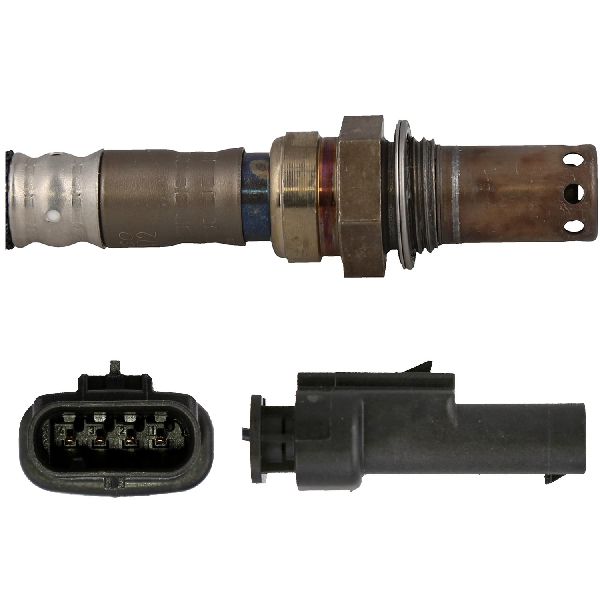
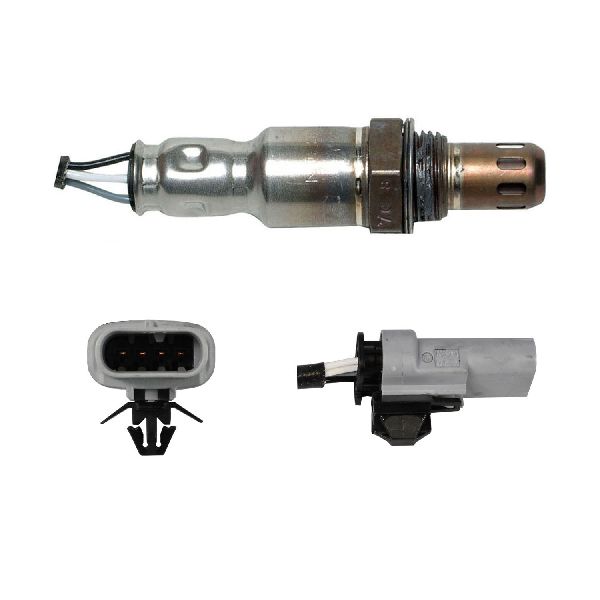
- Denso & NGK (NTK): These brands are widely known to be the Original Equipment Manufacturers (OEM) for many GM vehicles, including the oxygen sensors. Choosing Denso or NTK is like getting an ACDelco part without the box, often at a better price. They are highly recommended for their proven compatibility and performance.
Tier 2: Reputable Aftermarket
- Bosch: Bosch is a massive, well-respected parts manufacturer. While their sensors are high quality, some mechanics report that GM vehicle computers can be sensitive to the response curve of non-OEM sensors. They are a solid choice, but Denso or NGK/NTK are generally preferred for a perfect match.
Tier 3: Budget-Friendly
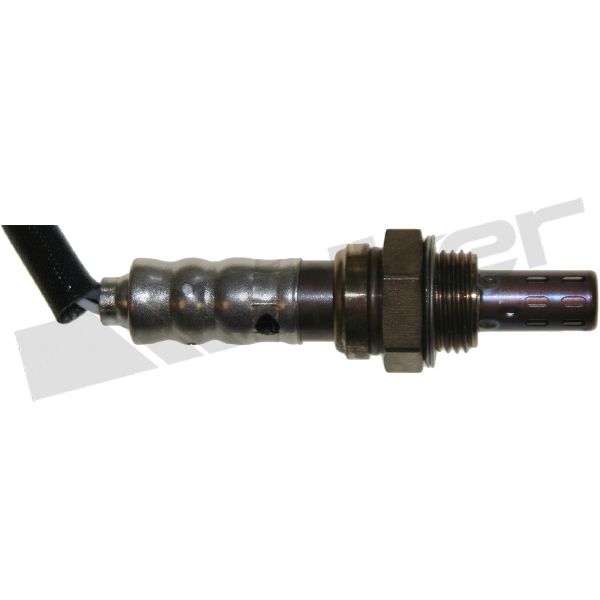
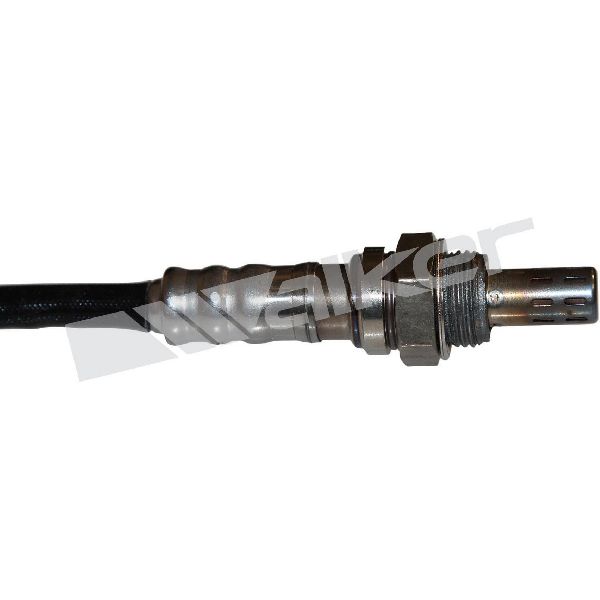
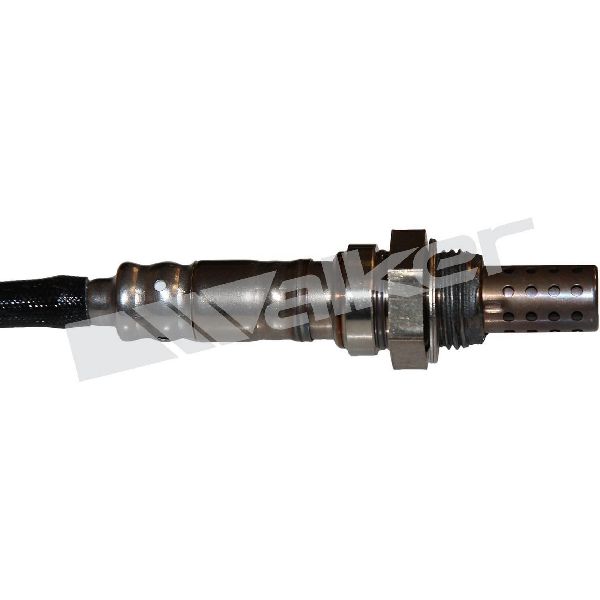
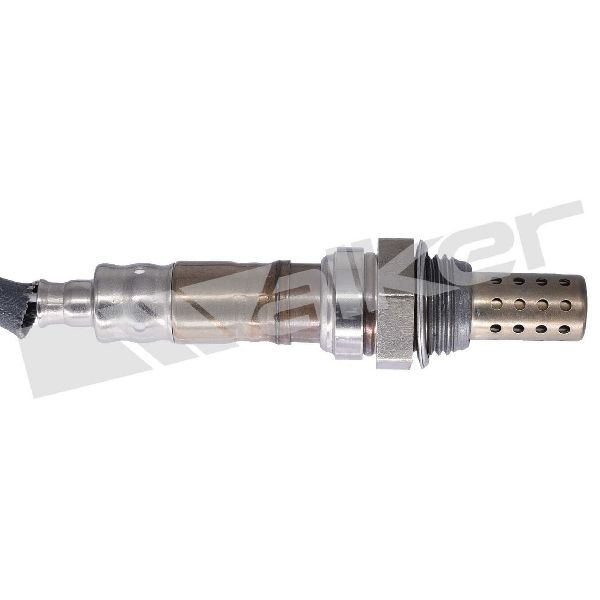
- Walker Products: Walker offers a more economical option for sensor replacement. These are standard replacement parts that will get the job done, but may not offer the same longevity or precise response as the OEM-tier brands.
Common Ordering Mistake: Upstream vs. Downstream
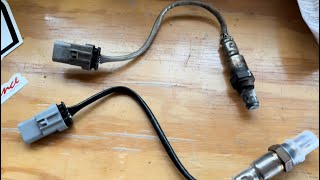
Your Blazer has at least two oxygen sensors, and they are not interchangeable. Upstream sensors (Sensor 1) are for fuel control and are located in the exhaust manifold before the catalytic converter. Downstream sensors (Sensor 2) monitor the converter and are located after it. Always verify the exact position you need before ordering.
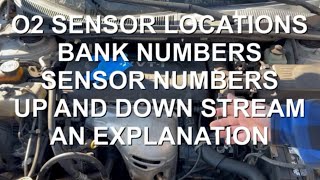
🎬 Watch this video for a clear explanation of sensor locations and banks.Oxygen Sensor Replacement Cost for Chevrolet Blazer (2019-2024)
| Part/Service | Estimated Cost |
|---|---|
| New Aftermarket Oxygen Sensor | $45 - $195 |
| New OEM Oxygen Sensor | $160 - $250 |
| Shop Labor | $75 - $450+ |
| Total Estimated Cost (Aftermarket Part + Labor) | $120 - $645+ |
Cost estimates are for a single sensor and can vary by location and which sensor is being replaced. The wide labor range reflects the major difference in accessibility, especially on the 3.6L V6 engine.
Frequently Asked Questions

How many oxygen sensors does my Blazer have?
The exact number depends on your engine. V6 engines like the 3.6L will have four sensors: two upstream (one for each cylinder bank) and two downstream (one for each catalytic converter). Four-cylinder engines like the 2.0L and 2.5L typically have two sensors: one upstream and one downstream.
What is the difference between Bank 1 and Bank 2?
This applies to V6 engines. On the Blazer's transverse (sideways) mounted 3.6L V6, Bank 1 is the cylinder bank at the rear of the engine bay, near the firewall. Bank 2 is the bank at the front, near the radiator. This is important, as Sensor 1 Bank 1 is a different part in a different location than Sensor 1 Bank 2.
Is it hard to replace an oxygen sensor myself?
It depends on the location. On the 3.6L V6, the front (Bank 2) sensor is easy to access. However, the rear (Bank 1) sensor is extremely difficult to reach and requires removing the upper intake manifold, a job best left to a professional for most owners. On 4-cylinder models, access is generally less complicated. You will need a special oxygen sensor socket or a 22mm (7/8") wrench.
🎬 See this walkthrough on how to properly replace an oxygen sensor.My only code is P0420. Is the sensor bad or the catalytic converter?
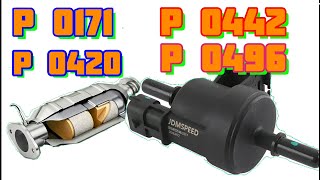
A P0420 code means the downstream sensor is reporting low catalyst efficiency. This can be a failed catalytic converter, but it can also be a faulty downstream sensor giving a false report. Because the sensor is much cheaper, many people replace the downstream sensor first to see if it resolves the code. However, be aware that sometimes both the converter and sensors need to be replaced together.
🎬 Learn more about what causes P0420 and P0171 codes in layman's terms.Helpful Videos
Technical Specifications
OEM Part Numbers: 12667438 12670253 12634064 55489474 55488558
Number of sensors varies by engine (2 for I4, 4 for V6). Thread size is typically M18x1.5. A 22mm (7/8") wrench or O2 sensor socket is required for removal and installation.
We Have This Part in Stock

The information in this article is provided for general reference and educational purposes only. Vehicle specifications, procedures, and part compatibility can vary by production date, trim level, and region. Always consult your vehicle's factory service manual and verify part numbers before purchasing or performing repairs. Safety-critical components such as airbags, seat belts, and braking systems should be installed by a qualified professional.
- Chevrolet Blazer:
- 🎬 Helpful Videos
- 🛍️ Shop This Part
- Understanding Oxygen Sensors in Your 2019-2024 Blazer
- Symptoms of a Bad Oxygen Sensor
- Known Issues & Pro Tips
- Choosing the Right Aftermarket Oxygen Sensor
- Common Ordering Mistake: Upstream vs. Downstream
- Oxygen Sensor Replacement Cost for Chevrolet Blazer (2019-2024)
- Frequently Asked Questions
- 🎟️ Get 5% Off