

A Guide to Replacing Oxygen Sensors on the 2017-2024 Chevrolet Express 3500
Everything you need to know about choosing the right new aftermarket oxygen sensor for your work van.
- Stick to top-tier aftermarket brands like Denso or NGK (NTK) for OEM-level quality without the dealer price.
- Avoid using universal-fit sensors; always buy a direct-fit model with the correct plug to prevent wiring issues.
- A bad oxygen sensor can damage your expensive catalytic converter, so address the check engine light promptly.
- The biggest challenge for DIY replacement is often rust; soak the old sensor in penetrating oil overnight and use an O2 sensor socket.
Is Your Express 3500's Oxygen Sensor Failing?

An oxygen sensor failure is common as a vehicle ages. Contaminants like burnt oil or coolant can shorten their lifespan, but often they just wear out from constant heat and exposure. Ignoring a bad O2 sensor can lead to poor engine performance and, more seriously, damage to the expensive catalytic converter.
Common Symptoms of a Bad O2 Sensor:
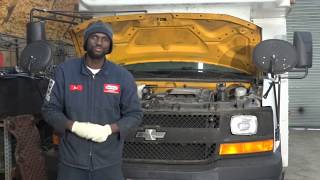
- Check Engine Light: This is the most common sign. Codes like P0135, P0141, P0155, or P0161 often point to a faulty O2 sensor heater circuit. 🎬 Watch: How to diagnose P0141 and P0161 heater circuit codes.
- Poor Fuel Economy: If the sensor can't provide accurate readings, the engine may run rich, using more fuel than necessary.
- Rough Idle and Misfires: An incorrect air-fuel mixture can cause your van's engine to run unevenly.
- Failed Emissions Test: A bad O2 sensor will prevent your vehicle from passing an emissions inspection.
- Rotten Egg Smell: This indicates unburnt fuel is entering the exhaust and overheating the catalytic converter, a serious symptom you shouldn't ignore.
Choosing the Right Aftermarket Oxygen Sensor

When shopping for a new aftermarket oxygen sensor, quality and compatibility are key. While many brands are available, they fall into different tiers of quality and reliability for GM trucks.
OEM vs. Aftermarket Quality
For the Express 3500, the original equipment (OE) brand is ACDelco. However, ACDelco often re-packages sensors made by other top-tier manufacturers like Denso or NGK. This means you can often get the exact same quality as the original part by buying from one of these trusted brands, sometimes at a lower cost.
Brand Tiers for Your Express 3500:
- Tier 1 (OEM Quality): ACDelco, Denso, NGK (NTK)
These brands are highly recommended and are often the original equipment manufacturer for GM. They offer the best fit, performance, and longevity. Choosing a direct-fit sensor from one of these brands is the safest bet for a hassle-free repair. - Tier 2 (Reputable Aftermarket): Bosch
Bosch is a massive, well-known parts supplier that invented the oxygen sensor. However, their sensors have mixed reviews among GM truck owners. While many are direct-fit and work well, some mechanics and owners report compatibility issues or premature failures on this specific platform. - Tier 3 (Budget): Walker Products
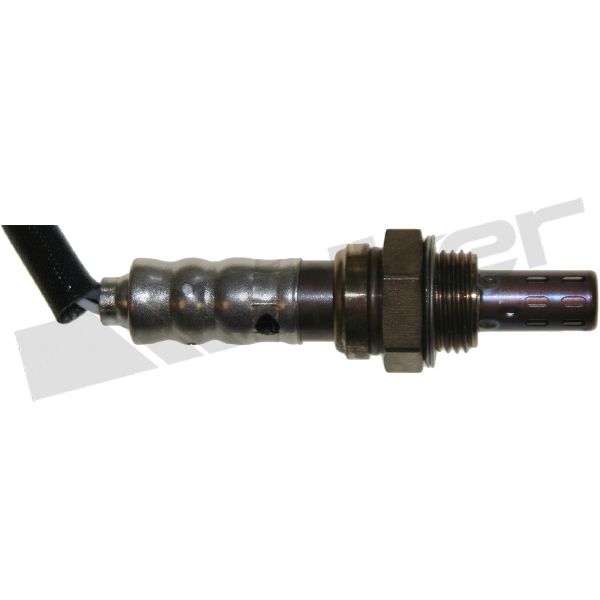
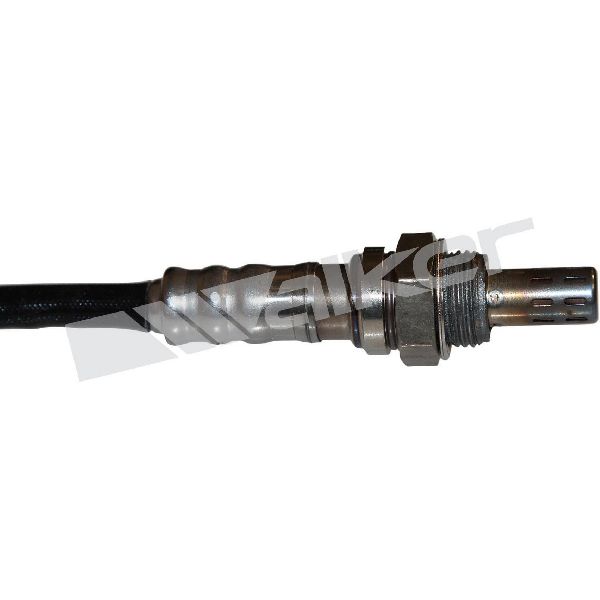
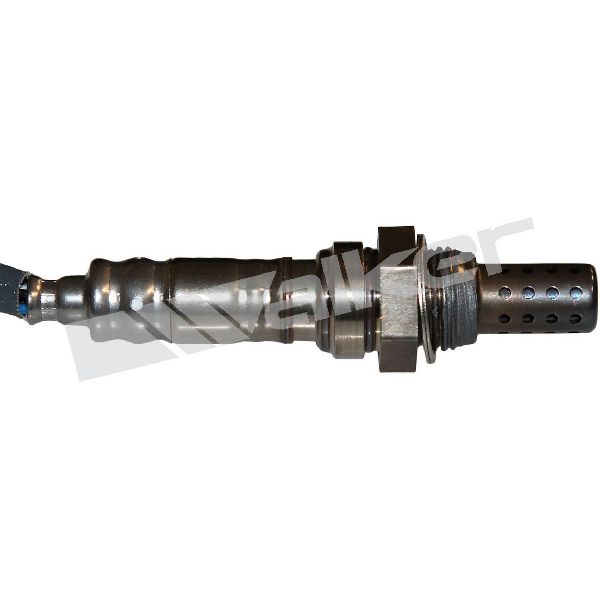
Walker is a budget-friendly option. While they can work, forum discussions show mixed results regarding their lifespan. Some users report them failing within a year, often due to a burned-out heater element. If budget is the primary concern, they are an option, but may not be a long-term solution.
Cost to Replace an Express 3500 Oxygen Sensor

The cost depends on whether you do the job yourself or hire a shop. Your van has four sensors, but you typically only replace the one that has failed.
| Item | Cost Range |
|---|---|
| New Aftermarket O2 Sensor (DIY) | $58 - $195 per sensor |
| Shop Labor | $61 - $90 per sensor |
| Total Professional Replacement | $310 - $426 (one sensor) |
A Note on Recalls and TSBs
While there are no specific oxygen sensor recalls for the 2017-2024 model years, GM did issue a voluntary recall for some 2011-2013 Express cutaway models. In those cases, condensation could cause the Bank 2 sensors to fracture. This highlights the importance of using quality, durable sensors on this platform. No other widespread issues, recalls, or TSBs regarding oxygen sensors were found for the 2017-2024 models.
Frequently Asked Questions

How many oxygen sensors does my Express 3500 have?
Your van is equipped with four oxygen sensors. There are two upstream sensors (Bank 1 Sensor 1, Bank 2 Sensor 1) located in the exhaust manifold or just after it, and two downstream sensors (Bank 1 Sensor 2, Bank 2 Sensor 2) located after the catalytic converters.
Can I replace just one oxygen sensor?
Yes. You only need to replace the specific sensor that has failed and triggered the check engine light. 🎬 See this walkthrough for diagnosing and fixing Express O2 codes. However, O2 sensors are wear items. If one has failed and your van has high mileage, the others may not be far behind.
Is this a difficult DIY job?
The difficulty is moderate. Accessing the sensors, particularly the downstream ones, is often straightforward. The biggest challenge is removing the old sensor, which can be seized in the exhaust pipe due to rust and heat. Using a special O2 sensor socket and soaking the sensor in penetrating oil for a day beforehand is highly recommended.
Do I need to buy a 'direct-fit' or 'universal' sensor?
Always choose a 'direct-fit' sensor. These come with the correct wire length and factory-style connector, making the installation a simple plug-and-play process. Universal sensors require you to cut and splice wires, which is a common point of failure and not recommended for a reliable repair.
Helpful Videos

Technical Specifications
OEM Part Numbers: 12679885 12657188 12637297 213-4244
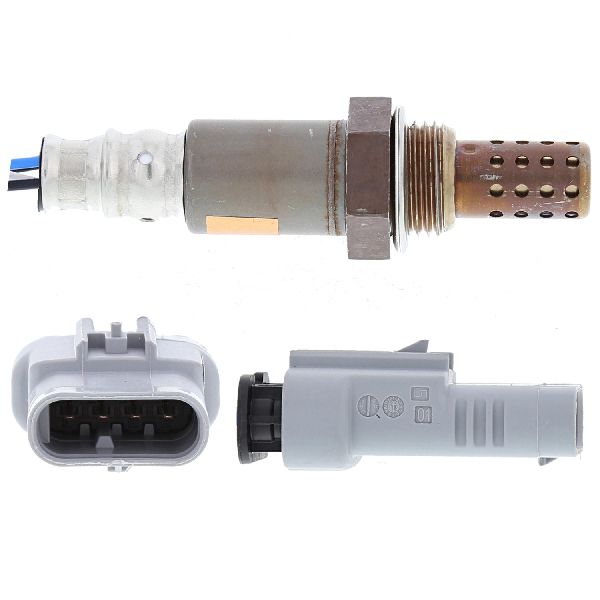
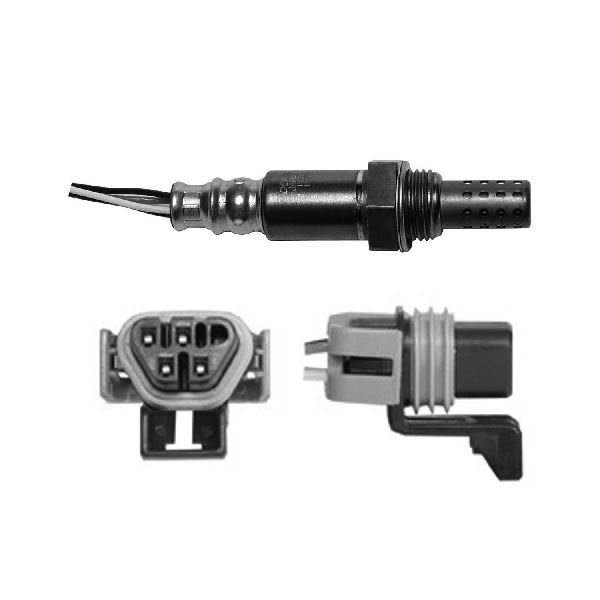
Your van uses four heated, 4-wire oxygen sensors. Two are upstream (pre-catalytic converter) and two are downstream (post-catalytic converter). Ensure you purchase the correct sensor for the specific location (Bank 1/2, Sensor 1/2) that needs replacement.
We Have This Part in Stock


The information in this article is provided for general reference and educational purposes only. Vehicle specifications, procedures, and part compatibility can vary by production date, trim level, and region. Always consult your vehicle's factory service manual and verify part numbers before purchasing or performing repairs. Safety-critical components such as airbags, seat belts, and braking systems should be installed by a qualified professional.
- Chevrolet Express 3500:
- 🎬 Helpful Videos
- 🛍️ Shop This Part
- Is Your Express 3500's Oxygen Sensor Failing?
- Common Symptoms of a Bad O2 Sensor:
- Choosing the Right Aftermarket Oxygen Sensor
- OEM vs. Aftermarket Quality
- Brand Tiers for Your Express 3500:
- Cost to Replace an Express 3500 Oxygen Sensor
- A Note on Recalls and TSBs
- Frequently Asked Questions
- 🎟️ Get 5% Off