

A Practical Guide to Replacing Oxygen Sensors on the 2017-2024 Chrysler Pacifica
Is your Pacifica's check engine light on? This guide will help you understand and choose the right aftermarket oxygen sensor for your minivan.
- Your Pacifica has four O2 sensors; always confirm which one is faulty by reading the specific trouble code.
- For best results and to avoid repeat repairs, choose an OEM-equivalent brand like Denso or NGK/NTK.
- Replacing a sensor yourself is possible with a special O2 sensor socket and can save you hundreds of dollars.
- Do not ignore a check engine light for an upstream O2 sensor, as it can lead to costly catalytic converter damage.
Understanding Oxygen Sensor Failure in Your Pacifica

Oxygen sensors, also called O2 sensors, live in a harsh environment and eventually wear out. Contaminants like burnt oil or coolant, as well as simple old age, can cause them to fail. When this happens, your Pacifica's engine control unit (ECU) receives incorrect data, leading to noticeable problems. Ignoring a failing oxygen sensor can lead to reduced fuel efficiency and, in some cases, expensive damage to your catalytic converters.
Symptoms of a Bad Oxygen Sensor

The most common sign of a failing O2 sensor is a steady Check Engine Light on your dashboard. However, you might also notice other performance issues. If you experience any of these, it's a good idea to have your vehicle's codes scanned to see if an O2 sensor is the culprit.
Choosing the Right Aftermarket Oxygen Sensor

You don't need to buy the most expensive OEM Mopar part to get your Pacifica running right. Many aftermarket brands offer excellent quality, and some are even the original equipment manufacturers. Here’s a breakdown of available brands to help you choose.
Tier 1: OEM-Equivalent Brands
These brands are known to be original equipment suppliers for many automakers and offer the highest quality and compatibility. For a hassle-free repair, these are your best bet.
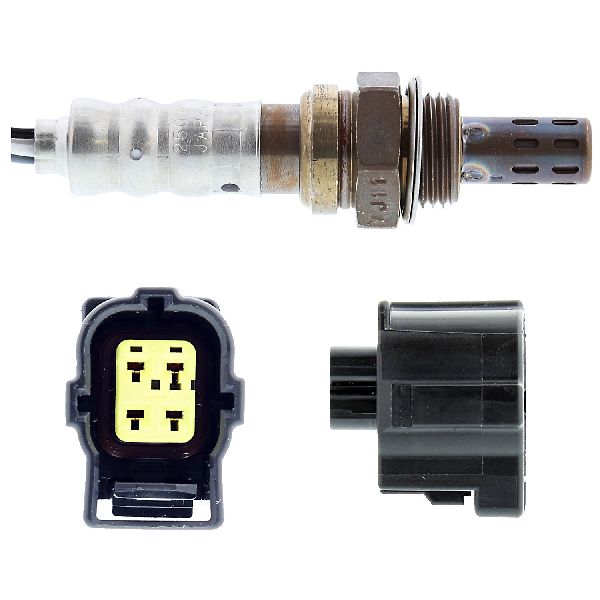
- Denso: A major OEM supplier worldwide, Denso parts are known for their precise fit and performance that matches the original factory sensor.
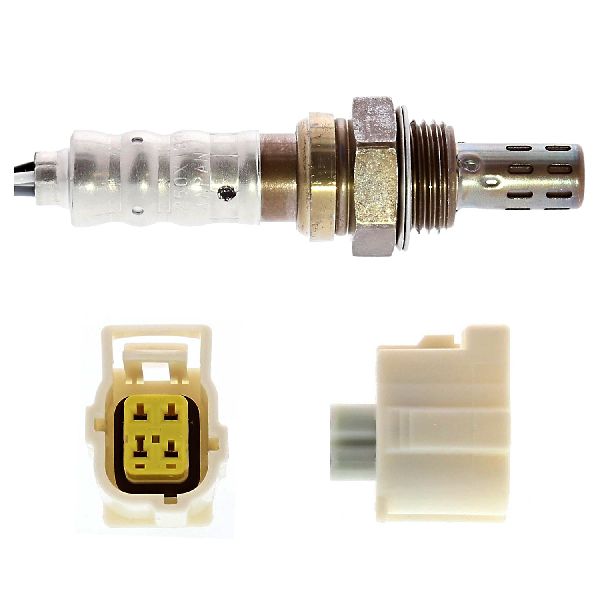
- NGK (NTK): NGK's sensor brand is NTK. They are another top-tier OEM supplier with a reputation for long-lasting, reliable sensors that are often recommended by professional mechanics.
Tier 2: Reputable Aftermarket Brands
These brands have a long history of producing quality components and are trusted alternatives to OEM parts.
- Bosch: As the inventor of the automotive oxygen sensor, Bosch has a strong reputation for quality and performance. They are a very reliable choice.
- Delphi: Another major OEM supplier, Delphi provides high-quality parts to the aftermarket that meet or exceed factory specifications.
Tier 3: Standard & Economy Brands
These brands offer a good balance of value and quality for budget-conscious repairs.
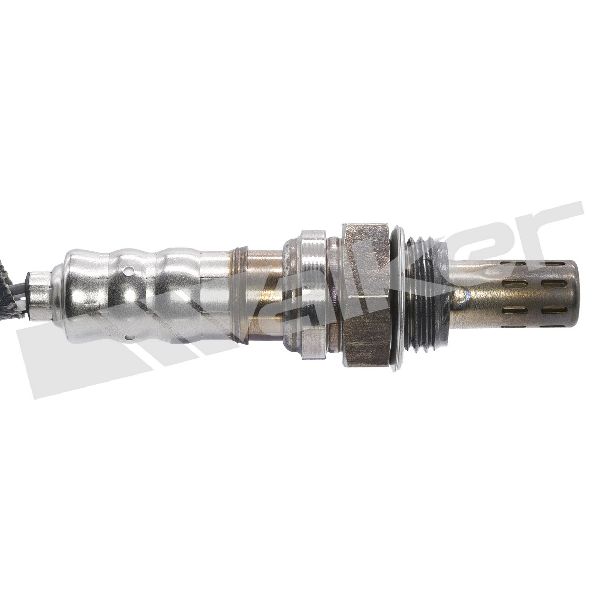
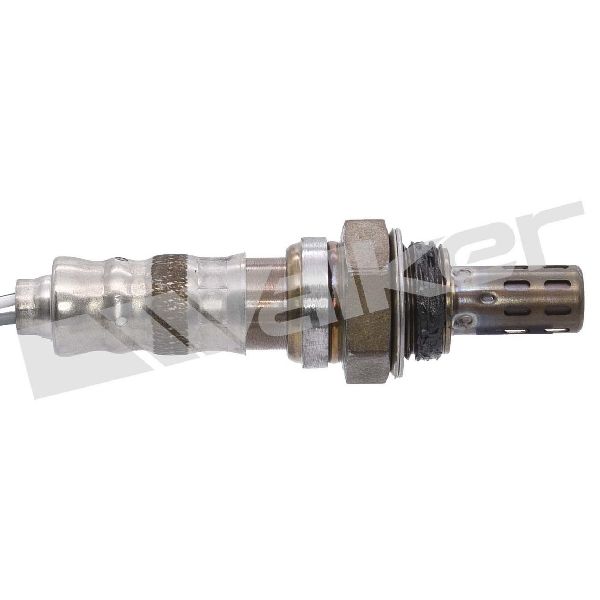
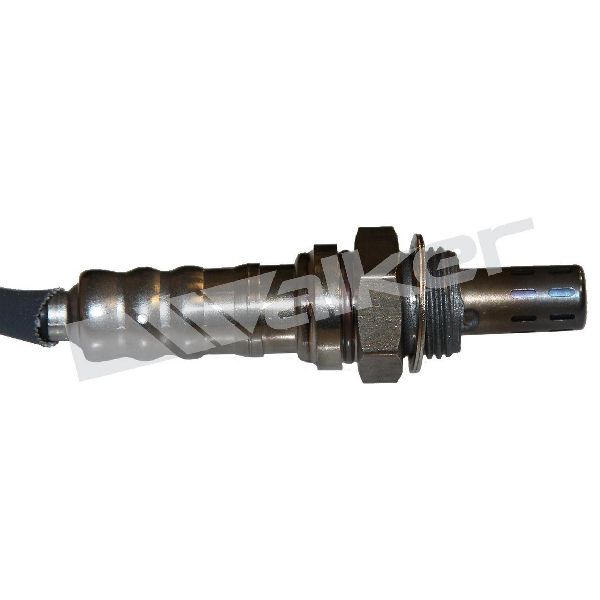
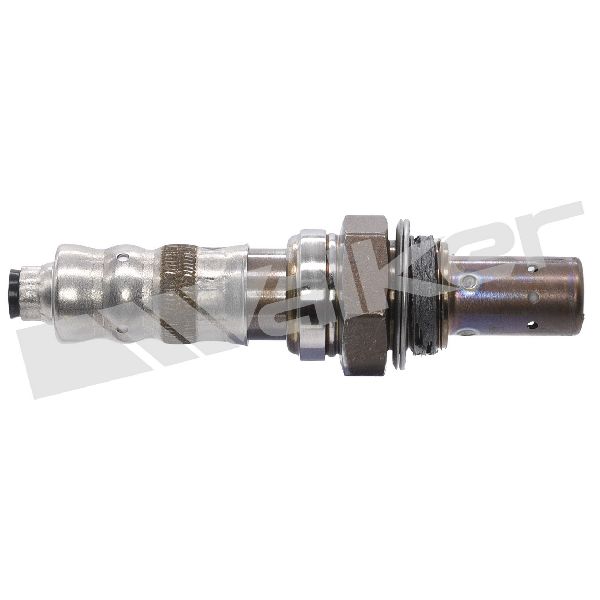
- Walker Products: A company that specializes in fuel and emission parts, Walker offers direct-fit sensors that are a dependable replacement option.
- Crown Automotive: Known for specializing in parts for Chrysler, Jeep, and Dodge vehicles, Crown can be a good vehicle-specific choice.
- DriveWire: This brand is typically positioned as a cost-effective solution for repairs where budget is the main priority.
Pro Tip: When replacing sensors, it's often best to use the same brand for all of them, especially on the same bank. Different brands can have slightly different warm-up times or voltage readings, which can confuse the vehicle's computer.
Cost of Replacing a Chrysler Pacifica Oxygen Sensor
The cost can vary significantly based on who does the work and what parts are used. Replacing an O2 sensor yourself with an aftermarket part is very budget-friendly, while having a dealership do it with an OEM part will cost much more.
| Item | Estimated Cost |
|---|---|
| New Aftermarket Sensor | $40 - $84 |
| New OEM (Mopar) Sensor | $250 - $400+ |
| Shop Labor | $100 - $200 per sensor |
| Total (DIY Aftermarket) | $40 - $84 |
| Total (Shop w/ OEM) | $350 - $600+ per sensor |
Frequently Asked Questions

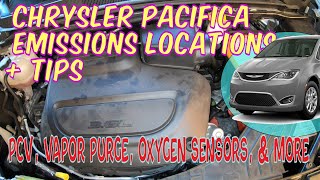
How many oxygen sensors does a 2017-2024 Chrysler Pacifica have? 🎬 Watch: Locate your Pacifica's oxygen sensors and other emission components.
The standard 3.6L V6 Pacifica has four oxygen sensors: two upstream (before the catalytic converter) and two downstream (after the catalytic converter).
What is the difference between an upstream and a downstream sensor?
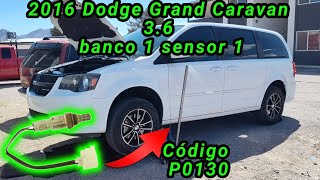
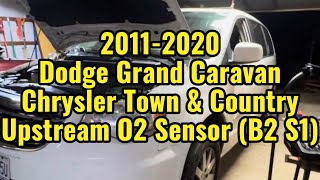
Upstream sensors (also called Sensor 1) are located on the exhaust manifold before the catalytic converter. They are critical for engine performance, as they help control the air-fuel mixture. 🎬 See this walkthrough for replacing an upstream oxygen sensor. Downstream sensors (Sensor 2) are located after the catalytic converter and primarily monitor its efficiency. A bad downstream sensor will trigger a check engine light but usually won't affect how the vehicle drives.
Can I replace an oxygen sensor myself?
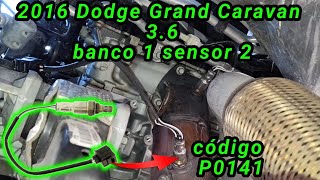
Yes, this is a DIY-feasible job for someone with basic mechanical skills. The main challenges are safely lifting the vehicle for access and removing the old sensor, which can be seized by rust. Using a generous amount of penetrating oil and having a special oxygen sensor socket 🎬 Watch: How to replace a downstream sensor on this engine. (a 7/8" or 22mm slotted socket) is essential.
Are there any recalls for Pacifica oxygen sensors?
No, as of early 2026, there are no specific recalls or widespread Technical Service Bulletins (TSBs) from Chrysler or the NHTSA for oxygen sensor failures on the 2017-2024 Pacifica.
What happens if I don't replace a bad O2 sensor?
If you ignore a bad upstream sensor, your engine will likely run rich, causing poor fuel mileage and potentially damaging the expensive catalytic converter over time. Ignoring a bad downstream sensor is less critical for engine operation but means you won't be alerted if your catalytic converter stops working correctly.
Helpful Videos
Technical Specifications
OEM Part Numbers: 5149171AB 5149180AB 68224429AA 68224428AA
The 3.6L V6 engine uses four heated, 4-wire oxygen sensors. A 22mm (or 7/8") wrench/socket size is required for removal and installation.
We Have This Part in Stock

The information in this article is provided for general reference and educational purposes only. Vehicle specifications, procedures, and part compatibility can vary by production date, trim level, and region. Always consult your vehicle's factory service manual and verify part numbers before purchasing or performing repairs. Safety-critical components such as airbags, seat belts, and braking systems should be installed by a qualified professional.
- Chrysler Pacifica:
- 🎬 Helpful Videos
- 🛍️ Shop This Part
- Understanding Oxygen Sensor Failure in Your Pacifica
- Symptoms of a Bad Oxygen Sensor
- Choosing the Right Aftermarket Oxygen Sensor
- Tier 1: OEM-Equivalent Brands
- Tier 2: Reputable Aftermarket Brands
- Tier 3: Standard & Economy Brands
- Cost of Replacing a Chrysler Pacifica Oxygen Sensor
- Frequently Asked Questions
- 🎟️ Get 5% Off