

Ford Explorer HVAC Heater Control Valve Guide (2017-2024)
If your Explorer's heat is acting up, the heater control valve could be the reason.
- A bad heater control valve can cause no heat, heat that's stuck on, or coolant leaks.
- For 2020-2021 models, a lack of heat on the passenger side could be a clogged heater core, a known issue covered by a TSB.
- The OEM part (L1MZ-18495-B for 2020-2024 models) is significantly more expensive than a quality aftermarket alternative like Gates.
- If the valve is leaking coolant, stop driving immediately to prevent engine overheating and severe damage.
Is Your Ford Explorer's Heater Unreliable?
A faulty HVAC heater control valve is a common reason for heating problems in the 2017-2024 Ford Explorer. When this part fails, it can leave you without heat in the winter or with heat blasting in the summer. Because it controls the flow of hot coolant, its failure can mimic other cooling system problems. Understanding the symptoms can help you decide if this is a part you need to replace.
Common Symptoms of a Bad Heater Control Valve
If your heater control valve is failing, you'll likely notice one or more of these issues:
- No Heat: The most common symptom is a lack of warm air from the vents, even when the engine is at full operating temperature. This often happens when the valve is stuck in the closed position.
- Heat Stuck On: If the valve gets stuck open, hot coolant will constantly flow through the heater core. This results in hot air blowing from the vents even when you have the AC on.
- Inconsistent Temperature: You might get blasts of hot air that suddenly turn cool, or vice versa. This can happen if the valve is malfunctioning electronically and can't hold a consistent position.
- Coolant Leaks: The valve itself can crack or its seals can fail, leading to coolant leaks. You might notice a sweet smell or see puddles of pink or orange fluid near the firewall or under the engine.
Known Issues for 2020-2021 Explorers
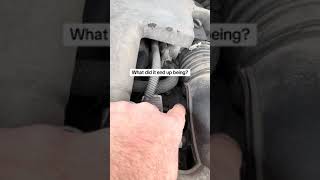
Ford issued Technical Service Bulletins (TSBs SSM 49868 and SSM 51391) for some 2020-2021 Explorer models that may experience a lack of heat specifically from the passenger side vents. 🎬 Watch this video to see a passenger side heating diagnosis. While these bulletins often point to a restricted heater core 🎬 See how to unclog a heater core at home for free. as the ultimate cause, the symptoms can be similar to a failing control valve. A proper diagnosis is key.
Choosing the Right Aftermarket Part: OEM vs. Gates
When replacing your heater control valve, you have a choice between an original Ford part (OEM) and an aftermarket part. For this specific component, the choice often comes down to cost and availability.
- OEM (Ford Motorcraft): The original part is guaranteed to fit and function exactly like the one your Explorer came with. However, it is significantly more expensive. The OEM part for 2020-2024 models is L1MZ-18495-B.
- Aftermarket (Gates): Gates is a well-known brand that produces aftermarket parts designed to meet or exceed OE specifications. Their heater control valves are made with quality materials, such as corrosion-resistant stainless steel components, to ensure a long service life. For many owners, an aftermarket valve from a reputable brand like Gates offers a reliable repair at a much lower cost.
Pro Tip: The 2017-2019 Explorer belongs to a different generation than the 2020-2024 models. The heater control valve may be a different part number. Always verify the part number and fitment for your specific year and engine before ordering.
Heater Control Valve Replacement Cost
The cost to replace the heater control valve varies based on whether you do it yourself or use a repair shop. The aftermarket part itself is priced around $204.
| Part/Service | Estimated Cost |
|---|---|
| New OEM Part | $290 - $405 |
| New Aftermarket Part (Gates) | $204 |
| Shop Labor | $106 - $156 |
| Total Shop Repair (Aftermarket Part) | $310 - $360 |
Frequently Asked Questions
Can I still drive my Explorer with a bad heater control valve?
If the valve is simply stuck open or closed and not leaking, you can technically drive the vehicle, but you will not have control over the cabin temperature. However, if the valve is leaking coolant, you should not drive the vehicle. A coolant leak can lead to low coolant levels, which can cause your engine to overheat and suffer catastrophic damage.
How difficult is it to replace the heater control valve myself?
There are currently no specific, detailed DIY guides for replacing the heater control valve on the 2017-2024 Ford Explorer. On most vehicles, this part is located near the firewall in the engine bay and can be difficult to access. The job involves draining some coolant and removing hoses. Due to the lack of specific instructions and potentially tight access, this job is moderately difficult and may be best left to a professional mechanic unless you are a very experienced DIYer. Estimated replacement time is 1-1.5 hours.
Is there a recall for the heater control valve on the Ford Explorer?
As of early 2026, there are no active recalls from Ford or the NHTSA for the HVAC heater control valve on 2017-2024 Ford Explorers. There are TSBs that mention heating issues, but not a specific recall for this part.
Could something else be causing my heating problem? 🎬 Check out this simple DIY fix for Ford heating issues.
Yes. Heating issues can also be caused by a bad thermostat, a clogged heater core, low coolant levels, or a faulty blend door actuator. If your Explorer has dual-zone climate control and the problem is only on one side, it could point to a blend door actuator or a partially clogged heater core. It's important to diagnose the problem correctly before replacing parts.
Helpful Videos



Technical Specifications
OEM Part Numbers: L1MZ-18495-B l1mz18495aaa yg847
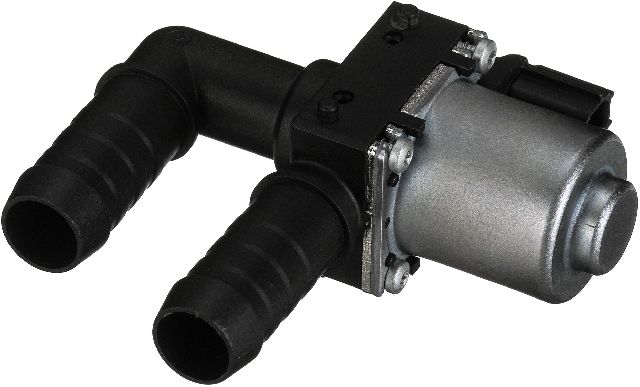
This is an electronically controlled valve that regulates coolant flow to the heater core. The 2020-2024 models use a different part than the previous generation (2017-2019), so verifying fitment by VIN is critical.
We Have This Part in Stock

The information in this article is provided for general reference and educational purposes only. Vehicle specifications, procedures, and part compatibility can vary by production date, trim level, and region. Always consult your vehicle's factory service manual and verify part numbers before purchasing or performing repairs. Safety-critical components such as airbags, seat belts, and braking systems should be installed by a qualified professional.
- Ford Explorer: