

Ford Transit (2017-2024) Engine Coolant Thermostat and Housing Guide
Is your Ford Transit's temperature gauge acting strange or is your heater blowing cold? Your thermostat might be the culprit.
- A P0128 check engine code almost always points to a failing thermostat that is stuck open.
- A stuck-closed thermostat will cause rapid overheating; pull over immediately if this happens.
- The OEM thermostat assembly is expensive, but some Transit owners report issues with cheaper aftermarket parts, recommending genuine Ford for reliability.
- When replacing the thermostat, it's a good time to inspect the cooling system and consider a flush, especially if your van has the older Motorcraft Orange coolant.
Is Your Transit's Thermostat Failing?
A faulty thermostat in a 2017-2024 Ford Transit can fail in two main ways: it can get stuck open or stuck closed. Each failure mode has distinct symptoms.
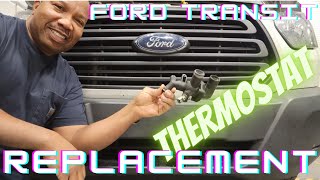
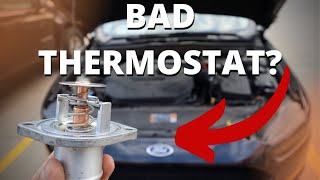
🎬 Watch: 7 common symptoms of a failing thermostatA thermostat that is stuck open will constantly circulate coolant, preventing the engine from reaching its proper operating temperature. This is especially noticeable in cold weather or during highway driving. You might see the temperature gauge drop while coasting or sitting at a light. This can lead to poor fuel economy, reduced heater performance, and may trigger a Check Engine Light with code P0128.
A thermostat that is stuck closed is more dangerous. It prevents coolant from reaching the radiator to be cooled. This will cause the engine to overheat quickly, which can lead to severe engine damage like a cracked cylinder head if not addressed immediately. If you see the temperature gauge climbing into the red, pull over and shut off the engine as soon as it is safe to do so.
Choosing the Right Aftermarket Thermostat
When shopping for a replacement thermostat for your Ford Transit, you will find both original equipment (OEM) and aftermarket options. The OEM part from Ford often comes as a complete housing assembly and can be very expensive.
OEM vs. Aftermarket: A Word of Caution
While aftermarket thermostats, like those from Gates, are significantly more affordable, some Transit owners have reported issues with them. Forum discussions mention that some non-OEM parts can cause weeping leaks or fail to regulate temperature correctly, leading to the job being done a second time. For this specific part on the Transit, many experienced owners recommend using the genuine Ford part to ensure a proper fit and long-term reliability, despite the higher initial cost.
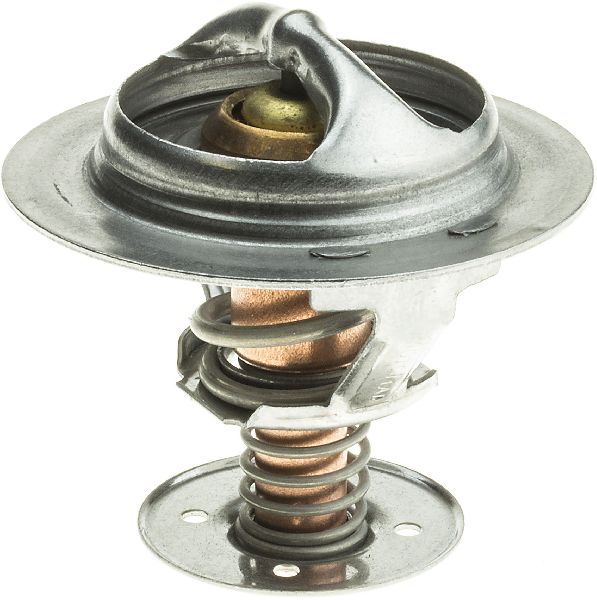
If your budget requires an aftermarket option, choose a reputable brand like Gates. Ensure the part is listed as a direct fit for your specific year and engine model (e.g., 3.5L EcoBoost, 3.7L Ti-VCT) to minimize potential issues.
Known Issues, TSBs, and Recalls
While there are no direct recalls for the thermostat itself, there are related service bulletins for the 2017-2024 Ford Transit:
- TSB 21-2408: Affects some 2015-2019 Transit models with the 3.7L engine and a block heater. It addresses a coolant leak from the thermostat housing O-ring.
- TSB 21-2038: For some 2015-2019 Transits built on or before Dec 31, 2018, this TSB addresses engine overheating. The cause is often deposits from the original Motorcraft Orange coolant clogging the radiator. The fix involves flushing the system, replacing the radiator, and refilling with the newer Motorcraft Yellow coolant. The procedure involves inspecting the thermostat.
- TSB 19-2097: Addresses lack of heat from the vents on some 2015-2019 models with 3.5L or 3.7L engines, also due to coolant deposits clogging the heater core. The repair procedure requires removing the thermostat to properly flush the system.
Replacement Cost
The cost to replace a thermostat on a Ford Transit can vary significantly based on the part you choose.
| Part Type | Estimated Cost |
|---|---|
| New OEM Part | $549 - $694 |
| New Aftermarket Part (Gates) | $32.66 |
| Shop Labor | $171 - $251 |
| Total Professional Repair (OEM) | $720 - $944+ |
| Total Professional Repair (Aftermarket) | $204 - $284+ |
Note: These prices are estimates and do not include taxes, fees, or the cost of new coolant. The high OEM part cost is because it is typically sold as a complete housing assembly.
Frequently Asked Questions (FAQ)
What are the main symptoms of a bad thermostat on a Ford Transit?
The most common signs are an overheating engine, an engine that takes too long to warm up, a temperature gauge that fluctuates or reads lower than normal, and a heater that doesn't blow hot air. You may also notice gurgling or rumbling sounds from the engine.
What does the code P0128 mean?
P0128 stands for "Coolant Temperature Below Thermostat Regulating Temperature." It means your van's computer has detected that the engine is not reaching its proper operating temperature in the expected amount of time. The most common cause for this code is a thermostat that is stuck open.
🎬 See how to fix a P0128 code on a 2021 TransitCan I replace the Transit thermostat myself?
For a mechanically skilled person, a DIY replacement is possible. The job involves draining the coolant, accessing the thermostat housing, replacing the part, and then refilling and bleeding the cooling system. However, given the part's location and the potential for issues with aftermarket parts, many owners may prefer a professional mechanic. The labor time is estimated to be around 2.9 hours for the 3.7L engine.
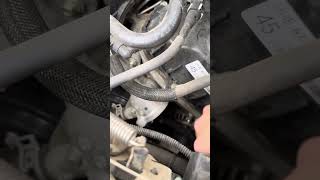
🎬 Watch this DIY walkthrough for the 3.7L water pump and thermostatShould I replace just the thermostat or the whole housing?
On many Ford Transits, the thermostat is integrated into a plastic housing. It is often sold as a complete assembly. Given that these plastic housings can become brittle and crack with age, it is highly recommended to replace the entire assembly rather than just the thermostat itself, even if you could source it separately.
Helpful Videos


Technical Specifications
OEM Part Numbers: BL3Z-8575-B BL3Z-8575-A BR3Z-8255-A (Gasket)
The thermostat for the Ford Transit is typically an integrated component within a plastic or composite housing. It is a non-serviceable unit, requiring the replacement of the entire assembly. Temperature ratings vary but are often around 180-190°F (82-88°C).
We Have This Part in Stock

The information in this article is provided for general reference and educational purposes only. Vehicle specifications, procedures, and part compatibility can vary by production date, trim level, and region. Always consult your vehicle's factory service manual and verify part numbers before purchasing or performing repairs. Safety-critical components such as airbags, seat belts, and braking systems should be installed by a qualified professional.
- Ford Transit: