

Genesis G80 (2017-2024) Serpentine Belt: A Complete Replacement Guide
Keep your G80's engine accessories running properly by knowing when to inspect and replace your serpentine belt.
- Inspect your G80's serpentine belt at 60,000 miles and replace it at the first sign of noise or visible wear.
- For G80 5.0L V8 models, pay close attention to the belt tensioner, as it is a common wear item that can cause belt issues.
- When replacing the belt, always inspect the tensioner and idler pulleys for wobble or noise and replace them as a set if possible.
- High-quality aftermarket brands like Gates, Continental, and Dayco offer OEM-level quality and are reliable choices.
Symptoms of a Failing Serpentine Belt
A serpentine belt is a wear item, meaning it will eventually need to be replaced. The rubber compound degrades over time from heat and friction. Before it fails completely, it will usually provide warning signs. Ignoring them can lead to the belt breaking, which will cause an immediate breakdown.
- Squealing or Chirping Noises: This is the most common symptom. A high-pitched squeal, especially on startup or when the A/C is turned on, often points to a slipping or worn belt. A repetitive chirp can indicate a misaligned or failing pulley, but is often related to the belt itself.
- Visible Wear and Tear: A visual inspection can reveal a lot. Look for cracks, fraying, glazing (a shiny, smooth surface), or missing ribs on the belt. Any visible damage means the belt is due for replacement.
- Accessory Malfunctions: If the belt slips or breaks, the components it powers will stop working. This can manifest as a battery warning light (alternator failure), 🎬 Watch this detailed walkthrough for replacing a Genesis V8 alternator. rapid engine overheating (water pump failure), 🎬 See how to replace the water pump on a G80 3.8L. or the air conditioning blowing warm air.
- Tensioner or Pulley Wobble: While watching the engine run, you may see the belt tensioner or an idler pulley wobbling. This indicates a bad bearing in the pulley, which can quickly destroy a new belt.
Pro Tip: Inspect Pulleys and Tensioners
When you replace your serpentine belt, it is critical to also inspect the belt tensioner and all idler pulleys. These components have bearings that wear out. A seized or wobbly pulley can shred a new belt in minutes. It is highly recommended to replace the tensioner and pulleys at the same time as the belt, especially on higher-mileage vehicles.
Choosing the Right Aftermarket Serpentine Belt
For the Genesis G80, the original equipment (OEM) belt is high quality, but top-tier aftermarket brands offer equal or sometimes superior performance at a better price. Brands like Gates, Continental, and Dayco are often the manufacturers for OEM belts, so you are getting a comparable part.
- Top Tier (OEM Quality or Better): Brands like Gates and Continental are widely considered industry leaders and are often OEM suppliers for many car manufacturers. They use advanced EPDM rubber compounds and cord materials that resist heat, cracking, and stretching, ensuring a long and quiet service life.
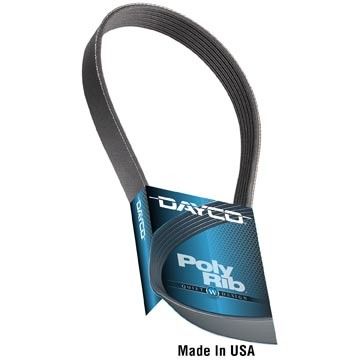
- Excellent Value: Dayco is another reputable brand that offers a great balance of quality and price. They are a popular choice for both professional mechanics and DIYers, providing reliable performance for daily driving.
Ultimately, choosing any of these three brands will provide you with a reliable replacement part for your G80.
Estimated Cost Comparison
| Part Type | Estimated Cost |
|---|---|
| New OEM Serpentine Belt | $53 - $129 |
| New Aftermarket Serpentine Belt | $23.84 - $87.15 |
| Shop Labor for Replacement | $91 - $133 |
Known Issues, Recalls, and TSBs
Searches of the NHTSA database and for official Technical Service Bulletins (TSBs) did not reveal any widespread recalls or service campaigns specifically for serpentine belt failure on the 2017-2024 Genesis G80. However, for the 5.0L V8 models (2017-2020), the belt tensioner assembly is a known common wear item that can fail, leading to belt-related noises and problems. A recall was issued for some 2021-2023 G80 models concerning a seat belt pretensioner, but this is part of the safety restraint system and is unrelated to the engine's serpentine belt.
Frequently Asked Questions (FAQ)
How often should I replace my G80's serpentine belt?
The Genesis maintenance schedule recommends the first inspection at 60,000 miles or 6 years, with subsequent inspections every 15,000 miles or 24 months. However, it's best to replace it at the first sign of cracking, fraying, or noise, regardless of mileage.
Is an aftermarket serpentine belt as good as the OEM part?
Yes. Reputable aftermarket brands like Gates, Continental, and Dayco manufacture belts that meet or exceed OEM specifications. Since these companies are often the original suppliers to carmakers, an aftermarket belt from one of them is equivalent to the genuine part, often at a lower cost.
What's the difference between a serpentine belt and a timing belt?
A serpentine belt runs external engine accessories like the alternator and water pump. A timing belt (or chain, in the case of the G80) is located inside the engine and synchronizes the crankshaft and camshafts. G80 engines use a timing chain, which is designed to last much longer than a serpentine belt.
Can I replace the serpentine belt myself?
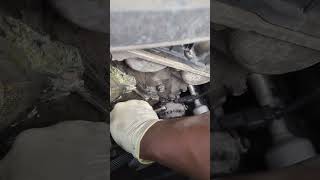
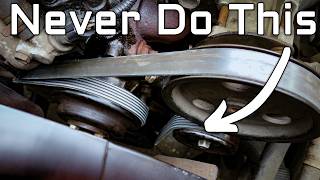
Yes, for many DIYers with the right tools, this is a feasible job. The key is having a serpentine belt tool or a long breaker bar to release the spring-loaded tensioner, and carefully routing the new belt according to the diagram (usually found on a sticker in the engine bay). 🎬 Watch this step-by-step guide on how to replace a serpentine belt. However, access can be tight, especially on V6 and V8 models.
Helpful Videos


Technical Specifications
OEM Part Numbers: 25212-3F501 (5.0L V8) 25212-3LTA0 (3.3T & 3.8L V6) 25212-3N650 (3.5T V6) 25212-2T000 (2.5T I4)
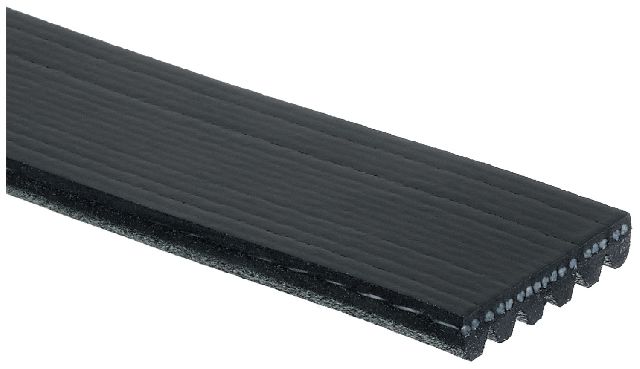
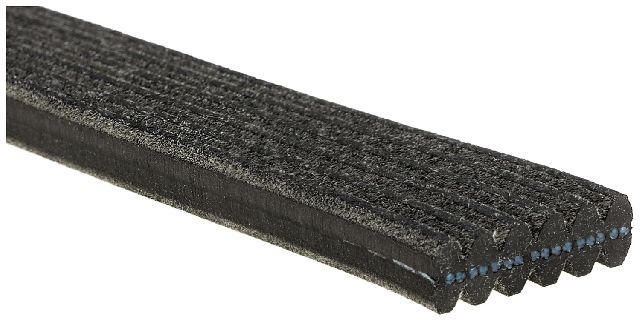
The Genesis G80 uses a multi-rib (or poly-v) serpentine belt made of EPDM rubber. The exact length and number of ribs vary depending on the engine (2.5T, 3.3T, 3.5T, 3.8L, or 5.0L).
We Have This Part in Stock

The information in this article is provided for general reference and educational purposes only. Vehicle specifications, procedures, and part compatibility can vary by production date, trim level, and region. Always consult your vehicle's factory service manual and verify part numbers before purchasing or performing repairs. Safety-critical components such as airbags, seat belts, and braking systems should be installed by a qualified professional.
- Genesis G80: