

Your Guide to the Mass Air Flow Sensor for the 2017-2024 Honda Civic
Is your Civic running rough, hesitating, or getting poor gas mileage? Your MAF sensor could be the problem.
- Before replacing, try cleaning the MAF sensor with a dedicated cleaner; it is often just dirty.
- For best results, choose an aftermarket brand that is a known OEM supplier for Honda, like Denso or Hitachi.
- If you have a 1.5L Turbo model with a P0101 code, check with a dealer about TSB 22-015 for a potential software update.
- Replacement is extremely easy and requires only a screwdriver, making it a great DIY-friendly repair.
Understanding the MAF Sensor in Your 2017-2024 Civic

The Mass Air Flow (MAF) sensor in your 10th or 11th generation Honda Civic is a sensitive electronic component that measures the volume of air entering the engine. This data is vital for the engine control unit (ECU) to maintain the correct air-fuel ratio. When this sensor fails or becomes dirty, it can send incorrect information, leading to a variety of noticeable engine problems. Fortunately, on the 2017-2024 Civic, the MAF sensor is one of the easiest parts to access and replace.
Symptoms of a Failing MAF Sensor


A dirty or faulty MAF sensor can mimic other engine problems, but it often produces a distinct set of symptoms. Here’s what to look out for:
- Check Engine Light: This is often the first sign. The most common trouble code associated with a MAF sensor issue is P0101 (Mass Air Flow Circuit Range/Performance). You may also see codes like P0102 (Circuit Low) or P0103 (Circuit High).
- Rough Idle: The engine may shake or vibrate at idle because the incorrect air-fuel mixture makes it unstable.
- Hesitation and Stalling: Your Civic might hesitate, jerk, or stumble during acceleration. In some cases, the engine may stall completely, especially shortly after starting.
- Poor Fuel Economy: If the sensor tells the computer there is more air than there actually is, the engine will run rich (too much fuel), causing your gas mileage to drop.
- Black Smoke from Exhaust: A very rich fuel mixture can result in black smoke coming from the tailpipe, which is unburnt fuel.
Known Issue: Contamination from Air Filters
The most common cause of MAF sensor failure isn't a defect, but contamination. Oily residue from aftermarket reusable air filters can coat the sensor's delicate wire, causing inaccurate readings. If you use an oiled filter, be careful not to apply too much oil after cleaning it. Sometimes, simply cleaning the MAF sensor with a dedicated cleaner spray can restore its function.
Honda Technical Service Bulletin (TSB) for 1.5T Engines

Honda has issued TSB 22-015 for some 2016–2023 Civic models with the 1.5L Turbo engine. This bulletin addresses a software issue where the ECU may misinterpret the MAF sensor data, leading to a P0101 trouble code. The fix is a MAF sensor calibration update performed by a Honda dealership. If your 1.5T Civic throws a P0101 code, it's worth checking if this TSB applies before replacing the sensor.
Choosing the Right Aftermarket MAF Sensor

While an OEM sensor from a Honda dealer is always an option, high-quality aftermarket parts can offer the same performance for less money. For a critical sensor like the MAF, brand reputation matters.
Tier 1: OEM Suppliers (Recommended)
- Denso & Hitachi: Both Denso and Hitachi are known original equipment manufacturers for Honda. Choosing a sensor from one of these brands is the closest you can get to OEM quality without the dealership price tag. Forum users frequently recommend sticking with the OEM supplier for critical sensors to avoid compatibility issues.
Tier 2: Reputable Aftermarket Brands
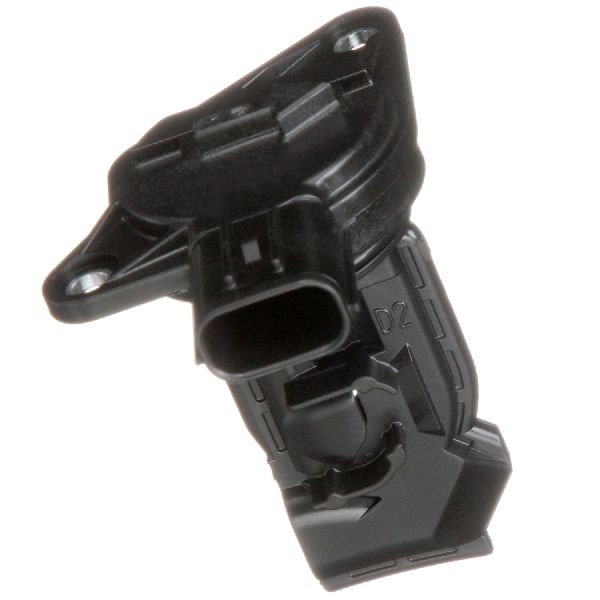
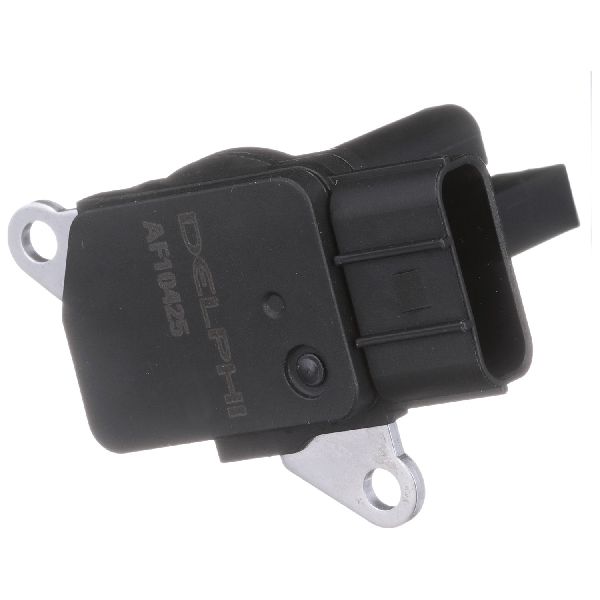
- Delphi: Delphi is a well-regarded brand that manufactures new (not remanufactured) MAF sensors to meet or exceed OE specifications. They are a solid choice for a reliable, lower-cost alternative.
- NGK/NTK & Standard Motor Products (SMP): Both brands have a strong reputation for producing quality engine management components.
Tier 3: Budget-Friendly Options
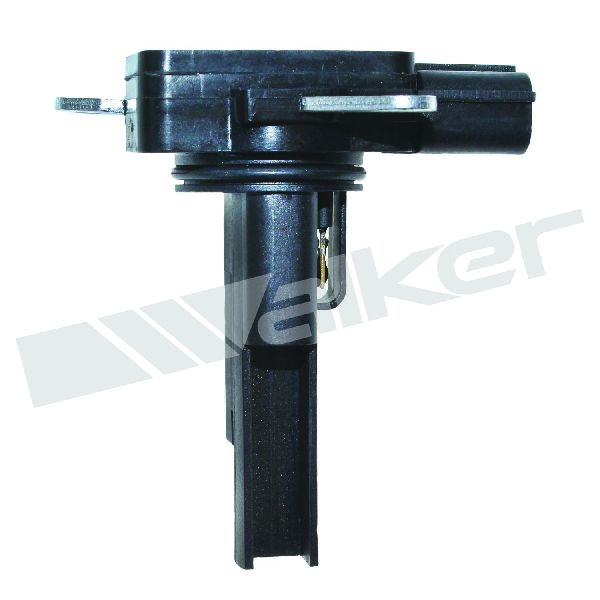
- Walker Products & Cardone: These brands offer more affordable options. While they can provide a functional replacement, some users in forums have reported inconsistent performance with budget sensors on other vehicles, sometimes requiring multiple replacements to find a good one.
Pro Tip: Sensor Only vs. Full Housing
For the 2017-2024 Civic, you can typically buy just the sensor element, which is held into the air intake tube with two screws. You do not need to replace the entire tube or housing. This makes the job cheaper and easier.
Cost of Replacing a Honda Civic MAF Sensor
| Part Type | Estimated Part Cost | Estimated Labor Cost | Total Estimated Cost |
|---|---|---|---|
| New Aftermarket | $73 - $239 | $39 - $58 | $112 - $297 |
| New OEM (Dealer) | $150 - $286 | $39 - $58 | $189 - $344 |
Cost estimates are based on national averages and may vary by location and specific vehicle model. Labor costs are based on a typical shop rate for a repair time of less than 30 minutes.
Frequently Asked Questions (FAQ)
Can I just clean my Civic's MAF sensor?
Yes, and you should try this first. Often, a MAF sensor is just dirty. Purchase a dedicated MAF sensor cleaner spray from an auto parts store. Never touch the internal wires. The process is simple: unplug the sensor, remove the two screws, carefully pull it out, spray it liberally with the cleaner, let it dry completely, and reinstall.
Is it difficult to replace the MAF sensor myself?
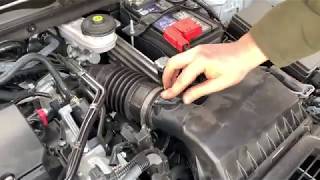
No, this is a very easy DIY job. It requires only a Phillips head screwdriver and takes about 10-15 minutes. The sensor is located directly on the air intake tube behind the air filter box and is held in by two screws and an electrical connector.
What is the difference between a MAF and a MAP sensor?
Your Civic has both. The MAF (Mass Air Flow) sensor measures the volume of air entering the intake. The MAP (Manifold Absolute Pressure) sensor measures the pressure (or vacuum) inside the intake manifold. The ECU uses data from both sensors to fine-tune fuel delivery and ignition timing.
Are there any recalls for the MAF sensor on the 2017-2024 Civic?
No, there are no specific recalls for the Mass Air Flow sensor on these models. There was a recall (NHTSA 24V-064) for some 2020-2022 Civics involving a *seat weight sensor* in the passenger seat, which is unrelated to the engine's MAF sensor.
Helpful Videos




Technical Specifications
OEM Part Numbers: 37980-5BA-A01 37980-RLF-013 37980-RPY-G01 37980-R11-A01 37980-R11-A02 37980-R40-A01 37980-RLF-003
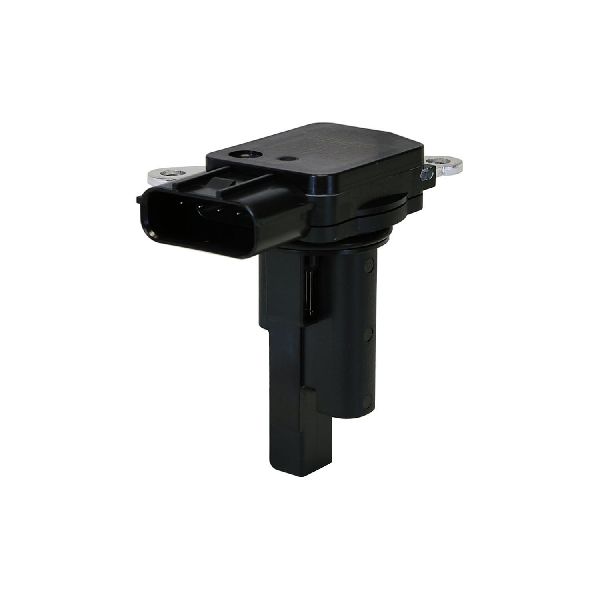
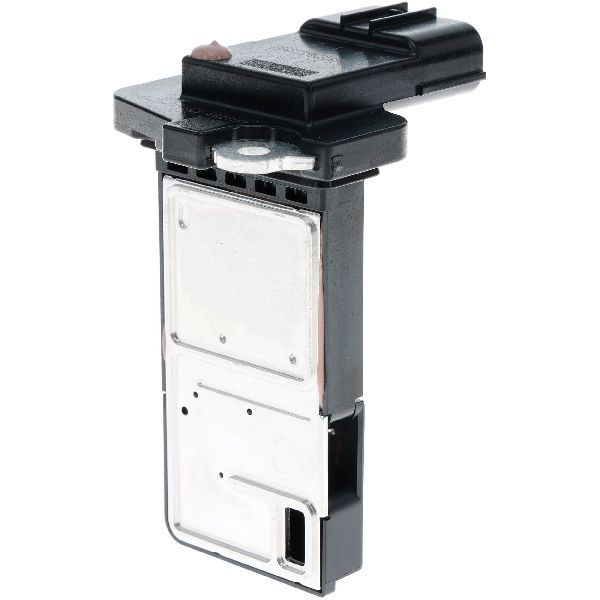
The MAF sensor for the 2017-2024 Honda Civic is a hot-wire type sensor that is installed in the air intake duct after the air filter housing. It is secured with two Phillips head screws and uses a single electrical connector.
We Have This Part in Stock

The information in this article is provided for general reference and educational purposes only. Vehicle specifications, procedures, and part compatibility can vary by production date, trim level, and region. Always consult your vehicle's factory service manual and verify part numbers before purchasing or performing repairs. Safety-critical components such as airbags, seat belts, and braking systems should be installed by a qualified professional.
- Honda Civic:
- 🎬 Helpful Videos
- 🛍️ Shop This Part
- Understanding the MAF Sensor in Your 2017-2024 Civic
- Symptoms of a Failing MAF Sensor
- Known Issue: Contamination from Air Filters
- Honda Technical Service Bulletin (TSB) for 1.5T Engines
- Choosing the Right Aftermarket MAF Sensor
- Pro Tip: Sensor Only vs. Full Housing
- Cost of Replacing a Honda Civic MAF Sensor
- Frequently Asked Questions (FAQ)
- 🎟️ Get 5% Off