

A Guide to the Mass Air Flow Sensor for the 2017-2024 Honda CR-V
Fix poor engine performance and check engine lights by understanding your CR-V's Mass Air Flow sensor.
- Always try cleaning the MAF sensor with dedicated cleaner before replacing it.
- For best results, choose an OEM brand like Hitachi or Denso, or a premium aftermarket brand like Delphi.
- Before replacing the sensor, inspect the engine air filter and intake hose for dirt or damage.
- Replacement is a very simple DIY task that requires only a Phillips screwdriver and takes about 15 minutes.
Is Your Honda CR-V's MAF Sensor Failing?

A dirty or failing Mass Air Flow (MAF) sensor can cause noticeable problems with how your CR-V drives. Because the sensor provides vital information for the air-fuel mixture, any incorrect readings can lead to poor performance. The most common symptoms are often related to engine stability and acceleration.
Key Symptoms of a Bad MAF Sensor:
- Check Engine Light: This is often the first warning. The most common code triggered is P0101, which indicates a problem with the MAF sensor's range or performance.
- Engine Hesitation or Jerking: When you accelerate, the vehicle may stumble, jerk, or feel sluggish.
- Rough Idle: Your CR-V may shake or idle unevenly when stopped. In some cases, the engine may stall completely.
- Reduced Fuel Economy: A bad sensor can cause the engine to use more fuel than necessary, so you'll find yourself at the gas pump more often.
- Black Smoke from Exhaust: This is a sign that the engine is running too rich (too much fuel and not enough air), which can be caused by a faulty MAF sensor reading.
First, Try Cleaning the MAF Sensor
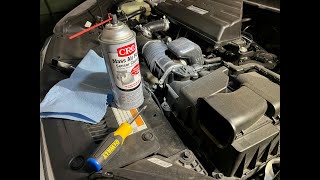
Before you buy a new part, try cleaning the existing sensor. Dirt and oil can build up on the sensor's delicate wires, causing incorrect readings. You can buy a specific MAF sensor cleaner spray at any auto parts store. The process is simple: remove the sensor, spray the wires generously according to the cleaner's instructions, let it dry completely without touching the wires, and reinstall it. This simple step fixes the problem for many owners.
🎬 Watch this step-by-step guide on cleaning your MAF sensor.Choosing the Right Aftermarket MAF Sensor

If cleaning doesn't work, you'll need a replacement. For a sensitive part like the MAF sensor, quality matters. While many brands are available, they are not all created equal. Using a low-quality sensor can cause persistent problems and may not solve the original issue.
Brand Quality Tiers for Honda CR-V
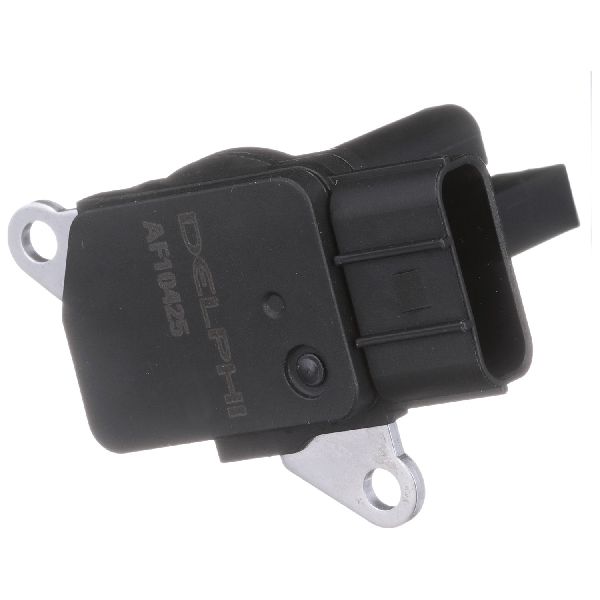
- Tier 1 (OEM / Premium Aftermarket): Hitachi and Denso are original equipment manufacturers for Honda, meaning their parts are the same as what the factory installed. Choosing one of these brands is the safest bet for guaranteed compatibility and performance. Delphi and NGK are also top-tier aftermarket brands known for high-quality sensors that meet or exceed OEM standards.
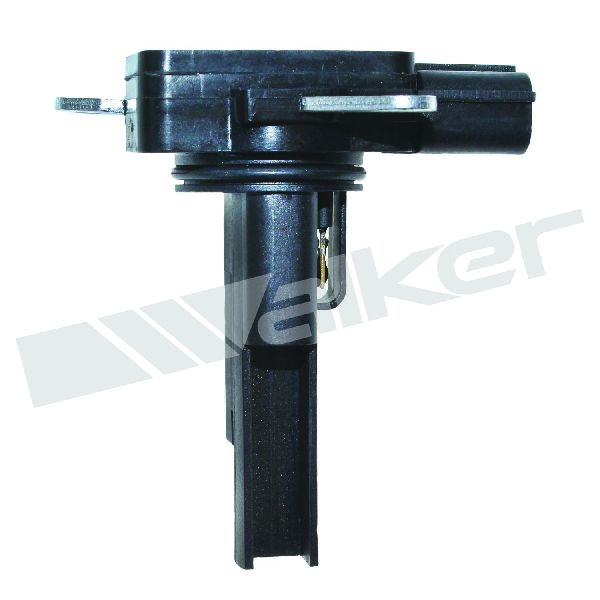
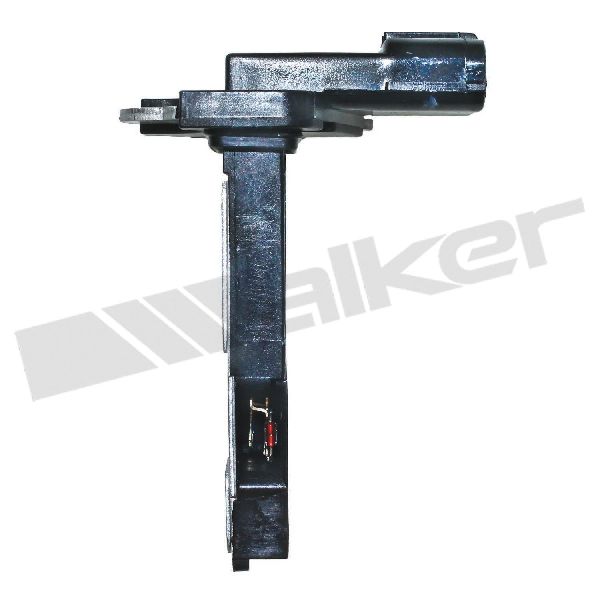
- Tier 2 (Reputable Aftermarket): Brands like Standard Ignition (SMP) and Walker Products offer a balance of quality and value. They are generally reliable but may not have the same level of precision or longevity as an OEM part.
- Tier 3 (Budget Brands): Lower-cost options, including some Cardone (often remanufactured) parts, can be a gamble. While they are affordable, forum discussions show they can sometimes be poorly calibrated for Honda's sensitive engine electronics, leading to ongoing issues.
A Note on the 1.5L Turbo Engine
The 1.5L turbocharged engine in the 2017-2024 CR-V is highly dependent on accurate sensor readings to manage boost and fuel delivery. Using a cheap, poorly calibrated MAF sensor is more likely to cause problems on this engine than on an older, non-turbo vehicle. Sticking with an OEM or Premium Aftermarket brand is strongly recommended.
Cost of Replacing a MAF Sensor on a 2017-2024 Honda CR-V
| Part Type | Estimated Cost |
|---|---|
| New OEM (Hitachi/Denso) | $150 - $300 |
| New Aftermarket | $73 - $445 |
| Shop Labor | $50 - $100 |
Frequently Asked Questions (FAQ)

Is it difficult to replace the MAF sensor myself?
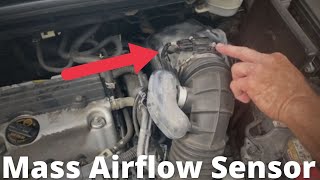
No, this is a very easy DIY job. The sensor is located on the air intake tube right behind the air filter box. 🎬 Watch this video to quickly locate the sensor on your engine. It is held in place by two Phillips screws and has a single electrical connector. The entire job can be done in about 15 minutes with just a screwdriver.
🎬 See how easy it is to replace the sensor yourself.Are there any recalls for the MAF sensor on the 2017-2024 CR-V?
No, as of early 2026, there are no specific recalls or technical service bulletins (TSBs) from Honda for Mass Air Flow sensor failure on this generation of the CR-V.
What is the most common mistake when ordering a MAF sensor?
The most common mistake is buying the cheapest available part without considering the brand's reputation. For modern engines like the one in your CR-V, a poorly made sensor can cause more problems than it solves. Another common issue is misdiagnosing the problem; always check for a dirty air filter or cracks in the air intake hose first, as these can cause the same P0101 code.
Do I need to disconnect the battery or reset the computer after replacement?
It is good practice to disconnect the negative battery terminal before starting the replacement. After installing the new sensor, the check engine light may turn off on its own after a few drive cycles (20-30 miles). Alternatively, you can clear the codes immediately with an OBD-II scanner or by leaving the battery disconnected for a few minutes.
Helpful Videos


Technical Specifications
OEM Part Numbers: 37980-5BA-A01
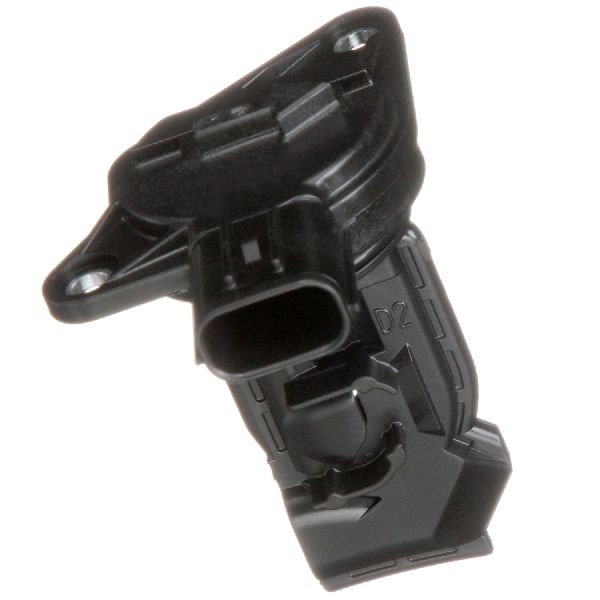
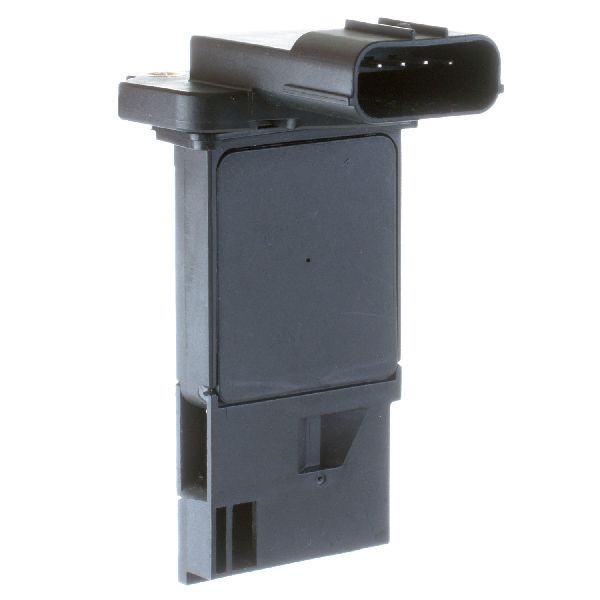
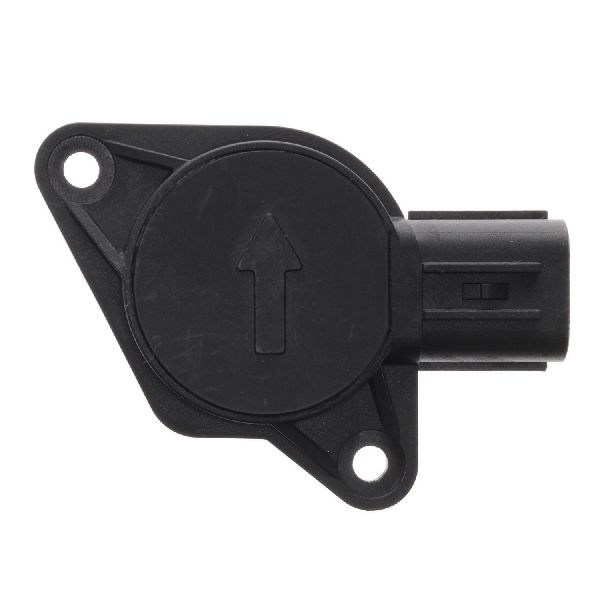
The MAF sensor for the 2017-2024 Honda CR-V is a digital sensor that mounts to the air filter housing with two screws. It uses a hot-wire element to measure air mass and includes an integrated Intake Air Temperature (IAT) sensor.
We Have This Part in Stock

The information in this article is provided for general reference and educational purposes only. Vehicle specifications, procedures, and part compatibility can vary by production date, trim level, and region. Always consult your vehicle's factory service manual and verify part numbers before purchasing or performing repairs. Safety-critical components such as airbags, seat belts, and braking systems should be installed by a qualified professional.
- Honda CR-V:
- 🎬 Helpful Videos
- 🛍️ Shop This Part
- Is Your Honda CR-V's MAF Sensor Failing?
- Key Symptoms of a Bad MAF Sensor:
- First, Try Cleaning the MAF Sensor
- Choosing the Right Aftermarket MAF Sensor
- Brand Quality Tiers for Honda CR-V
- A Note on the 1.5L Turbo Engine
- Cost of Replacing a MAF Sensor on a 2017-2024 Honda CR-V
- Frequently Asked Questions (FAQ)
- 🎟️ Get 5% Off