

Honda Pilot A/C Expansion Valve: 2017-2024 Replacement Guide
Is your Pilot's A/C blowing warm air? This guide covers a common but tricky-to-diagnose part.
- First, rule out other common Honda Pilot A/C issues like a leaking compressor seal (TSB 23-060) or condenser, which have similar symptoms.
- Replacement is not a DIY job for most people; it requires specialized A/C service equipment to handle refrigerant.
- Always replace the A/C receiver/drier at the same time as the expansion valve to protect the system.
- Aftermarket brands like Four Seasons and Global Parts offer a reliable, cost-effective alternative to the more expensive OEM part.
Is Your Pilot's A/C Blowing Warm?

One of the most common complaints for the 2017-2024 Honda Pilot is an air conditioner that doesn't blow cold air. While several parts could be the culprit, a failed A/C expansion valve is a frequent cause. This component controls refrigerant flow, and when it fails, it can leave you without cool air on a hot day.
Symptoms of a Bad A/C Expansion Valve
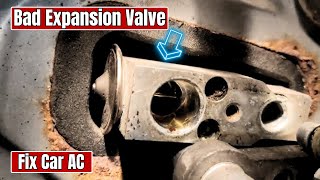
🎬 See a visual breakdown of common bad expansion valve symptoms.- Warm or Inconsistent Air: The most obvious sign is warm air coming from the vents, even when the A/C is set to max cold. You might also experience fluctuating temperatures, where the air goes from cool to warm and back again.
- Frost on Vents or A/C Lines: If the valve is stuck open, it can allow too much refrigerant into the evaporator, causing it to freeze. You might see frost coming from the vents or building up on A/C components under the hood.
- A/C Compressor Runs Constantly: A faulty valve can send incorrect signals back through the system, causing the A/C compressor to run all the time instead of cycling on and off.
- Hissing Sound from Dash: A quiet hissing sound from behind the dashboard can indicate the valve is operating, but a loud or unusual hissing may point to a problem.
Check for Other Common Issues First
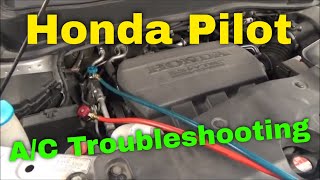
🎬 Watch: A helpful guide to troubleshooting Honda Pilot A/C issues.The symptoms of a bad expansion valve are very similar to other known A/C issues on the 2017-2024 Pilot. Before replacing the valve, it's critical to rule these out:
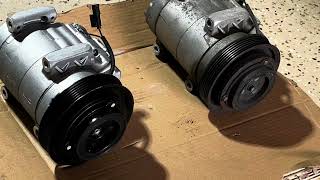
- A/C Compressor Shaft Seal Leak (TSB 23-060): Honda issued a Technical Service Bulletin for 2019-2022 Pilot models for an A/C compressor shaft seal that can leak refrigerant. This is a very common cause of warm A/C and should be investigated by a professional.
- Leaking A/C Condenser (Warranty Extension): Honda has also extended the warranty for A/C condensers on many models, which can develop tiny leaks. A leak here will cause a loss of refrigerant and poor cooling.
Choosing an Aftermarket A/C Expansion Valve

When it's confirmed that the expansion valve is the problem, you have a choice between OEM (Original Equipment Manufacturer) and aftermarket parts. For a component like an expansion valve, an aftermarket part from a reputable brand offers excellent value.
- OEM: An OEM valve is the same part your Pilot was built with. It guarantees a perfect fit and performance but comes at a significantly higher cost.
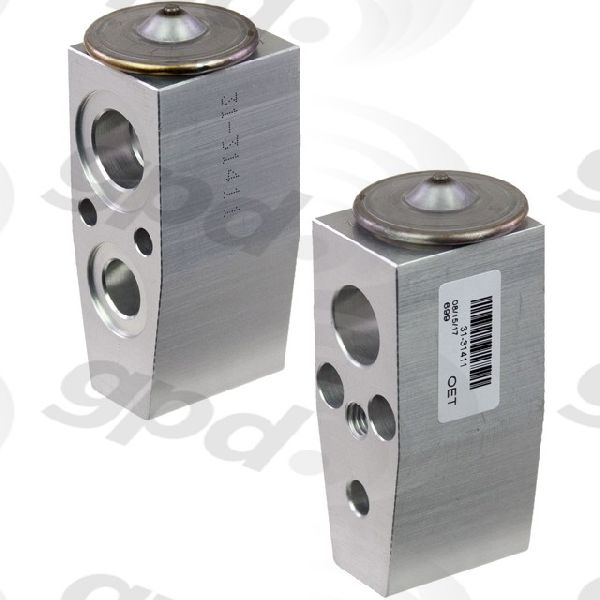
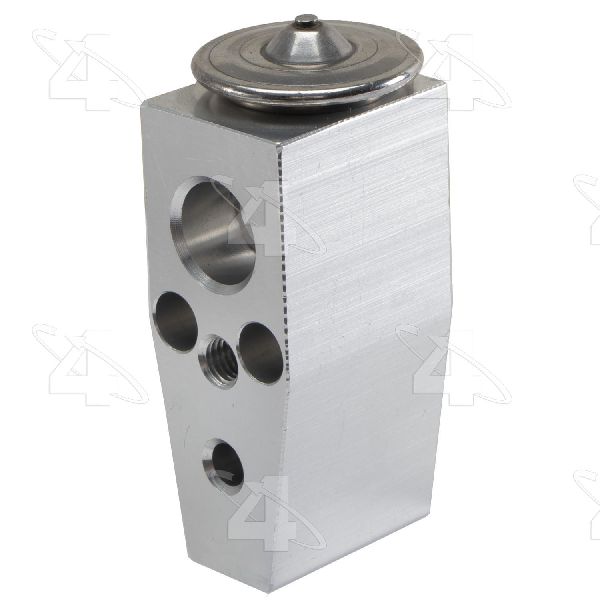
- Aftermarket (Four Seasons, Global Parts): Brands like Four Seasons and Global Parts specialize in A/C components. They are designed to meet or exceed the original specifications and are a cost-effective solution. Since the expansion valve is a relatively simple mechanical part, a quality aftermarket version is a reliable choice for most owners. The cost savings are substantial, especially since the majority of the replacement cost is labor.
Always Replace the Receiver/Drier
Whenever the A/C system is opened to the atmosphere, you MUST replace the A/C receiver/drier (also called a desiccant). This part absorbs moisture from the refrigerant. A new one is required to protect your new expansion valve and the rest of the A/C system from moisture and contamination. Failing to replace it can cause the new parts to fail quickly.
Cost to Replace a Honda Pilot Expansion Valve

The part itself is inexpensive, but the labor is where the cost lies. The job requires specialized equipment to safely recover and recharge the refrigerant.
| Item | Estimated Cost |
|---|---|
| New Aftermarket Expansion Valve | $25 - $35 |
| New OEM Expansion Valve | $70 - $120 |
| Shop Labor & System Recharge | $250 - $450 |
| Total Estimated Cost (Aftermarket) | $275 - $485 |
Frequently Asked Questions

Can I replace the expansion valve myself?
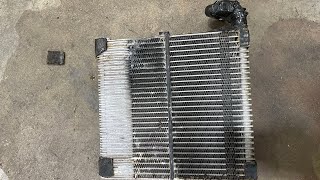
This is not recommended for beginners. The job requires the legal recovery of old refrigerant and a full system vacuum and recharge with specialized gauges and a vacuum pump. The valve is also located in a tight space behind the glove compartment. 🎬 Watch: See how to access the evaporator and expansion valve. For safety and to ensure the job is done right, professional installation is best.
Is there a recall on the A/C expansion valve for the Honda Pilot?
No, there are no recalls for the A/C expansion valve on the 2017-2024 Honda Pilot. However, there are warranty extensions and service bulletins for other A/C components that cause similar symptoms, like the compressor seal and condenser.
My A/C is cold on the passenger side but warm on the driver's side. Is that the expansion valve?
This specific symptom usually points to a low refrigerant charge. While a faulty expansion valve can cause this, it's more often due to a refrigerant leak somewhere in the system. The known issues with the compressor shaft seal or condenser are more likely culprits.
How does a mechanic diagnose a bad expansion valve?
A technician will connect a set of manifold gauges to the A/C system's high and low-pressure ports. Abnormal pressure readings—such as very low pressure on the low side or bouncing needles—can point directly to a clogged or sticking expansion valve. They will also use temperature probes to check for a significant temperature drop across the valve.
Helpful Videos
Technical Specifications
OEM Part Numbers: 80221-TG7-A41 80221-TG7-A51 80221-TZ5-A51
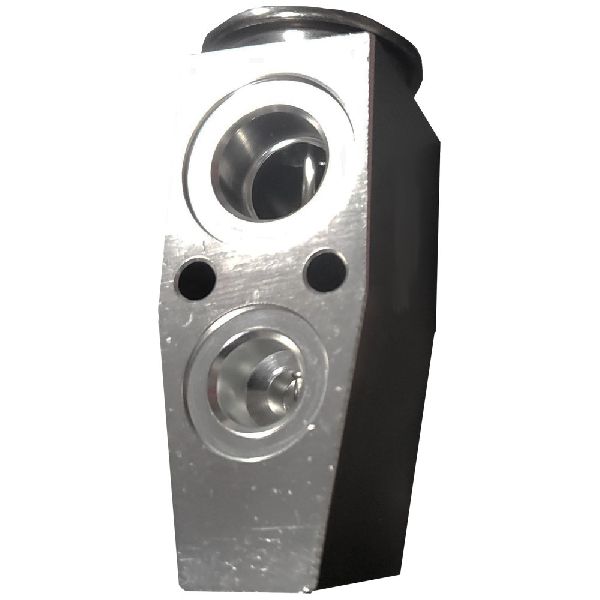
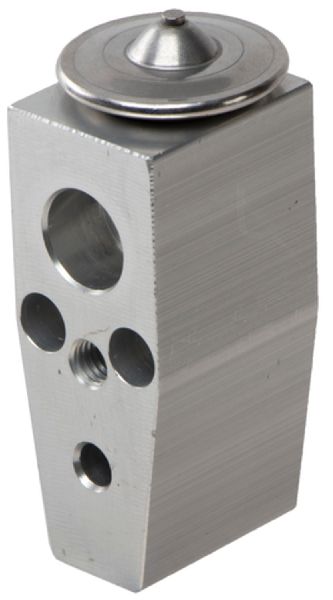
Block-type thermal expansion valve.
We Have This Part in Stock

The information in this article is provided for general reference and educational purposes only. Vehicle specifications, procedures, and part compatibility can vary by production date, trim level, and region. Always consult your vehicle's factory service manual and verify part numbers before purchasing or performing repairs. Safety-critical components such as airbags, seat belts, and braking systems should be installed by a qualified professional.
- Honda Pilot:
- 🎬 Helpful Videos
- 🛍️ Shop This Part
- Is Your Pilot's A/C Blowing Warm?
- Symptoms of a Bad A/C Expansion Valve
- Check for Other Common Issues First
- Choosing an Aftermarket A/C Expansion Valve
- Always Replace the Receiver/Drier
- Cost to Replace a Honda Pilot Expansion Valve
- Frequently Asked Questions
- 🎟️ Get 5% Off