

A Guide to the Engine Crankshaft Position Sensor for the 2020-2024 Lincoln Aviator
Understand, diagnose, and choose the right replacement crankshaft position sensor for your Aviator's 3.0L V6 engine.
- A failing sensor can cause your Aviator to stall suddenly while driving, which is a critical safety hazard.
- The most common symptoms are a check engine light (P0335), engine stalling, and a no-start condition.
- There are no specific recalls or TSBs for this part on the 2020-2024 Aviator.
- For a critical part like this, choosing a quality aftermarket brand like Delphi or Standard Ignition is recommended over budget options.
Is Your Aviator Stalling or Running Rough? It Could Be the Crankshaft Sensor.
A failing crankshaft position sensor can cause significant and sudden engine problems. Because this sensor provides one of the most fundamental inputs to the engine computer, a bad signal can make the vehicle unreliable and unsafe to drive. Understanding the symptoms and choosing a quality replacement part is key to a lasting repair.
Critical Failure Warning
The most dangerous symptom of a bad crankshaft position sensor is the engine stalling suddenly while driving. This can happen at any speed and without warning, creating a significant safety risk. If you suspect your sensor is failing, it is highly recommended to stop driving the vehicle until it can be inspected and repaired.
Common Symptoms of Failure
When the crankshaft position sensor begins to fail, it will typically trigger the Check Engine Light and may cause one or more of the following issues:
- Check Engine Light: The PCM will log a fault code, most commonly P0335, when it detects a problem with the sensor's circuit.
- Engine Stalling: The engine may cut out intermittently, either while idling or driving.
- No Start or Hard Start: The engine may crank but fail to start, or take an unusually long time to fire up because the PCM isn't receiving the signal it needs to initiate spark and fuel.
- Rough Idle and Misfires: The engine may shake, vibrate, or run unevenly at idle due to incorrect timing information.
- Poor Acceleration: You may notice a clear loss of power and sluggish performance because the engine timing cannot advance correctly under load.
- Reduced Fuel Economy: Inefficient ignition timing and fuel delivery caused by a faulty sensor can lead to the engine consuming more fuel.
Known Issues, Recalls, or TSBs
As of late 2023, there are no specific NHTSA safety recalls or Technical Service Bulletins (TSBs) issued for the crankshaft position sensor on the 2020-2024 Lincoln Aviator. While the Aviator has been subject to other recalls, this particular component has not been identified as a widespread, systemic problem requiring a mandatory service action.
Choosing the Right Aftermarket Sensor
When replacing the crankshaft sensor, you have a choice between OEM and several aftermarket brands. For a critical sensor like this, quality and reliability are more important than saving a few dollars.
Brand Quality Tiers:
- Top Tier (OEM Equivalent): Brands like Delphi are often the original equipment manufacturer for companies like Ford. Choosing a brand that is an OE supplier generally ensures the best fit and performance, though some users in forums note that aftermarket parts from OE suppliers may not always match the quality of the dealer part.
- Quality Aftermarket: Standard Ignition (SMP) is a well-known aftermarket brand with a long history. They are generally considered a reliable choice for replacement sensors and are often a good balance of price and quality.
- Economy Tier: Brands like Walker Products and Global Parts typically offer the most budget-friendly options. While functional, they may not have the same long-term durability or precise calibration as higher-tier brands. For a sensor this critical to engine operation, it is often wise to invest in a better-quality part to avoid future failures.
A Note on Relearn Procedures
After replacing a crankshaft position sensor, some vehicles require a "crankshaft position variation relearn" procedure. This allows the PCM to learn the new sensor's specific signal and account for tiny manufacturing tolerances. If this is not performed, the vehicle may still run poorly or set a P0315 trouble code. Check your vehicle's service manual or consult a professional to see if this is required for your Aviator.
Cost to Replace the Crankshaft Position Sensor
The total cost depends on whether you do the work yourself or hire a professional shop. The part itself is relatively inexpensive.
| Item | Estimated Cost |
|---|---|
| New OEM Part | $60 - $105 |
| New Aftermarket Part | $22 - $41 |
| Shop Labor | $104 - $152 |
| Total Professional Replacement | $147 - $247 |
Frequently Asked Questions (FAQ)
Where is the crankshaft position sensor located on the 2020-2024 Lincoln Aviator?
The crankshaft position sensor is mounted on the engine block. It is positioned to read a toothed reluctor wheel on the crankshaft, often near the main front pulley or on the rear of the engine near the transmission bell housing.
Can I replace this sensor myself?
For a moderately experienced DIY mechanic, this is a feasible job. It typically involves disconnecting the battery, locating the sensor, removing a single bolt, and disconnecting the electrical connector. Access can sometimes be tight, which is the main difficulty. If you are not comfortable working in tight spaces around the engine, it's best to leave it to a professional.
What happens if I ignore a bad crankshaft sensor?
Ignoring the problem is not recommended. The symptoms will likely worsen, leading to a vehicle that won't start at all, leaving you stranded. The most significant risk is the engine stalling unexpectedly while driving, which can lead to a crash.
Is there a difference between a crank sensor and a cam sensor?
Yes. The crankshaft position sensor tracks the rotation of the crankshaft at the bottom of the engine. The camshaft position sensor tracks the rotation of the camshaft(s) at the top of the engine. The PCM compares both signals to control timing and verify the engine is mechanically sound. While they perform similar functions, they are not interchangeable.
Technical Specifications
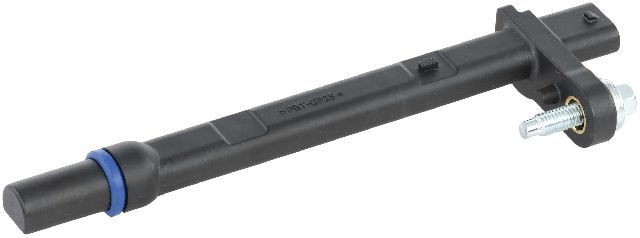
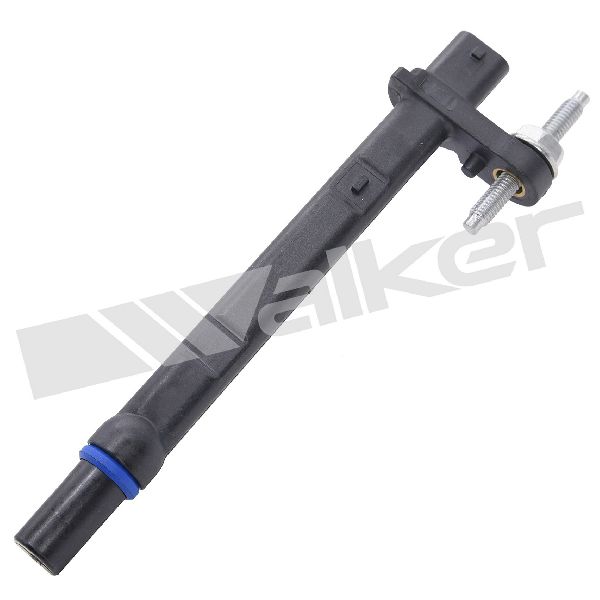
OEM Part Numbers: FT4Z-6C315-C FT4Z-6C315-A JT4Z-6C315-A
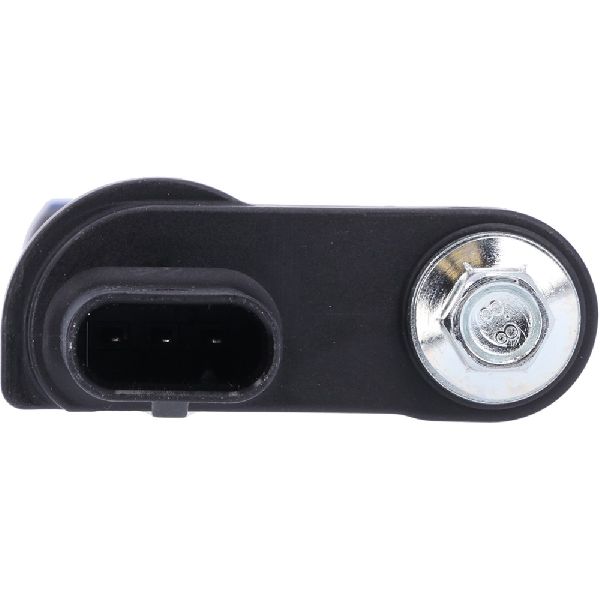
Hall Effect Sensor, 3-pin connector
We Have This Part in Stock

The information in this article is provided for general reference and educational purposes only. Vehicle specifications, procedures, and part compatibility can vary by production date, trim level, and region. Always consult your vehicle's factory service manual and verify part numbers before purchasing or performing repairs. Safety-critical components such as airbags, seat belts, and braking systems should be installed by a qualified professional.
- Lincoln Aviator:
- 🛍️ Shop This Part
- Is Your Aviator Stalling or Running Rough? It Could Be the Crankshaft Sensor.
- Critical Failure Warning
- Common Symptoms of Failure
- Known Issues, Recalls, or TSBs
- Choosing the Right Aftermarket Sensor
- A Note on Relearn Procedures
- Cost to Replace the Crankshaft Position Sensor
- Frequently Asked Questions (FAQ)
- 🎟️ Get 5% Off