

A Guide to Spark Plug Replacement for the 2017-2024 Mini Cooper
Keep your Mini's turbocharged engine running smoothly with the right spark plugs.
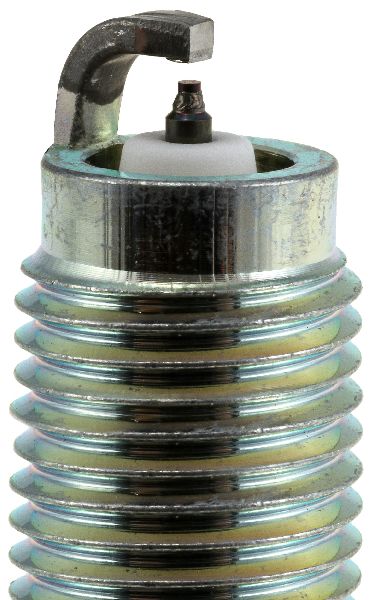
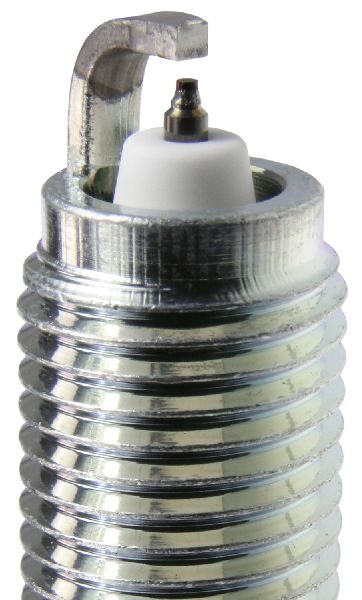
- Use only high-quality Iridium or Platinum spark plugs from brands like NGK or Bosch for best performance and longevity.
- Replacement is a simple DIY job but requires a special 14mm 12-point thin-wall spark plug socket.
- For optimal engine health, plan to replace your spark plugs every 40,000 to 60,000 miles.
- A flashing check engine light indicates a misfire; stop driving and have the vehicle checked to avoid catalytic converter damage.
Why Spark Plugs Matter for Your Mini
In a high-performance, turbocharged engine like the one in your 2017-2024 Mini Cooper, spark plugs work hard. They need to deliver a perfect spark every time to burn fuel efficiently. Over time, the electrodes on the plugs wear down, which can lead to a weaker spark. This can cause a range of problems, from annoying hesitations to a flashing check engine light. Replacing them on schedule is key to maintaining the performance and fuel efficiency you expect from your car.
Symptoms of Failing Spark Plugs

When your spark plugs are wearing out, your Mini will usually give you a few warning signs. You might not notice them at first, but they tend to get worse over time. Common symptoms include:
🎬 See a breakdown of why your Mini might be running rough.- Rough Idle: The engine may shake or vibrate more than usual when you're stopped.
- Engine Misfires: You might feel a hesitation or stumble during acceleration. This can also trigger a flashing check engine light.
- Poor Acceleration: The car may feel sluggish or slow to respond when you press the gas pedal.
- Worse Fuel Economy: Worn plugs don't burn fuel as efficiently, so you might find yourself visiting the gas station more often.
- Trouble Starting: A weak spark can make it harder for the engine to start, especially in cold weather.
Check Engine Light
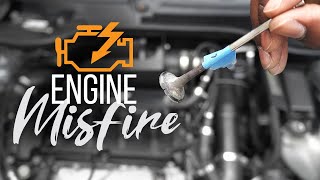
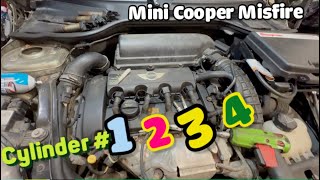
A failing spark plug is a common cause for a check engine light. If the light is flashing, it often signals an engine misfire that could damage your expensive catalytic converter. 🎬 Watch how to diagnose and fix specific cylinder misfire codes. It's best to get this checked out as soon as possible.
Choosing the Right Aftermarket Spark Plug: OEM vs. Aftermarket

When you buy an "OEM" spark plug from a Mini dealer, you're getting a part made by a major manufacturer like NGK, Bosch, or Champion, just in a Mini-branded box. Mini has used all of these brands as original equipment suppliers. For your 2017-2024 Cooper, you can get the same or even better quality by buying directly from a top-tier aftermarket brand.
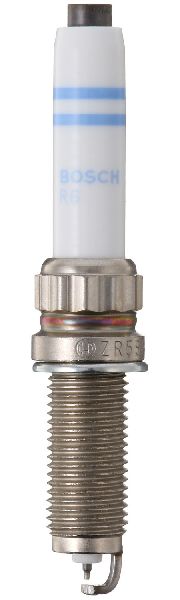
Bosch and NGK are the two most recommended brands for modern Mini Coopers. Both are known for their German and Japanese engineering, respectively, and produce high-quality Iridium and Platinum plugs that meet or exceed OEM specifications. Forum users and mechanics often prefer NGK for its consistent performance, but Bosch is also an excellent choice and is frequently used as original equipment in BMW and Mini vehicles. You can confidently choose either brand based on price and availability.
Pro Tip: Always use Iridium or double Platinum spark plugs for your turbocharged Mini engine. Avoid basic copper plugs, as they will not last long and can cause performance issues.
Cost of Replacing Mini Cooper Spark Plugs
| Part Type | Estimated Cost (Per Plug) |
|---|---|
| New OEM | $20 - $33 |
| New Aftermarket (Bosch/NGK Iridium) | $15 - $30 |
| Shop Labor | $100 - $150 |
Frequently Asked Questions

How often should I change my Mini Cooper's spark plugs?
While some owner's manuals suggest intervals as low as 30,000 miles, modern iridium plugs can last much longer. For optimal performance in a turbocharged engine, a good rule of thumb is to inspect them around 30,000 miles and plan for replacement every 40,000 to 60,000 miles, or if you notice any performance issues.
Is replacing the spark plugs a DIY job? 🎬 Watch this quick walkthrough of the spark plug replacement process.
Yes, this is a very manageable DIY task for most people. It involves removing the plastic engine cover and then removing one ignition coil and spark plug at a time. The key is having the right tool.
What tools do I need to change the spark plugs?
You will need a ratchet with an extension and a special 14mm 12-point thin-wall spark plug socket. A standard spark plug socket will not work. You will also need a torque wrench to tighten the new plugs correctly to 23 Nm (about 17 ft-lbs).
Do I need to gap the new spark plugs?
No. High-quality aftermarket plugs from brands like Bosch and NGK come pre-gapped from the factory for your vehicle. Do not try to adjust the gap, as you can easily damage the fine iridium or platinum tip.
Should I use anti-seize on the threads?
No. Modern spark plugs from NGK and Bosch have a special plating on the threads that prevents them from seizing in the cylinder head. Adding anti-seize can act as a lubricant, causing you to over-torque the plug and potentially damage the engine's cylinder head.
Helpful Videos
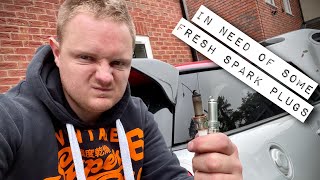
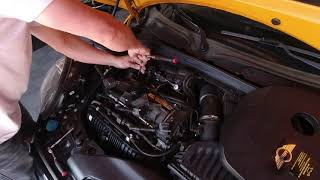
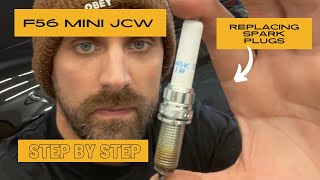

Technical Specifications
OEM Part Numbers: 12-12-2-455-258
Required Tool: 14mm 12-point (bi-hex) thin-wall spark plug socket. Plug Type: Iridium or Double Platinum. Gap: Pre-set from the factory, do not adjust. Torque Specification: 23 Nm (17 ft-lbs).
We Have This Part in Stock

The information in this article is provided for general reference and educational purposes only. Vehicle specifications, procedures, and part compatibility can vary by production date, trim level, and region. Always consult your vehicle's factory service manual and verify part numbers before purchasing or performing repairs. Safety-critical components such as airbags, seat belts, and braking systems should be installed by a qualified professional.
- Mini Cooper: