

A Professional Mechanic's Guide to 2017-2025 BMW X1 Brake Pad Replacement
Stop dealing with squealing brakes and dusty wheels by choosing the right replacement pads for your X1.
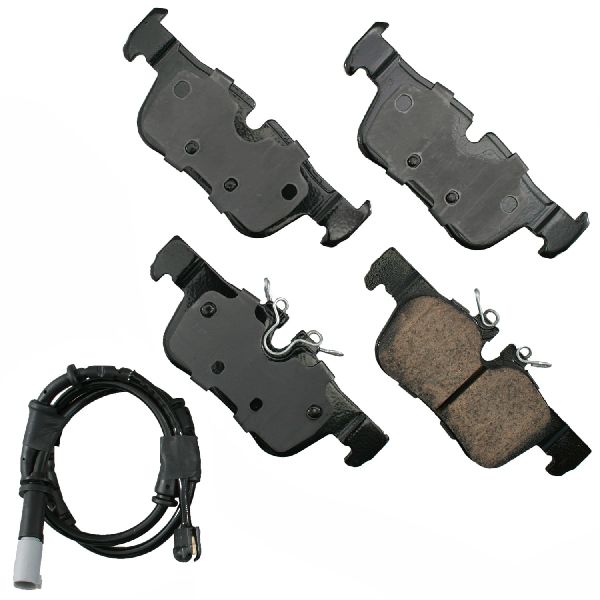
- You must replace the single-use brake wear sensor with the pads to reset the dashboard warning light.
- For rear brake jobs, a scan tool is required to put the Electronic Parking Brake (EPB) into service mode before compressing the caliper piston.
- Switching to aftermarket ceramic pads from brands like Akebono is the most effective way to reduce the heavy brake dust common with OEM pads.
- Check for the 24V-104 recall on 2023-2024 models, which involves a potentially faulty integrated brake system.
Symptoms of Worn Brake Pads on a BMW X1
Your BMW is designed to tell you when its brakes need attention. The most obvious sign is the brake warning light on your dashboard, triggered by the wear sensor. You might also hear a high-pitched squealing noise when you apply the brakes, which can happen just before the sensor is tripped. If you hear a harsh grinding sound, it's a critical sign that the pads are completely worn away and the metal backing plate is damaging the brake rotors. Some owners also report a pulsating or vibrating feeling in the brake pedal as a sign of worn components.
Known Issues, Recalls, and Service Bulletins
Safety Recall: Integrated Brake System (2023-2024 Models)
BMW issued a recall (NHTSA ID: 24V-104) for certain 2023-2024 BMW X1 models. The integrated brake system may malfunction, leading to a loss of power brake assist and causing the ABS and Dynamic Stability Control (DSC) systems to fail. This can increase stopping distances and the risk of a crash. Owners should contact a BMW dealer to have the integrated brake system replaced free of charge.
A common complaint from X1 owners is the large amount of brake dust produced by the original equipment (OEM) pads. While these pads offer excellent stopping power, they can turn your wheels black with dust in a short amount of time. Some owners of newer models have also reported loud brake squeal, especially in cold weather at low speeds.
Choosing the Right Aftermarket Brake Pads for Your X1
When shopping for new brake pads, you have many options beyond the expensive dealership parts. Aftermarket brands often provide the same or better quality, sometimes with added benefits like reduced dust. Here’s how the brands break down:
Tier 1: OEM-Equivalent Brands
These brands are often the original suppliers to BMW, so their products offer the same performance and feel as the stock pads. If you like the way your X1 brakes from the factory and don't mind the dust, these are a perfect choice.
- Textar, Pagid, Jurid: Frequently cited by BMW enthusiasts as the actual OEM manufacturers. Choosing one of these is like getting the dealer part without the dealer markup.
- Brembo, Zimmermann: Premium brands known for high-quality rotors and pads that meet or exceed OEM standards.
Tier 2: Low-Dust Ceramic Upgrades
This is the most popular category for X1 owners looking to solve the brake dust problem. Ceramic pads are quieter and produce a light, fine dust that is far less noticeable on wheels.
- Akebono: A top recommendation in owner forums for its significant reduction in brake dust and quiet operation. Some drivers feel they have a slightly less aggressive initial "bite" than OEM pads, but overall stopping power is excellent.
- Bosch, Centric Posi-Quiet: Well-regarded brands offering quality ceramic pads that provide a good balance of performance, low noise, and low dust.
Tier 3: Performance and Budget Brands
This category includes pads for spirited driving or for those on a tighter budget.
- EBC Brakes, Hawk: Performance-focused brands offering various compounds for street performance or track use. These are for drivers who want more aggressive stopping power and heat resistance.
- Dynamic Friction, Wagner, Raybestos: Solid, reliable brands that offer safe, dependable braking for daily driving at an affordable price point.
CRITICAL Replacement Notes
1. Replace the Brake Wear Sensor: Your X1 has one front and one rear brake wear sensor. This is a single-use part. Once it triggers the warning light, it must be replaced with a new one when you install new pads. Failing to replace the sensor will prevent you from resetting the brake service light in your car's computer.
2. Rear Brakes Require a Scan Tool: The 2017-2025 X1 has an Electronic Parking Brake (EPB). To push the rear caliper piston back to fit new pads, you MUST use a compatible automotive scan tool to put the brake system into "Service Mode." Attempting to force the piston back manually will destroy the electronic motor inside the caliper. This makes the rear brake job more complex than the front.
Frequently Asked Questions (FAQ)
Do I have to replace the brake wear sensor?
Yes. The brake wear sensor is a one-time-use item. Once it has been tripped (triggering the light on your dash), it is destroyed and must be replaced with a new one. You cannot reset the brake warning light without installing a new, functioning sensor.
What's the difference between ceramic and semi-metallic pads for my X1?
Semi-metallic pads, like the kind BMW often uses from the factory, offer a strong initial bite but create a lot of dark-colored dust. Ceramic pads are made from a denser material that is much quieter, produces significantly less (and lighter-colored) dust, and is generally easier on brake rotors. For most daily drivers, a quality ceramic pad is a great upgrade.
Why do my BMW brakes create so much dust?
The soft, organic, and semi-metallic compounds used in many European performance brake pads are designed to provide an aggressive bite and excellent stopping power. A side effect of this soft compound is that it wears more quickly and sheds material, which appears as dark dust on your wheels. Switching to a ceramic pad compound is the most effective way to reduce this.
Can I do the rear brakes myself without a scan tool?
It is not recommended. The correct procedure for retracting the Electronic Parking Brake (EPB) requires a scan tool to put the calipers in service mode. While some have documented manual methods of removing the actuator motor, this risks damaging the components and is much more difficult than using the proper tool. For most DIY mechanics, it's best to either get a compatible scan tool or have a shop handle the rear brakes.
Technical Specifications
OEM Part Numbers: 34108837161
The 2017-2025 BMW X1 is equipped with a four-wheel disc brake system. It uses one electronic brake wear sensor for the front axle and one for the rear axle. The rear calipers feature an integrated Electronic Parking Brake (EPB) that requires a scan tool for service. Part numbers vary significantly between standard and M-Sport brake packages, and between the F48 (2017-2022) and U11 (2023-2025) generations, so confirming fitment with your vehicle's VIN is essential.
We Have This Part in Stock

The information in this article is provided for general reference and educational purposes only. Vehicle specifications, procedures, and part compatibility can vary by production date, trim level, and region. Always consult your vehicle's factory service manual and verify part numbers before purchasing or performing repairs. Safety-critical components such as airbags, seat belts, and braking systems should be installed by a qualified professional.
- BMW X1:
- 🛍️ Shop This Part
- Symptoms of Worn Brake Pads on a BMW X1
- Known Issues, Recalls, and Service Bulletins
- Safety Recall: Integrated Brake System (2023-2024 Models)
- Choosing the Right Aftermarket Brake Pads for Your X1
- Tier 1: OEM-Equivalent Brands
- Tier 2: Low-Dust Ceramic Upgrades
- Tier 3: Performance and Budget Brands
- CRITICAL Replacement Notes
- Frequently Asked Questions (FAQ)
- 🎟️ Get 5% Off