

Dodge Durango Ignition Coil Guide: 2017-2025 Models
A complete guide to diagnosing and replacing failing ignition coils on your 2017-2025 Dodge Durango.
- A flashing check engine light indicates a severe misfire that can damage your catalytic converters; stop driving immediately.
- Use an OBD-II scanner to get the specific misfire code (P0301-P0308), then swap the coil with another cylinder to confirm it's the faulty part.
- Replacing ignition coils is a simple DIY job requiring only basic tools and can be done in under 30 minutes per coil.
- It is strongly recommended to replace the spark plugs at the same time you replace the ignition coils for best performance and longevity.
Is Your Durango's Ignition Coil Failing?
A bad ignition coil on a Dodge Durango, whether it has the Pentastar V6 or a HEMI V8, will make its presence known quickly. Because the engine loses power from at least one cylinder, the symptoms are hard to ignore. The most common sign is an engine misfire, which you'll feel as a shudder, vibration, or stumble, especially when idling at a stoplight.
Common Symptoms of a Bad Coil:
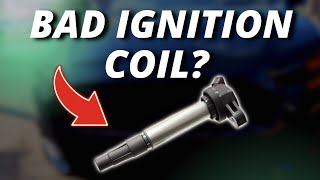
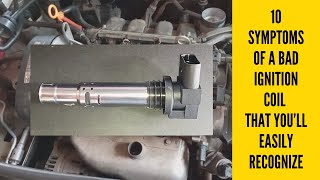
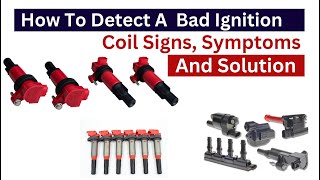
🎬 See a visual guide to recognizing bad ignition coil symptoms- Check Engine Light: A failing coil will almost always trigger the check engine light. If the light is flashing, it signals a severe misfire. You should pull over and shut off the engine as soon as it's safe to do so to prevent expensive damage to your catalytic converter.
- Rough Idle and Stalling: The engine may shake or vibrate when you're stopped. In some cases, the RPMs might drop so low that the engine stalls completely.
- Loss of Power: Your Durango will feel sluggish and weak when you try to accelerate. With one or more cylinders not contributing, the engine has to work much harder.
- Worse Gas Mileage: When a cylinder misfires, fuel is still injected but isn't burned. This wasted fuel leads to a noticeable drop in your MPG.
- Gasoline Smell: Unburned fuel can travel into the exhaust system, sometimes causing a raw gas smell from the tailpipe.
How to Find the Bad Coil
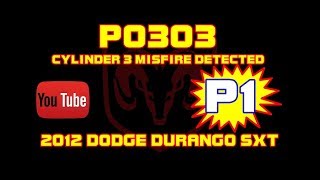
The fastest way to identify a bad coil is with an OBD-II scanner. These tools read the trouble codes stored in your vehicle's computer. A code between P0301 and P0308 will tell you exactly which cylinder is misfiring 🎬 Watch: Diagnosing a P0303 misfire on a Durango 3.6L (e.g., P0306 is cylinder #6). A common diagnostic trick is to swap the ignition coil from the misfiring cylinder with one from a neighboring cylinder. Clear the codes, run the engine, and scan again. If the code "follows" the coil to the new cylinder, you've confirmed the coil is the problem.
Choosing the Right Aftermarket Ignition Coil
When shopping for a replacement, you'll find a wide range of brands and prices. Not all aftermarket parts are created equal. Here’s how they generally stack up for your Durango.
Tier 1: OEM and Premium Aftermarket
These brands are known for providing original equipment parts to manufacturers or for having a reputation for quality that meets or exceeds OEM standards. They are the safest bet for reliability and longevity.
- Mopar: This is the official OEM parts brand for Dodge. It's a guaranteed fit and a reliable, though often more expensive, choice.
- Delphi, Bosch, NGK, Denso: These are top-tier manufacturers that are highly recommended on owner forums. They offer OEM-level quality, often at a lower price than Mopar parts.
Tier 2: Performance Aftermarket
If you're looking for a potential performance upgrade (or just a different look), these brands specialize in high-output ignition systems. They often come in sets of 6 or 8.
- FAST, Granatelli, Mishimoto, ACCEL: These brands offer coils designed to produce a stronger spark, which can be beneficial for modified engines.
Tier 3: Standard Aftermarket
These brands offer a good balance of value and quality. They are a solid choice for daily drivers and budget-conscious repairs.
- Standard Ignition, Spectra, Walker Products, Crown Automotive, Holstein: These companies are well-known in the aftermarket and produce reliable replacement parts that meet standard specifications. While they may not have the same high-end reputation as Tier 1, they provide a dependable and affordable solution.
A Note on TSBs
Dodge has issued Technical Service Bulletin (TSB) 08-055-25 for some vehicles, which involves a software update for the Ignition System Control Module (ISCM). This update can resolve issues that cause misfire codes (P0300-P0306). If you replace a coil and the problem persists, it's worth checking with a dealer to see if this TSB applies to your vehicle, as the issue could be software-related.
Cost of Replacing a Dodge Durango Ignition Coil
| Part / Service | Estimated Cost |
|---|---|
| New OEM (Mopar) Coil | $95 - $125 (per coil) |
| New Aftermarket Coil | $35 - $100 (per coil, depending on brand) |
| Shop Labor | $50 - $150 |
| DIY Total (1 Aftermarket Coil) | $35 - $100 |
| Shop Total (1 Aftermarket Coil) | $85 - $250 |
Frequently Asked Questions
Do I need to replace all ignition coils at once?
No, you don't have to. You can replace only the failed coil. However, since all coils have the same amount of wear, it's common for others to fail soon after the first one. Many mechanics recommend replacing them as a set, especially on higher-mileage vehicles, to save on future labor costs.
What's the difference between an ignition coil and a spark plug?
The ignition coil creates the high-voltage electricity, and the spark plug receives that electricity to create the physical spark inside the cylinder. They work together. It is highly recommended to replace the spark plugs when you replace the coils, as a worn spark plug can cause a new coil to fail prematurely.
Can I drive my Durango with a bad ignition coil?
You can, but it should only be for a short distance to get to a safe location or a repair shop. Driving with a misfire, especially if the check engine light is flashing, allows unburned fuel to enter the exhaust, which can quickly destroy the catalytic converters—a very expensive repair.
How difficult is it to replace the coils myself?
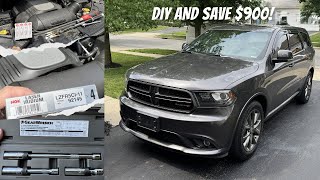
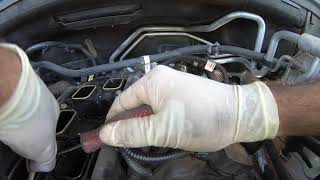
This is a very beginner-friendly job. The coils are located right on top of the engine, held in by a single 10mm bolt. The process involves removing the plastic engine cover, unplugging the electrical connector, unbolting the coil, and pulling it straight out. The entire job for a single coil can be done in less than 30 minutes 🎬 Watch: Step-by-step spark plug and coil replacement for 3.6L engines with basic hand tools.
Helpful Videos
Technical Specifications
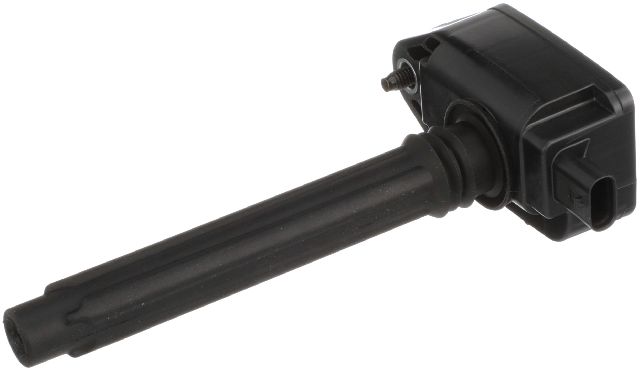
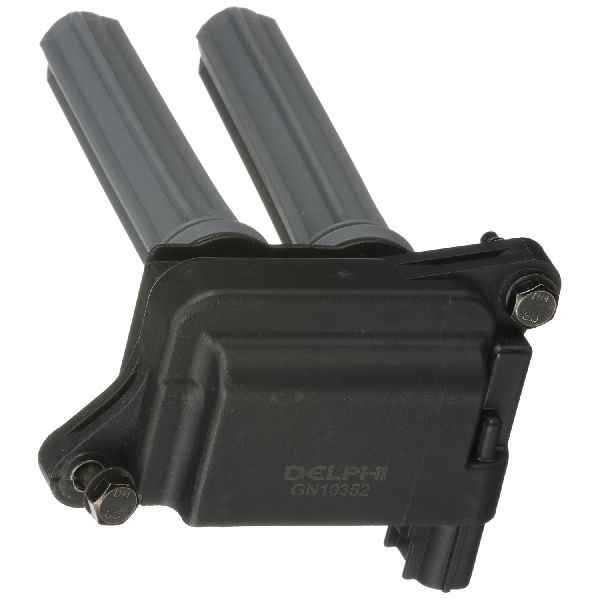
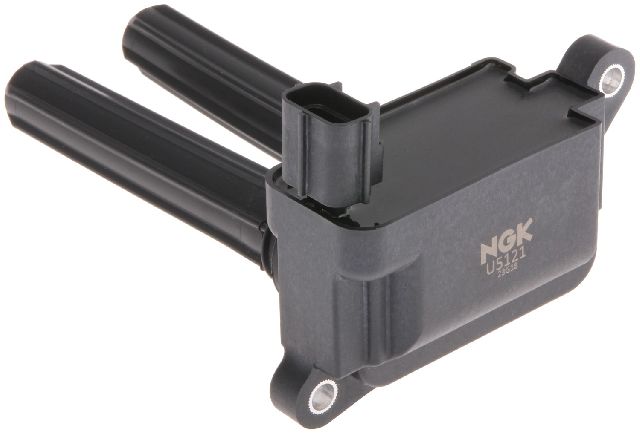
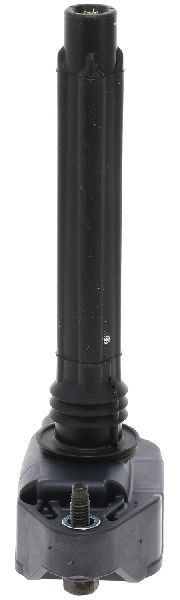
OEM Part Numbers: 68223569AD 56029129AF
All 2017-2025 Dodge Durango models use a coil-on-plug (COP) ignition system. The 3.6L V6 engine requires six coils, while the 5.7L and 6.4L V8 engines require eight.
We Have This Part in Stock


The information in this article is provided for general reference and educational purposes only. Vehicle specifications, procedures, and part compatibility can vary by production date, trim level, and region. Always consult your vehicle's factory service manual and verify part numbers before purchasing or performing repairs. Safety-critical components such as airbags, seat belts, and braking systems should be installed by a qualified professional.
- Dodge Durango:
- 🎬 Helpful Videos
- 🛍️ Shop This Part
- Is Your Durango's Ignition Coil Failing?
- Common Symptoms of a Bad Coil:
- How to Find the Bad Coil
- Choosing the Right Aftermarket Ignition Coil
- Tier 1: OEM and Premium Aftermarket
- Tier 2: Performance Aftermarket
- Tier 3: Standard Aftermarket
- A Note on TSBs
- Cost of Replacing a Dodge Durango Ignition Coil
- Frequently Asked Questions
- 🎟️ Get 5% Off