

A Guide to Spark Plugs for the 2017-2025 Honda Civic
Everything you need to know about choosing the right aftermarket spark plugs for your 1.5L or 2.0L Civic.
- Stick with NGK or Denso Iridium spark plugs, as they are the OEM suppliers and offer the best performance and longevity for your Civic.
- Bad spark plugs will cause symptoms like a rough idle, poor acceleration, reduced MPG, and a check engine light with P0300-series misfire codes.
- Replacing spark plugs is a simple, DIY-friendly job on the 10th and 11th generation Civic that can be done in under an hour with basic tools.
- Avoid buying spark plugs from online marketplaces like Amazon or eBay due to the high risk of receiving counterfeit parts that can damage your engine.
Signs of Failing Spark Plugs

Worn-out spark plugs can cause noticeable problems with how your Civic drives. Because they are a normal wear item, you will eventually need to replace them. Paying attention to these symptoms can help you decide when it's time for a change.
- Rough Idling: One of the most common signs is a rough or shaky feeling when the engine is idling at a stoplight. This happens because a weak spark causes incomplete combustion in one or more cylinders.
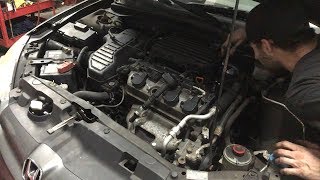
- Engine Misfires: You might feel a hesitation or stumble from the engine, especially during acceleration. A flashing check engine light often accompanies a misfire, which is a serious symptom that should be addressed quickly. 🎬 Watch: How to diagnose a Honda Civic engine misfire.
- Poor Acceleration: If your Civic feels sluggish or slow to respond when you press the gas pedal, worn plugs could be the cause. A failing plug reduces the engine's overall power output.
- Reduced Fuel Economy: When spark plugs are worn, the engine has to work harder, burning more fuel. A noticeable drop in your miles per gallon (MPG) can be a sign that it's time for new plugs.
- Check Engine Light: A steady or flashing Check Engine Light is a clear warning. If the light is on, a code scanner will often show codes like P0300, P0301, P0302, P0303, or P0304, which point directly to an engine misfire.
Choosing the Right Aftermarket Spark Plug

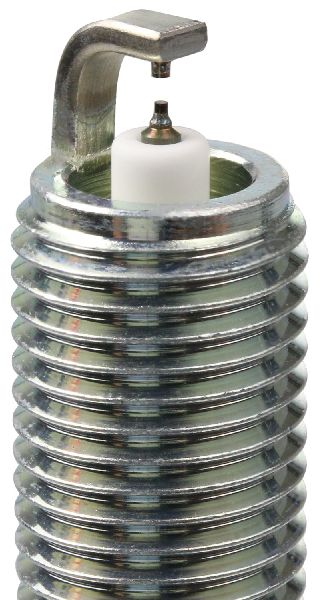
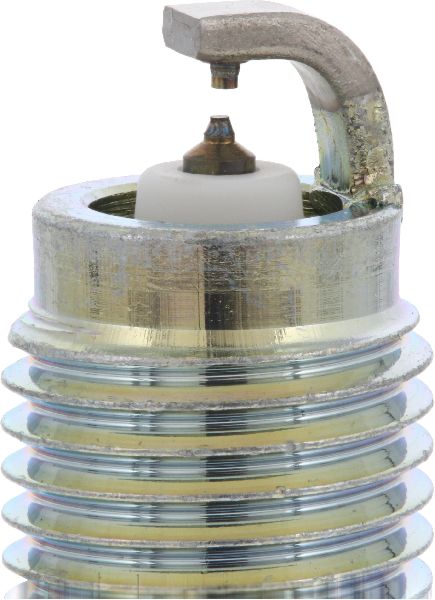
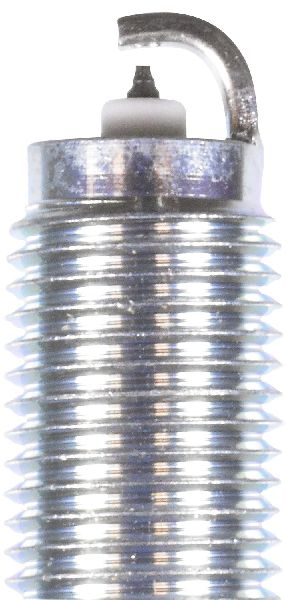
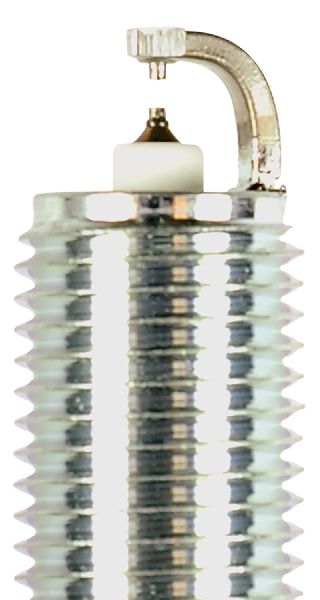
For the 2017-2025 Honda Civic, the original equipment (OEM) spark plugs are made by NGK or Denso. These are high-quality Iridium plugs that are designed to last. When shopping for aftermarket replacements, you can often buy the very same OEM-branded part for less money than you'd pay at a dealership. It's highly recommended to stick with Iridium plugs for these engines, especially the 1.5L turbo, which can be sensitive to lower-quality plugs.
Brand Quality Tiers
| Tier | Brands | Quality & Performance Assessment |
|---|---|---|
| Tier 1: OEM & Equivalent | NGK, Denso | These are the original equipment suppliers for Honda. Both NGK Laser Iridium and Denso Iridium plugs are considered the best choice for performance, longevity, and reliability in a Civic. They are engineered specifically for your engine and provide the most consistent performance. |
| Tier 2: Reputable Aftermarket | Bosch | Bosch offers Iridium spark plugs that are a compatible and reliable alternative. While many Honda owners prefer to stick with the Japanese OEM brands, Bosch is a well-regarded manufacturer and their plugs will perform well. Some users have noted no difference in performance compared to OEM. |
| Tier 3: Budget-Friendly | Champion | Champion is a long-standing brand that typically offers a more budget-friendly option. While their standard plugs are functional, they may not offer the same longevity as Iridium plugs from NGK, Denso, or Bosch. For the modern engines in the 2017+ Civic, using a high-quality Iridium plug is generally the safer and more cost-effective choice in the long run. |
A Warning on Counterfeit Plugs
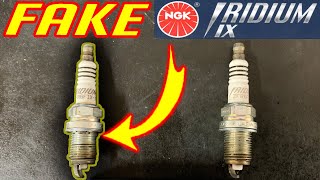
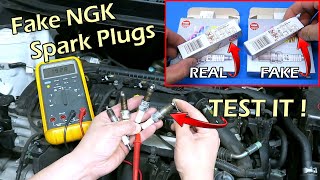
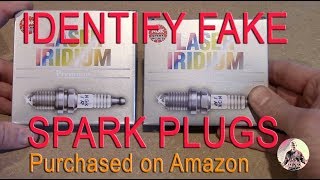
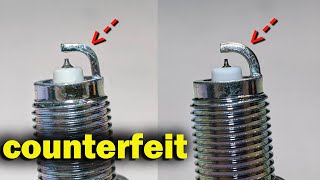
Be very careful when purchasing spark plugs from online marketplaces like Amazon or eBay. There is a significant problem with counterfeit NGK and Denso plugs being sold. These fakes are poorly made and can cause serious engine damage. It is always safest to buy from a reputable auto parts store.
🎬 See how to identify counterfeit NGK plugs sold on Amazon.Known Issues, Recalls, and TSBs

While there are no widespread NHTSA recalls specifically for spark plugs on the 2017-2025 Civic, there are some technical service bulletins (TSBs) to be aware of:
- TSB 19-069: For some 2016-2018 Civics with the 1.5L turbo engine, Honda extended the powertrain warranty to 6 years with unlimited mileage to cover repairs for issues causing misfire codes (P0300-P0304) or a fuel system too rich code (P0172). This can include the replacement of spark plugs if they are damaged as a result of the underlying issue.
- TSB 25-062 (Civic Type R): For 2017-2021 Civic Type R models, water can enter the hood scoop and collect in the #4 spark plug tube. This can cause the ignition coil and spark plug to corrode, leading to a misfire and a P0304 trouble code. The fix involves replacing the affected parts and installing a redesigned cylinder head cover.
Cost to Replace Honda Civic Spark Plugs
The cost can vary based on your location and whether you do the work yourself or hire a professional.
| Cost Category | Estimated Price Range | Notes |
|---|---|---|
| New Aftermarket (DIY) | $40 - $100 | This is the cost for a set of four high-quality Iridium spark plugs from brands like NGK or Denso. Your price range of $8.00 - $33.48 per plug fits within this. |
| New OEM (Dealer Parts) | $100 - $150 | This is the approximate cost for the same NGK or Denso plugs when purchased in Honda-branded packaging from a dealership. |
| Shop Labor | $97 - $142 | This is the typical cost for a repair shop to install the spark plugs. The job is straightforward and usually takes less than an hour. |
| Total Professional Replacement | $180 - $291 | This is the estimated total cost, including parts and labor, to have a professional mechanic replace your spark plugs. |
Pro Tip: DIY Savings
Replacing the spark plugs on a 2017-2025 Honda Civic is a very DIY-friendly job for both the 1.5L and 2.0L engines. With basic tools like a socket wrench, an extension, and a spark plug socket, you can complete the job in about 30-60 minutes and save over $100 in labor costs.
🎬 Watch: Step-by-step spark plug replacement for the 1.5L Turbo engine.Frequently Asked Questions (FAQ)

How often should I change the spark plugs on my Honda Civic?
For modern Honda Civics with Iridium spark plugs, the recommended replacement interval is often around 100,000 miles. However, some sources suggest intervals as low as 30,000 miles. The most accurate guide is your vehicle's Maintenance Minder system, which will display a code (sub-item "4") when it's time for a change.
Should I use OEM or aftermarket spark plugs?
Since the OEM plugs are made by NGK and Denso, you can buy the exact same quality part from an aftermarket retailer, often for less money. It is highly recommended to use Iridium plugs from one of these two brands. Avoid cheap, unbranded, or counterfeit plugs, as they can cause performance issues and potential engine damage.
What is the difference between the 1.5L Turbo and 2.0L engine spark plugs?
While both engines use Iridium spark plugs, the specific part numbers and heat ranges can differ. The 1.5L turbocharged engine, in particular, is more sensitive to spark plug quality due to higher cylinder pressures. It is critical to use the correct plug for your specific engine. For example, Honda part number 12290-59B-003 is specified for the 1.5L turbo with an automatic transmission, while 12290-5PA-A01 is listed for the 1.5L turbo with a manual transmission and the 2.0L turbo (Type R). Always verify fitment before purchasing.
Do I need to gap new spark plugs for my Civic?
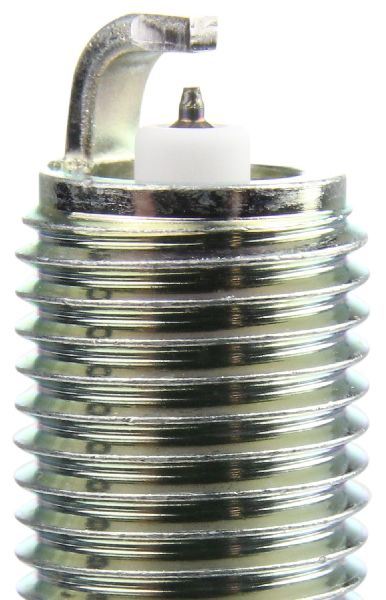
NGK and Denso Iridium spark plugs typically come pre-gapped from the factory for your specific vehicle. While it's a good practice to gently check the gap with a feeler gauge to ensure it wasn't altered during shipping, you should not attempt to re-gap fine-wire Iridium plugs as the delicate center electrode can be easily damaged.
Helpful Videos
Technical Specifications
OEM Part Numbers: 12290-5PA-A01 12290-59B-003 12290-6A0-A01
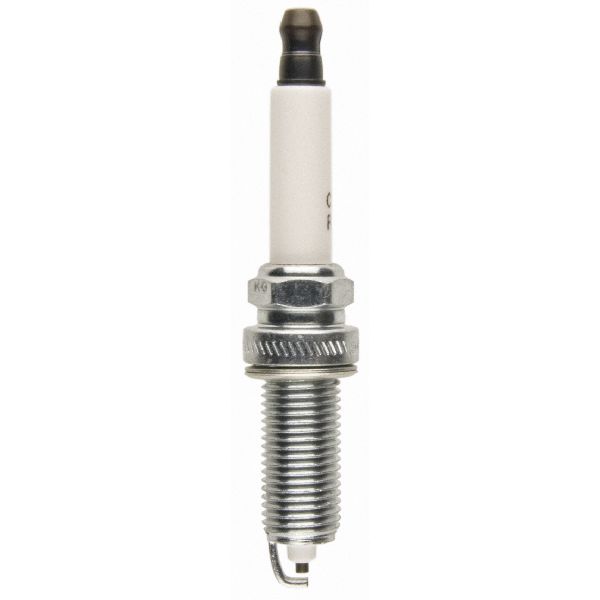
Material: Iridium. Recommended Brands: NGK, Denso. The OEM plugs are typically pre-gapped and should not be adjusted.
We Have This Part in Stock

The information in this article is provided for general reference and educational purposes only. Vehicle specifications, procedures, and part compatibility can vary by production date, trim level, and region. Always consult your vehicle's factory service manual and verify part numbers before purchasing or performing repairs. Safety-critical components such as airbags, seat belts, and braking systems should be installed by a qualified professional.
- Honda Civic: