

Honda Pilot Engine Mounts (2017-2025): A Guide to Replacement
If your Pilot is vibrating or making clunking noises, your engine mounts may be worn out; here’s what you need to know.
- The most common sign of a bad mount on a Pilot is vibration at idle while in gear.
- These Pilots use expensive, fluid-filled 'active' mounts; cheap aftermarket parts may cause more vibration than they solve.
- A known TSB (20-068) addresses a chirping noise from the rear mount on some 2018-2019 models, requiring an updated part.
- Driving with a failed mount can cause damage to other parts like hoses and exhaust components over time.
Symptoms of a Failing Engine Mount

When an engine mount fails on your Pilot, it will make itself known through several distinct signs. Because these mounts are designed to control engine movement and absorb vibration, you will notice changes in how the vehicle feels and sounds.
The most common symptoms include:
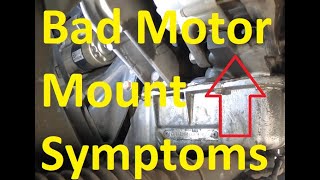
🎬 Watch: How to identify and test for failed motor mounts- Excessive Vibration: This is the number one sign. You may feel vibrations through the steering wheel, floor, or seats, especially when the SUV is stopped at idle but still in gear (Drive or Reverse). The vibration often goes away when you shift into Neutral or Park.
- Clunking or Banging Noises: A loud clunk, thump, or bang when you accelerate, decelerate, or shift gears (like from Park to Drive) is a clear indicator of a bad mount. This noise is the sound of the engine moving excessively and hitting other parts in the engine bay.
- Visible Engine Movement: If you have a helper, you can sometimes see the engine move more than it should. With the parking brake on and foot on the brake, shifting from Drive to Reverse may cause the engine to lurch or rock significantly.
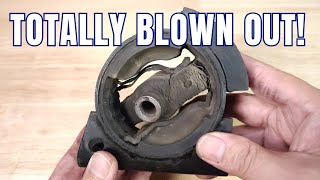
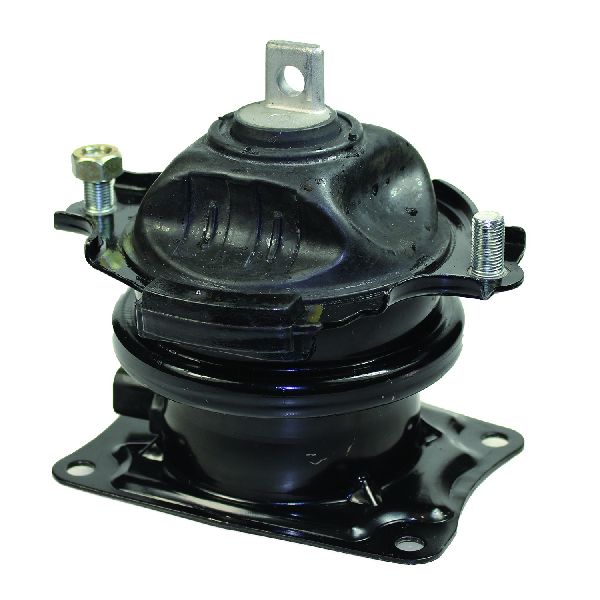
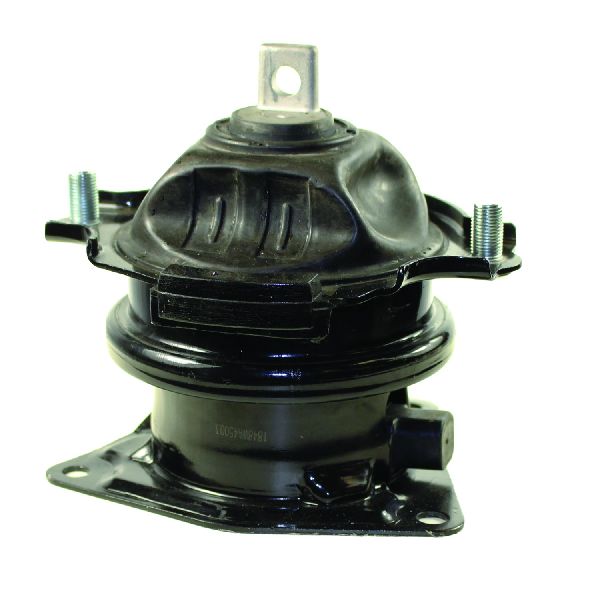
- Leaking Fluid: The active, hydraulic mounts on your Pilot are filled with fluid. If a mount fails, you might see dark, oily fluid residue on the body of the mount itself.
Known Issues & Technical Service Bulletins (TSBs)
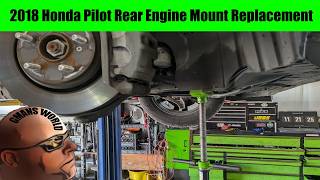
While there are no direct recalls for engine mounts on the 2017-2025 Pilot, Honda did issue TSB 20-068 for some 2018-2019 Pilot models. This bulletin addresses a "chirping" noise from the rear engine mount when the engine is warm and in Drive. The fix involves replacing the rear mount with an updated part (50810-TZ5-A03). 🎬 See a step-by-step walkthrough for replacing the rear engine mount It's also worth noting that NHTSA has investigated engine issues in some of these model years, but these probes are related to internal engine components like connecting rod bearings, not the mounts themselves.
Choosing the Right Aftermarket Engine Mount

When replacing a failed engine mount, you have a choice between Original Equipment Manufacturer (OEM) parts and aftermarket parts. For the Honda Pilot, this decision requires careful consideration.
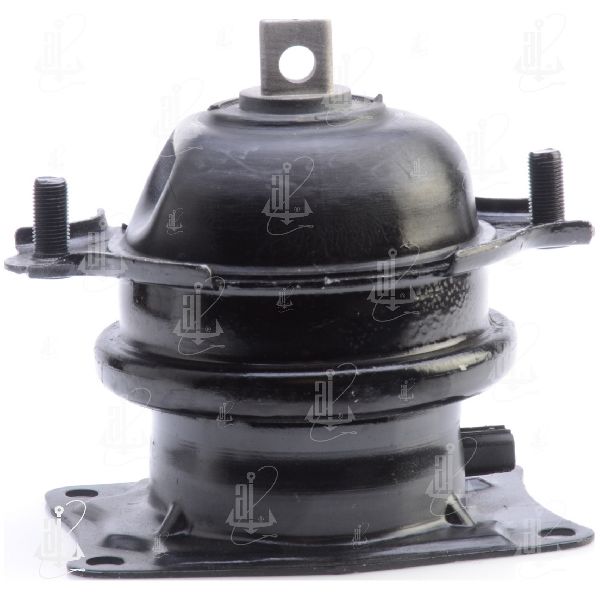
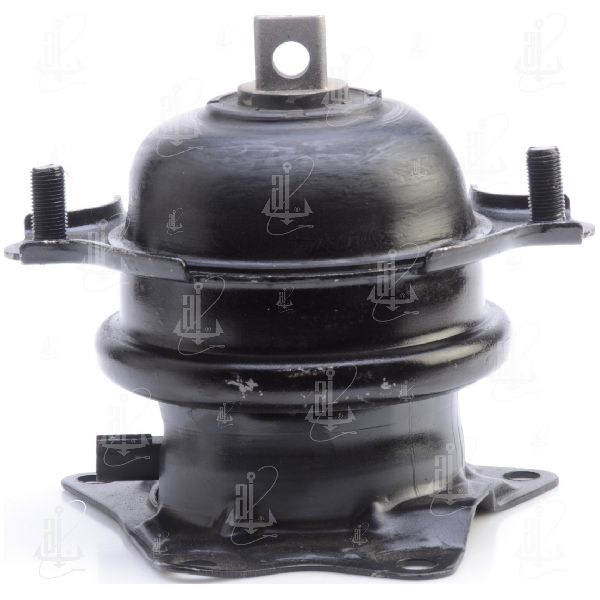
OEM Mounts: These are the exact same parts your vehicle was built with. They are designed specifically for your Pilot's V6 engine and its active vibration-canceling system. However, they are significantly more expensive.
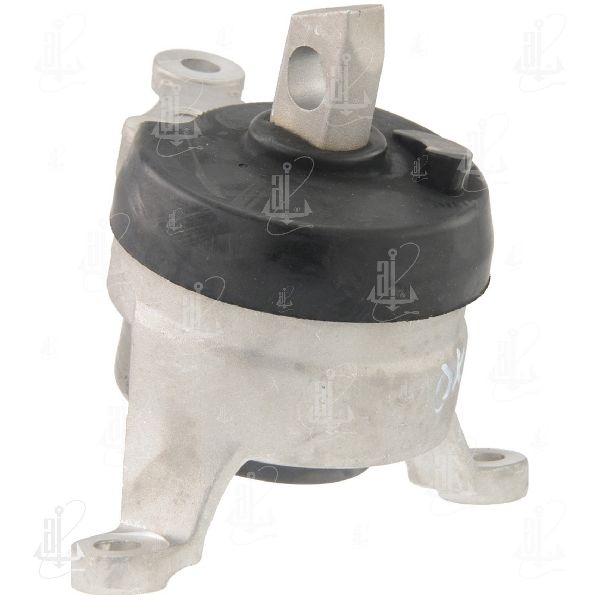
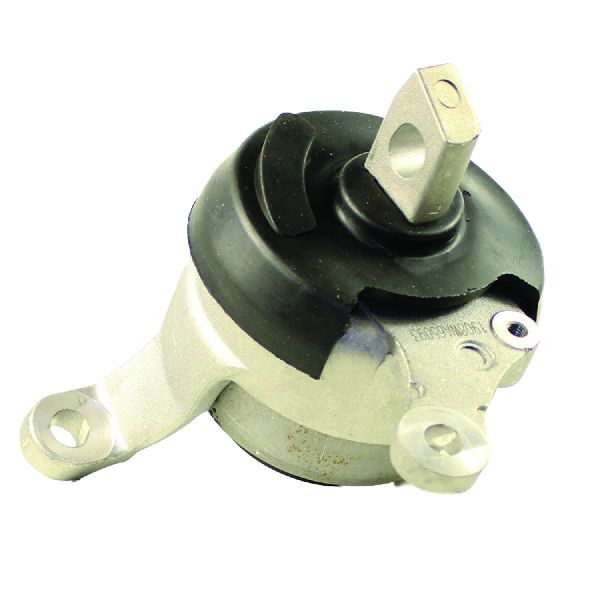
Aftermarket Mounts: Brands like Anchor and DEA offer a much more affordable alternative. However, the quality can be inconsistent. Aftermarket mounts, especially for vehicles with active or hydraulic systems like the Pilot, may be made of solid rubber or use lower-quality hydraulic components. This can lead to two potential problems:
- They may not dampen vibrations as effectively as the OEM part, resulting in a rougher idle even after replacement.
- They may wear out much faster than the original part.
Which Should You Choose?
For a vehicle like the 2017-2025 Pilot with an active mount system, an OEM mount is generally recommended for the best performance and longevity, especially for the front and rear active mounts. If budget is the primary concern, an aftermarket mount from a brand like Anchor or DEA can work, but be aware that it may be a trade-off in ride smoothness and durability. Some owners find success with them, while others report increased vibrations.
Engine Mount Replacement Cost for 2017-2025 Honda Pilot

The cost to replace an engine mount can vary widely based on which mount needs replacing and whether you use OEM or aftermarket parts. The active hydraulic mounts are much more expensive than the standard transmission mounts.
| Part/Service | Estimated Cost |
|---|---|
| New OEM Part (Single Mount) | $475 - $921 |
| New Aftermarket Part (Single Mount) | $72.52 - $154.79 |
| Shop Labor | $357 - $524 |
| Total Professional Replacement (OEM) | $1,146 - $1,445 |
Frequently Asked Questions (FAQ)

How many engine mounts does a 2017-2025 Honda Pilot have?
The Honda Pilot with the 3.5L V6 engine typically has a system of four or five mounts, including engine and transmission mounts. The key mounts responsible for dampening vibration are the front and rear active mounts.
Can I replace just one bad engine mount?
Yes, you can replace only the failed mount. However, when one mount fails, it puts extra stress on the others. It's a good idea to inspect all of them, as another may be close to failing as well.
Is it difficult to replace a Honda Pilot engine mount?
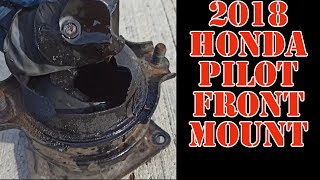
Replacing the mounts on a Pilot is a moderately difficult job. It requires safely supporting the engine and transmission with a jack, and accessing the mounts can involve removing other components like splash shields or even radiator fans for the front mount. 🎬 Watch this DIY guide for replacing the front engine mount While it is feasible for an experienced DIY mechanic, it may be best left to a professional if you are not comfortable supporting the engine.
What happens if I don't replace a bad engine mount?
Continuing to drive with a failed mount is not recommended. The excessive engine movement can eventually damage other components, such as radiator hoses, wiring harnesses, and exhaust pipes. The constant vibration will also make for an unpleasant driving experience.
Helpful Videos


Technical Specifications
OEM Part Numbers: 50810-TZ5-A03
The 2017-2025 Honda Pilot uses a 3.5L V6 engine. The front and rear engine mounts are typically electronically controlled hydraulic units designed to work with the Variable Cylinder Management (VCM) system.
We Have This Part in Stock

The information in this article is provided for general reference and educational purposes only. Vehicle specifications, procedures, and part compatibility can vary by production date, trim level, and region. Always consult your vehicle's factory service manual and verify part numbers before purchasing or performing repairs. Safety-critical components such as airbags, seat belts, and braking systems should be installed by a qualified professional.
- Honda Pilot: