

Lincoln Aviator Engine Coolant Temperature Sensor Guide (2020-2025)
Is a faulty engine temperature sensor causing problems in your 2020-2025 Lincoln Aviator?
- A failing sensor can cause serious issues like overheating, poor fuel economy, and a check engine light.
- Replacement on the 2020-2025 Aviator is complex and labor-intensive due to the sensor's location; professional repair is recommended.
- There are no active recalls or specific TSBs for this part on your vehicle.
- High-quality aftermarket brands like Delphi and Standard Ignition offer a reliable, cost-effective alternative to expensive OEM parts.
Understanding the Engine Temperature Sensor in Your Aviator
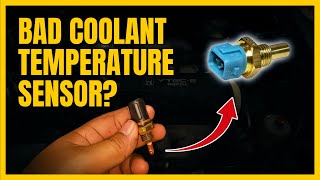
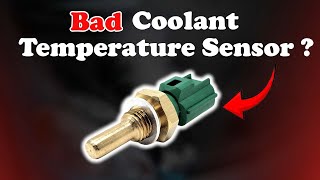
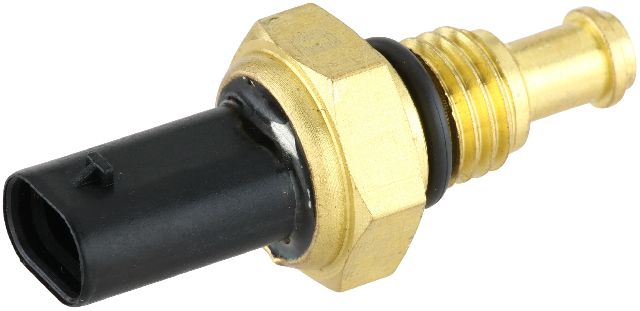
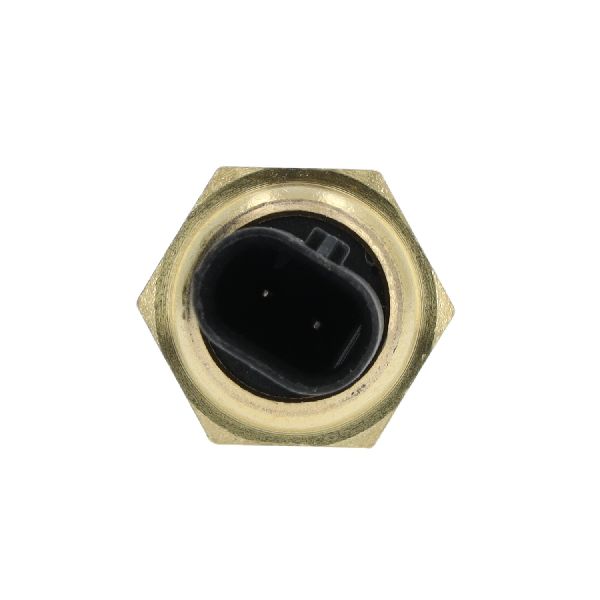
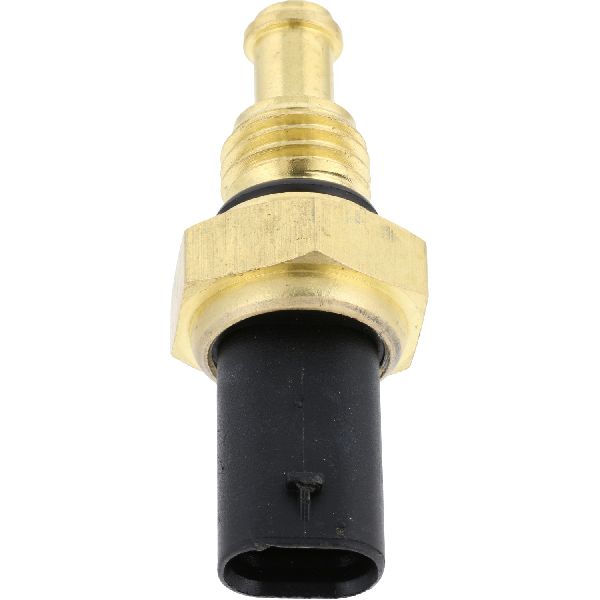
The Engine Coolant Temperature (ECT) sensor in your 2020-2025 Lincoln Aviator is a small but vital component. It acts like a thermometer for your engine, telling the main computer (ECU) how hot or cold the engine is. This information helps the computer make constant adjustments to the fuel mixture and ignition timing for the best performance and efficiency. If the sensor fails, the computer receives bad information, which can lead to a variety of engine problems. It's important to note that for some modern Ford and Lincoln engines, a Cylinder Head Temperature (CHT) sensor is used instead of a traditional ECT sensor. While the name is different, its job of monitoring engine temperature is the same.
Symptoms of a Failing Temperature Sensor
A bad temperature sensor can make your Aviator's engine behave erratically. Here are the most common signs to watch for:
🎬 Watch: 8 common symptoms of a failing temperature sensor- Check Engine Light: This is often the first sign. The computer will detect a signal from the sensor that is out of the normal range and trigger a warning light. Common trouble codes include P0117 and P0118. 🎬 See this expert breakdown of P0117 and P0118 trouble codes
- Poor Fuel Economy: If the sensor incorrectly tells the computer the engine is cold, the computer will enrich the fuel mixture, causing you to use more gas.
- Black Smoke from Exhaust: A very rich fuel mixture may not burn completely, leading to black smoke from the tailpipe, especially during acceleration.
- Engine Overheating: If the sensor fails to signal that the engine is hot, the cooling fans may not turn on when needed, leading to overheating. Conversely, the gauge may show the engine is hot when it is not.
- Rough Idle and Poor Performance: With incorrect fuel and timing adjustments, the engine can run rough, hesitate, or feel sluggish.
- Hard Starting: The wrong fuel mixture can make the engine difficult to start, particularly when it's cold.
Known Issues for the 2020-2025 Lincoln Aviator
As of early 2026, there are no specific recalls or widespread Technical Service Bulletins (TSBs) from Lincoln directly concerning the engine coolant temperature sensor for the 2020-2025 Aviator models. Any issues you experience are likely related to general part failure rather than a known vehicle defect.
Choosing the Right Aftermarket Sensor
When replacing the sensor, you have several aftermarket options. Aftermarket parts can be just as reliable as OEM parts while being more affordable. Here’s a breakdown of the available brands based on general reputation.
Tier 1: High-Quality Aftermarket
- Delphi: Delphi is a well-regarded manufacturer that also supplies original parts to many automakers. Their sensors are known for delivering accurate readings and good performance. They are often considered a top-tier aftermarket choice.
- Standard Ignition (SMP): Standard is a long-standing brand in the aftermarket with a reputation for producing reliable engine management parts.
Tier 2: Reputable Mid-Grade
- Walker Products: Known for having a strong reputation among professional installers, Walker offers a wide range of sensors that are often praised for their fit and value.
Tier 3: Budget-Friendly
- Holstein: Holstein promotes its parts as being made in OEM-supplying factories with a low failure rate. However, some user reviews have been critical of the quality. This brand can be a cost-effective choice, but it may carry more risk than higher-tier brands.
- Global Parts: Information on the specific quality and reputation of this brand's sensors is not widely available.
A Note on Replacement
Replacing the temperature sensor on the 2020-2025 Lincoln Aviator can be a very difficult job. Some data suggests the sensor is located at the rear of the engine, requiring significant labor to access. Repair cost estimators show labor costs that are much higher than a typical sensor replacement, indicating a complex procedure. This is not a recommended job for a DIY beginner. Professional installation is strongly advised.
Cost Comparison for Engine Temperature Sensor
| Part Type | Estimated Cost |
|---|---|
| New Aftermarket | $10 - $28 |
| New OEM | $364 - $372 |
| Shop Labor | $464 - $877 |
Frequently Asked Questions
Can I drive my Aviator with a bad temperature sensor?
It is not recommended. Driving with a faulty sensor can lead to severe engine damage from overheating, poor performance, and very poor fuel economy. It's best to get the vehicle serviced as soon as possible.
Why is the labor cost so high to replace this sensor?
On the 3.0L engine in the Aviator, the sensor may be located in a hard-to-reach area at the back of the engine, under other components like the high-pressure fuel pump. This makes the replacement process labor-intensive, which is reflected in the high estimated labor costs.
What is the difference between an ECT and a CHT sensor?
An ECT (Engine Coolant Temperature) sensor measures the temperature of the coolant fluid. A CHT (Cylinder Head Temperature) sensor measures the temperature of the engine's metal cylinder head directly. Some modern Ford/Lincoln engines use a CHT sensor, but its purpose is the same: to tell the computer the engine's operating temperature.
Will a new sensor fix my check engine light?
If the check engine light is on due to a code like P0117 or P0118, replacing a faulty sensor will solve the problem. After the repair, the code should be cleared from the computer's memory. If the light does not return after driving, the repair was successful.
Helpful Videos
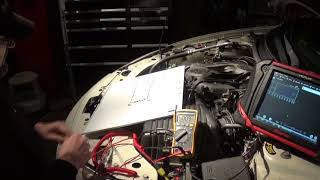

Technical Specifications
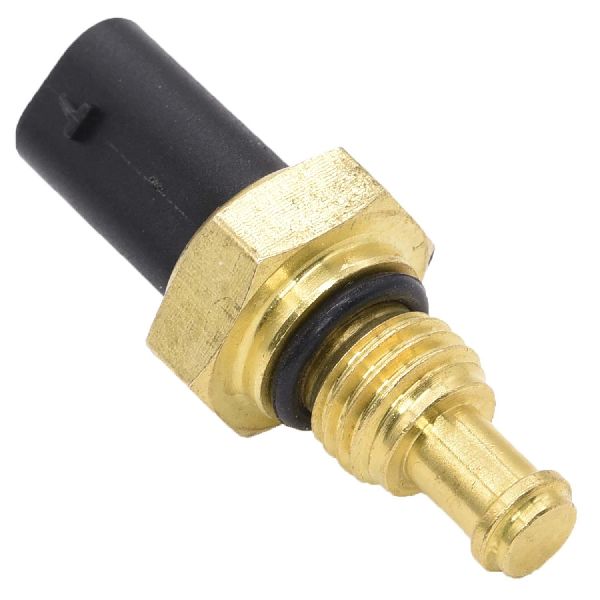
The sensor for the 2020-2025 Lincoln Aviator may be a traditional Engine Coolant Temperature (ECT) sensor or a Cylinder Head Temperature (CHT) sensor. It is a thermistor that changes resistance based on temperature to provide a signal to the ECU.
We Have This Part in Stock


The information in this article is provided for general reference and educational purposes only. Vehicle specifications, procedures, and part compatibility can vary by production date, trim level, and region. Always consult your vehicle's factory service manual and verify part numbers before purchasing or performing repairs. Safety-critical components such as airbags, seat belts, and braking systems should be installed by a qualified professional.
- Lincoln Aviator:
- 🎬 Helpful Videos
- 🛍️ Shop This Part
- Understanding the Engine Temperature Sensor in Your Aviator
- Symptoms of a Failing Temperature Sensor
- Known Issues for the 2020-2025 Lincoln Aviator
- Choosing the Right Aftermarket Sensor
- A Note on Replacement
- Cost Comparison for Engine Temperature Sensor
- Frequently Asked Questions
- 🎟️ Get 5% Off