

2018-2020 Tesla Model S Windshield Washer Pump Replacement Guide
Don't let a faulty washer pump compromise your visibility; here's what you need to know.
- A failed washer pump is a common issue, with symptoms ranging from a weak spray to a complete lack of fluid.
- The pump is located behind the front passenger wheel well liner and is a feasible DIY replacement for most owners.
- An aftermarket Trico pump is a cost-effective alternative to the OEM part, offering similar performance.
- Before replacement, always check for simple issues like low fluid, clogged nozzles, or a disconnected hose.
Is Your Washer Pump Failing?

A non-functional windshield washer system can be a safety hazard, especially in poor weather. For the 2018-2020 Model S, the washer pump is a common failure point. If you activate the washers and nothing happens, or the spray is weak, the pump is a likely culprit. Before assuming the pump is bad, always check that your washer fluid reservoir is full and that the nozzles aren't clogged with wax or debris. If you can hear the pump motor whirring but no fluid comes out, the internal impeller may have failed.
Common Failure Symptoms
- No fluid sprays when the washer is activated.
- A weak or inconsistent spray that doesn't effectively clean the windshield.
- The pump motor makes a humming noise, but no fluid is dispensed.
- A puddle of blue or green washer fluid is found under the front passenger side of the car, indicating a leak from the pump or its grommet.
Choosing Your Replacement Part: OEM vs. Aftermarket

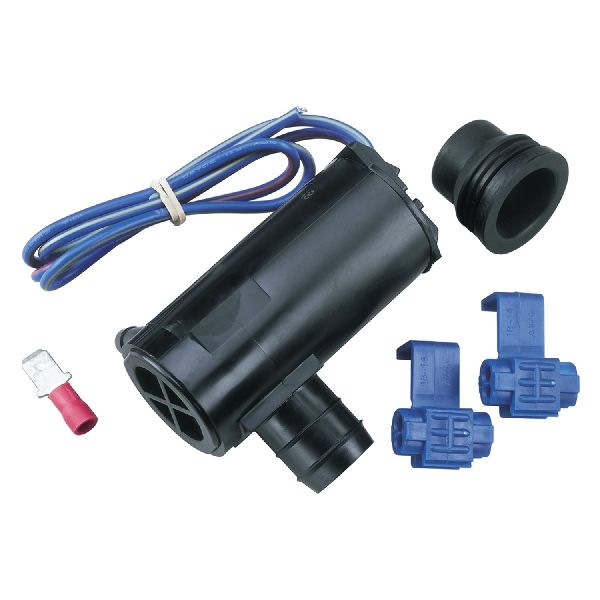
When replacing the washer pump, you have two main choices: an original equipment manufacturer (OEM) part from Tesla or an aftermarket part. For the Model S, the pump is a relatively simple component, and aftermarket options can provide the same performance for less money. Brands like Trico design their pumps to meet or exceed original specifications, offering a reliable and cost-effective repair. Since the core function is straightforward, an aftermarket pump is a practical choice for a DIY repair without sacrificing quality.
Cost of Windshield Washer Pump Replacement (2018-2020 Tesla Model S)
| Part Type | Estimated Cost |
|---|---|
| New Aftermarket (Trico) | $35.01 |
| New OEM (Tesla) | $35 - $50 |
| Shop Labor | $100 - $180 |
Cost estimates are approximate and may vary based on location and supplier.
Pro Tip: Check for Simple Fixes First
Sometimes, a hose can simply pop off the pump, causing fluid to leak out instead of spraying onto the windshield. Before ordering a new part, it's worth inspecting the pump area behind the front passenger wheel liner to see if a hose has become disconnected. Reconnecting it could solve your problem for free.
Frequently Asked Questions (FAQ)

Where is the washer pump located on a 2018-2020 Tesla Model S?
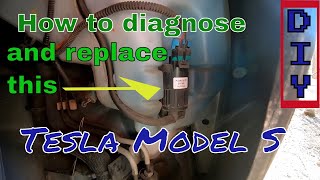
The windshield washer pump is located at the bottom of the washer fluid reservoir. You can access it by removing the front passenger-side wheel and the rear portion of the wheel arch liner.
Is this a difficult DIY repair?
For someone with basic mechanical skills and tools, this is a very manageable job. The process involves jacking up the car, removing the wheel and wheel liner, disconnecting the old pump, and installing the new one. It typically takes about an hour.
Are there any recalls for the Model S washer pump?
There are no specific recalls for the windshield washer pump on the 2018-2020 Tesla Model S. Searches of the NHTSA database and Tesla's recall lists did not show any actions for this specific component and model year range.
What if I replace the pump and it still doesn't work?
If a new pump doesn't solve the issue, the problem could be electrical or a blockage. Check the fuse for the washer system, although some owners report there isn't a dedicated fuse. Also, ensure the electrical connector is securely attached and that the hoses and nozzles are completely clear of obstructions.
Helpful Videos
Technical Specifications
OEM Part Numbers: 1005453-00-A 1005453-00-C 1005453-00-B
12V, 2-Pin Connector
We Have This Part in Stock

The information in this article is provided for general reference and educational purposes only. Vehicle specifications, procedures, and part compatibility can vary by production date, trim level, and region. Always consult your vehicle's factory service manual and verify part numbers before purchasing or performing repairs. Safety-critical components such as airbags, seat belts, and braking systems should be installed by a qualified professional.
- Tesla S: