

Ford F-150 (2018-2022) Engine Cylinder Head Temperature Sensor Guide
Dealing with a CHT sensor issue on your F-150? Here's what you need to know before you buy a replacement.
- A bad CHT sensor often triggers false overheating warnings and codes P1289 or P1299.
- Check for TSBs related to your engine (2.7L and 5.0L have known issues) before buying parts.
- The sensor is in a 'dry hole,' so you don't need to drain coolant for the replacement.
- Always inspect the wiring for damage before replacing the sensor itself, as this can cause the same symptoms.
Is Your F-150's CHT Sensor Failing?

A bad Cylinder Head Temperature (CHT) sensor can cause a range of confusing symptoms. Because the sensor's reading is vital for engine operation, a false signal can make the truck's computer believe the engine is overheating when it's not. This can trigger a check engine light and put the truck into a protective 'limp mode,' reducing power.
Common Failure Symptoms
- Check Engine Light with codes P1289 or P1299.
- "Engine Coolant Over Temperature" warning on the dash, even on a cold engine.
- Radiator fans running on high speed constantly.
- Engine has a long cranking time or is hard to start.
- Reduced engine power or poor acceleration as the truck enters limp mode.
- Decreased fuel economy.
Known Issues for 2018-2022 Ford F-150

While no specific safety recalls exist for the CHT sensor itself on 2018-2022 F-150s, Ford has issued Technical Service Bulletins (TSBs) for related issues. A TSB is a guide for dealership technicians on how to fix a known problem.
- TSB 19-2049: This applies to some 2019 F-150 models with the 5.0L V8 engine. It addresses a faulty CHT sensor that causes the check engine light to come on with code P1289. The fix is to replace the sensor.
- TSB 21-2168: For 2018-2020 F-150s with the 2.7L EcoBoost engine, this TSB addresses a list of codes including P1299. The problem is often caused by the sensor's location and wiring, which can be damaged by heat and vibration. The official fix involves replacing a heater hose to relocate the sensor to a better position and installing a jumper harness.
Choosing Your Aftermarket Replacement Sensor

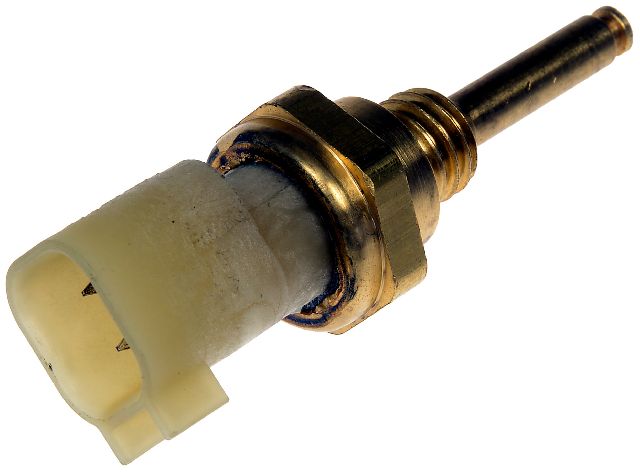
When your CHT sensor fails, you have a choice between Original Equipment Manufacturer (OEM) parts from Ford/Motorcraft and aftermarket brands like Dorman or Standard Ignition. For a critical sensor like the CHT, the choice matters.
OEM (Motorcraft): Generally considered the highest quality and most reliable option. Since the CHT sensor is vital for protecting your engine from overheating, many mechanics recommend sticking with the OEM part to avoid the risk of a premature failure from an aftermarket part.
Aftermarket (Dorman, Standard Ignition): These brands offer a direct-fit replacement at a lower cost. For many parts, aftermarket quality is perfectly acceptable. However, for critical sensors, some owners report issues or shorter lifespans compared to OEM. If the labor to replace the part is difficult or expensive, saving a few dollars on the part itself might not be worth the risk of having to do the job again sooner.
Pro Tip: Before replacing the sensor, always inspect the wiring and connector. Rodents can chew wires, and heat can make connectors brittle, causing the same symptoms as a failed sensor. A simple wiring repair might save you the cost of a new sensor.
Replacement Cost
The cost to replace a CHT sensor depends on your truck's engine and whether you do it yourself or hire a shop. The sensor itself is inexpensive, but labor can vary significantly.
| Part/Service | Estimated Cost |
|---|---|
| New OEM Sensor | $30 - $50 |
| New Aftermarket Sensor | $10.43 - $30.96 |
| Shop Labor | $150 - $250+ |
Note: Labor costs can be higher if the intake manifold must be removed for access on certain engine configurations.
Frequently Asked Questions (FAQ)

Can I drive with a bad CHT sensor?
It is not recommended. A bad sensor can cause the truck to enter a fail-safe or "limp" mode with reduced power. More importantly, if the sensor fails to detect a genuine overheating event, you could cause catastrophic engine damage. It's best to get it fixed immediately.
Where is the CHT sensor located on the 2018-2022 F-150?
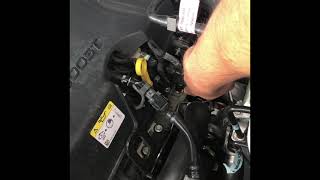
The location varies by engine. On the 5.0L V8, it's often on the rear of the driver's side cylinder head, which can be a tight squeeze to access. On the 2.7L EcoBoost, it's on the driver's side below the oil dipstick. On other engines, it may be under the intake manifold, requiring more disassembly to reach. Always verify the location for your specific engine before starting.
Is replacing the CHT sensor a DIY job?
For some engines, yes. On the 2.7L EcoBoost, for example, it can be an easy 10-minute job. On others, like some 5.0L configurations or engines where the intake manifold must be removed, it is a more difficult task (0.7 to 1.9 hours of labor). If you're not comfortable working in tight spaces or removing major engine components, it's best to leave this to a professional.
Do I need to drain the coolant to replace the CHT sensor?
No. The CHT sensor is installed in a "dry hole" in the cylinder head and does not come into contact with engine coolant. You can replace it without draining the cooling system.
Should I reuse the old CHT sensor?
No. Once a CHT sensor is removed, it should not be reinstalled. Always use a new sensor for replacement.
Helpful Videos


Technical Specifications
OEM Part Numbers: JL3Z-6G004-A
The CHT sensor is a thermistor, which means its electrical resistance changes based on temperature. The sensor is installed in a dry port on the cylinder head. It should always be replaced with a new part upon removal and tightened to the correct torque specification.
We Have This Part in Stock


The information in this article is provided for general reference and educational purposes only. Vehicle specifications, procedures, and part compatibility can vary by production date, trim level, and region. Always consult your vehicle's factory service manual and verify part numbers before purchasing or performing repairs. Safety-critical components such as airbags, seat belts, and braking systems should be installed by a qualified professional.
- Ford F-150: