

A Guide to Aftermarket Brake Pads for the 2018-2023 Audi A4
Stop dealing with excessive brake dust and noise by choosing the right aftermarket pads for your A4.
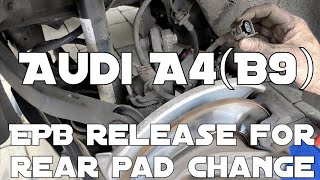
- To replace the rear pads, you MUST use a scan tool to retract the Electronic Parking Brake (EPB).
- Choose ceramic pads from brands like Akebono or Bosch to significantly reduce the brake dust common with OEM pads.
- OEM-equivalent brands like Textar, Pagid, and ATE offer dealer quality for less money.
- Always replace brake rotors and pad wear sensors when installing new brake pads for best performance and safety.
Is it Time for New Brake Pads?


Your Audi A4 is designed to let you know when its brake pads are wearing out. You don't have to guess. Pay attention to these signs:
- Brake Warning Light: Your A4 has electronic wear sensors on the front-left and rear-right inner brake pads. When the pad material gets too thin, a warning light will appear on your dashboard. This is the most common and reliable indicator.
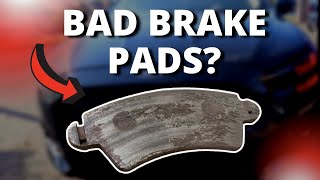
- Squealing or Grinding Noises: High-pitched squealing when you apply the brakes can be an early warning. A loud, metallic grinding sound is more serious and means the pads are completely worn away, potentially damaging your brake rotors.
- Reduced Stopping Power: If you notice it takes longer to stop or you have to press the brake pedal harder than usual, your pads are likely worn out.
An Important Note for DIY Replacement
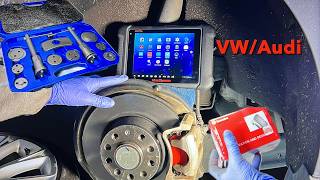
The 2018-2023 Audi A4 has an Electronic Parking Brake (EPB). To replace the rear brake pads, you cannot simply push the caliper piston back in. You must use a compatible automotive scan tool (like VCDS) or a dedicated EPB service tool to put the rear brakes into 'service mode'. Attempting to force the piston back without this step will damage the rear calipers, leading to expensive repairs.
🎬 See how to use a scan tool for EPB serviceChoosing the Right Aftermarket Brake Pads

One of the most common complaints from Audi owners is the large amount of black dust the original (OEM) brake pads produce, which quickly makes wheels look dirty. Aftermarket pads offer a great opportunity to fix this issue while often saving money compared to dealer parts. Here’s a breakdown of your options:
Tier 1: OEM-Equivalent Brands
These brands often manufacture the original parts for Audi. They provide the same performance and feel as the pads your car came with, but usually at a lower cost. They are a perfect choice if you are happy with the stock performance but want a better price.
- Textar: Often an OEM supplier for Audi. Known for good performance, but some users report they can still produce significant dust.
- Pagid: Another top-tier OEM supplier known for quality and performance that matches the factory standard.
- ATE: A well-respected brand owned by Continental, providing premium, OE-quality brake components.
- Zimmermann: While famous for rotors, their pads are also high-quality and often paired with OEM-equivalent pads in kits.
Tier 2: Low-Dust Ceramic Pads
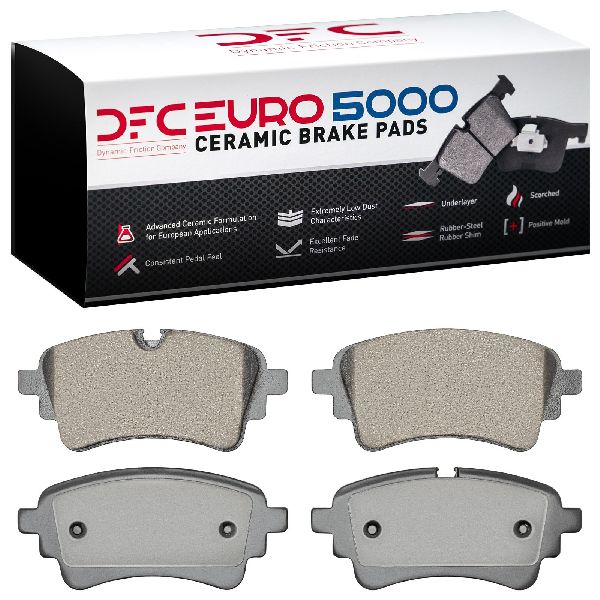
If your main goal is to keep your wheels clean, ceramic pads are the best choice. They offer quiet operation and significantly less dust than the stock semi-metallic pads.
- Akebono: A favorite among Audi owners for their great stopping power, low noise, and very low dust output.
- Bosch: Offers quiet ceramic and semi-metallic options that provide a good balance of performance and value.
- Powerstop: Their Z16 Evolution ceramic pads are specifically designed for low dust and noise-free daily driving.
Tier 3: Performance / Street-Performance Pads
For drivers who want improved stopping power and a more aggressive initial bite for spirited driving. The trade-off can sometimes be more noise and dust than comfort-focused pads.
- Brembo: A legendary name in braking, offering premium pads that often exceed OEM performance.
- Hawk Performance: The HPS 5.0 pads are a popular choice for a significant upgrade in street performance with manageable dust levels.
- EBC Brakes: Their 'RedStuff' pads are a well-known ceramic performance option that balances stopping power with reasonable dust, while 'YellowStuff' offers even more aggressive braking.
| Type | Estimated Part Cost |
|---|---|
| New Aftermarket (Value) | $40 - $90 |
| New Aftermarket (OEM-Equivalent/Performance) | $90 - $345 |
| New OEM (Dealer) | $257 - $300 |
Frequently Asked Questions

Do I need to replace my brake rotors at the same time?
It is highly recommended. Most technicians and manufacturers suggest replacing pads and rotors together. Audi rotors are designed to wear down with the pads. Installing new pads on a worn, uneven rotor surface can cause noise, vibration, and reduced brake performance.
🎬 Watch: Step-by-step DIY guide for changing pads and rotorsWhat are brake pad wear sensors?
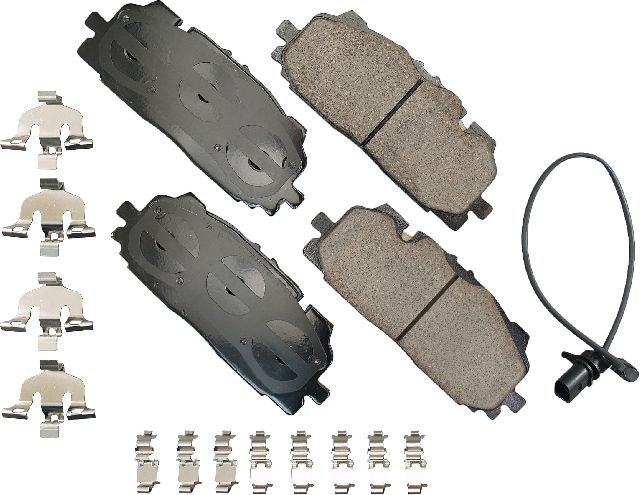
They are small electronic sensors attached to the inner brake pads on the front-left and rear-right wheels. When the brake pad wears down to a certain point, the sensor makes contact with the rotor, completing a circuit and triggering a warning light on your dashboard. You must replace the sensors when you replace your brake pads to ensure the warning system functions correctly. Many aftermarket pad sets include new sensors.
Why are my new brakes squeaking?
New brakes can sometimes squeak during the 'bed-in' period as the pad material transfers a layer onto the rotor. This usually goes away after a few hundred miles. Squeaking can also be caused by not applying brake lubricant to the correct contact points on the caliper and pad backing plate during installation, or if aftermarket pads are a very aggressive performance compound.
My A4 has different brake sizes. How do I get the right part?
Yes, Audi uses different brake sizes depending on the trim and options. The front rotors can be 314mm or 338mm, for example. The best way to ensure you get the correct parts is to use your vehicle's VIN when ordering or check for a brake code (e.g., 1LF) on the sticker in your trunk or owner's manual.
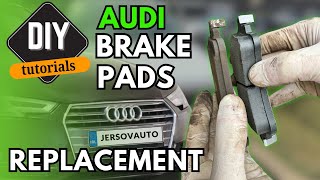
Helpful Videos
Technical Specifications
OEM Part Numbers: 8W0698151 4M0698151 8W0698451
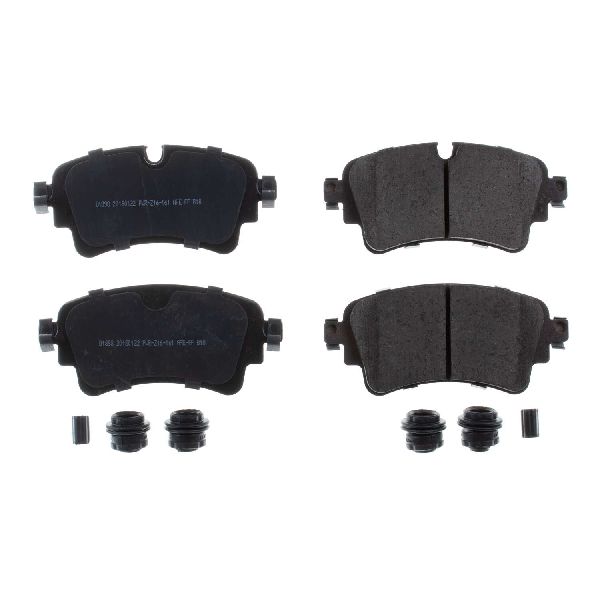
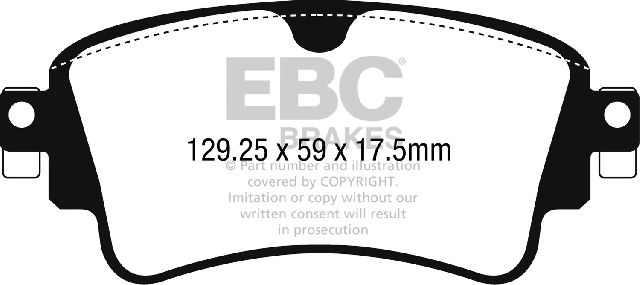
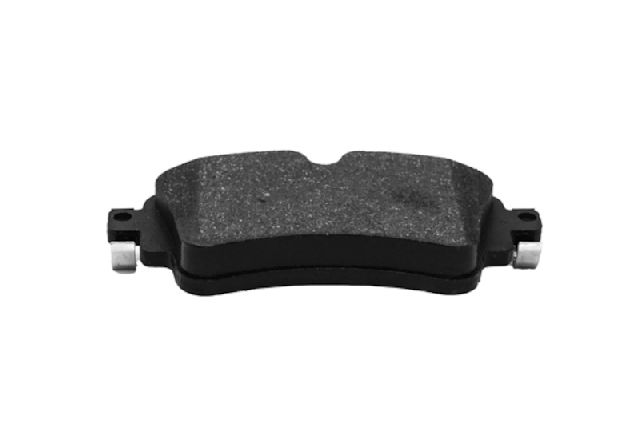
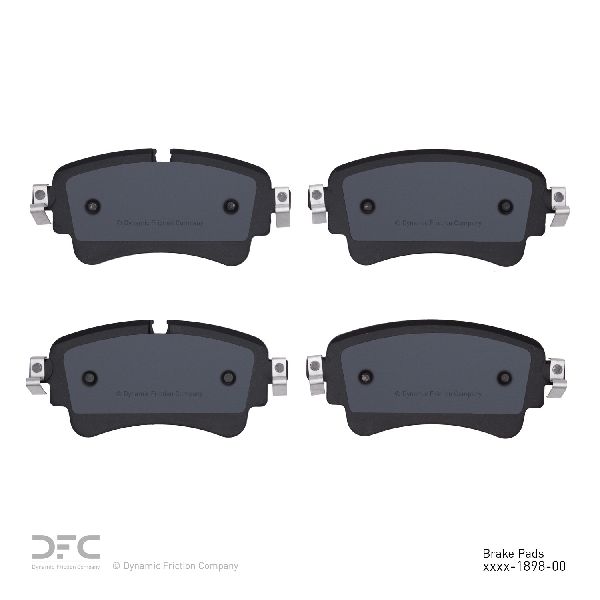
Brake pads for the 2018-2023 Audi A4 require slots for electronic wear sensors (one front, one rear). Rear pad replacement requires an electronic service tool for the parking brake. Multiple front rotor sizes (e.g., 314mm, 338mm) exist, so verify the correct size for your specific vehicle.
We Have This Part in Stock

The information in this article is provided for general reference and educational purposes only. Vehicle specifications, procedures, and part compatibility can vary by production date, trim level, and region. Always consult your vehicle's factory service manual and verify part numbers before purchasing or performing repairs. Safety-critical components such as airbags, seat belts, and braking systems should be installed by a qualified professional.
- Audi A4: