

A Guide to the Engine VVT Solenoid for the 2018-2023 Audi A6 Quattro
Understanding how this small part impacts your Audi's performance and how to choose the right replacement.
- A lit Check Engine Light with codes P0011 or P0016 is a primary indicator of a VVT solenoid issue.
- Failure is most often caused by dirty or low engine oil; using the correct synthetic oil and regular changes is crucial.
- Reputable aftermarket brands like Gates, Standard Ignition, and Walker Products offer a quality alternative to more expensive OEM parts.
- While the car is drivable, you should replace a faulty solenoid to restore performance, fuel economy, and prevent long-term stress on engine components.
Is Your Audi A6 Quattro VVT Solenoid Failing?
A failing VVT solenoid can cause noticeable issues with your car's performance. Because this part relies on clean engine oil to work correctly, problems are often caused by old, dirty oil or low oil levels that clog the small passages and screens inside the solenoid. Keeping up with your oil changes using the correct specification oil is the best way to prevent failure.
The most common signs of a bad VVT solenoid include:
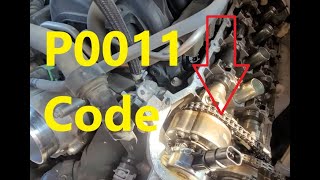
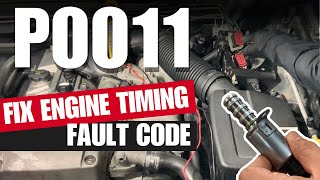
- Check Engine Light: This is often the first and most obvious symptom. The most common trouble codes are P0011 (camshaft timing over-advanced) and P0016 (camshaft and crankshaft position correlation error).
- Rough Idle: The engine may shake or run unevenly when the car is stopped.
- Poor Fuel Economy: You might notice you're filling up the gas tank more often than usual.
- Engine Hesitation: The car may stumble or hesitate when you accelerate.
The Importance of Clean Oil
The number one cause of VVT solenoid failure is contaminated or low engine oil. Sludge and debris can block the fine mesh screens on the solenoid, preventing it from controlling oil flow correctly. Always use the full synthetic oil that meets Audi's specifications and change it at the recommended intervals.
Choosing the Right Aftermarket VVT Solenoid
When replacing the VVT solenoid on your A6 Quattro, you have a choice between Original Equipment (OEM) parts from an Audi dealer and aftermarket parts. While an OEM part is a guaranteed fit, a quality aftermarket part can offer the same performance for a much lower price. For a precision-engineered car like an Audi, it's important to choose a reputable aftermarket brand.
Here’s a look at the available brands:
- Tier 1 - Reputable OE-Quality Brands:
- Gates: A well-known brand that designs its VVT solenoids to meet or exceed OE specifications for fit and performance, and they specifically list coverage for Audi vehicles.
- Standard Motor Products (SMP): A long-standing aftermarket manufacturer. They are generally considered a quality brand, and sometimes even repackage original parts. Just be sure to avoid their budget "T-series" line, which may have a shorter warranty.
- Walker Products: This brand positions itself as a premium aftermarket option, emphasizing that its parts are engineered to meet OE standards for durability and performance.
- Tier 2 - Good Value Brands:
- Holstein: Holstein states that its parts are made with high-quality materials to match OE standards and offers a good warranty. While some users on forums are wary of non-OEM solenoids for German cars, Holstein is a dedicated sensor and engine management part manufacturer.
OEM vs. Aftermarket Quality
For sensitive electronic parts on a vehicle like your Audi, the debate between OEM and aftermarket is common. While some owners prefer to stick with OEM, high-quality aftermarket brands like Gates and Standard Motor Products have a strong reputation for providing reliable parts that perform like the original. The key is to avoid cheap, unbranded parts from online marketplaces, which often lack the quality control of established brands.
VVT Solenoid Replacement Cost for 2018-2023 Audi A6 Quattro
The cost to replace a VVT solenoid can vary significantly based on whether you use OEM or aftermarket parts and who does the work. The 3.0L V6 engine in the A6 Quattro may have multiple solenoids.
| Part/Service | Estimated Cost |
|---|---|
| New OEM Part | $450 - $550 |
| New Aftermarket Part | $84 - $203 |
| Shop Labor | $150 - $450 |
| Total Estimated Cost (Aftermarket) | $234 - $653 |
Frequently Asked Questions
Can I just clean my VVT solenoid?
Sometimes, cleaning the solenoid and its screens can temporarily restore function, especially if the issue is minor sludge buildup. However, if the solenoid's internal electronic components are failing, cleaning will not fix it and replacement is the only long-term solution.
How many VVT solenoids does my Audi A6 have?
The V6 engine in the 2018-2023 Audi A6 Quattro typically uses multiple VVT solenoids, often one for each camshaft (intake and exhaust on both banks). It is important to identify which one has failed by reading the specific trouble code. Many mechanics recommend replacing them in pairs (e.g., both intake solenoids) if the vehicle has higher mileage.
Is an aftermarket VVT solenoid a good choice for an Audi?
Yes, a high-quality aftermarket solenoid from a reputable brand like Gates, Walker Products, or Standard Motor Products can be a reliable and cost-effective alternative to an expensive OEM part. These companies specialize in engineering parts that match original performance. The key is to avoid generic, no-name parts.
What happens if I don't replace a failing VVT solenoid?
If you ignore a failing VVT solenoid, you will continue to experience poor engine performance, rough idling, and reduced fuel economy. While it typically won't cause immediate catastrophic engine damage, prolonged operation with incorrect timing can put extra stress on other engine components, like the timing chain.
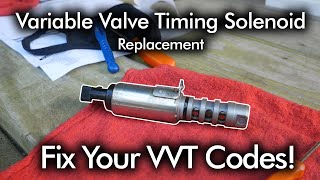
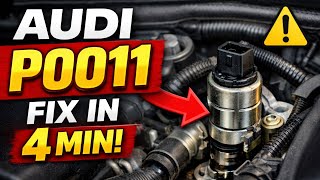
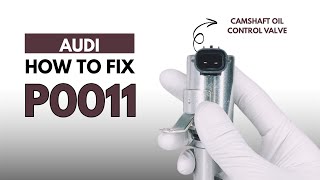
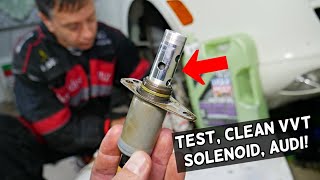
Helpful Videos
Technical Specifications
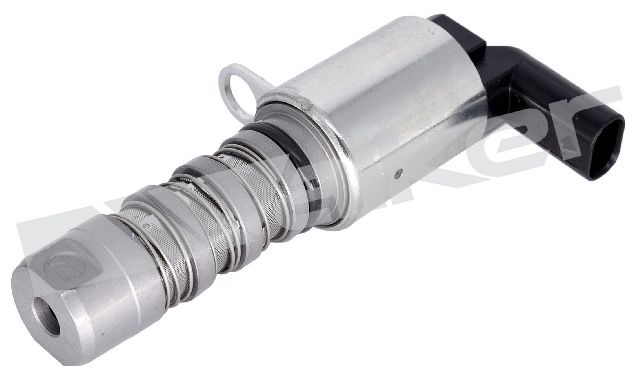
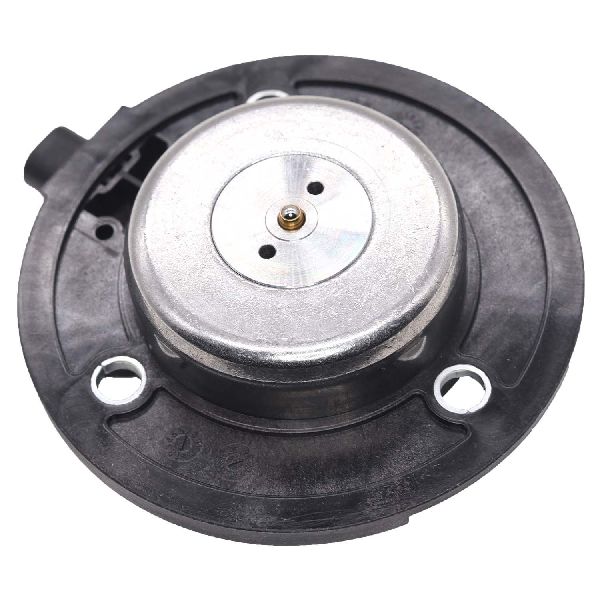
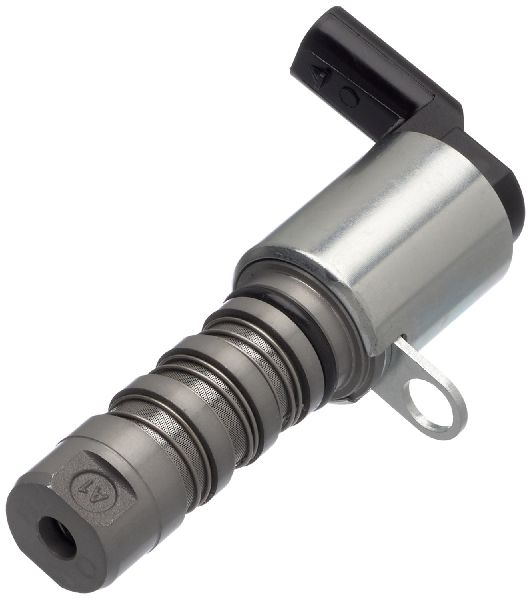
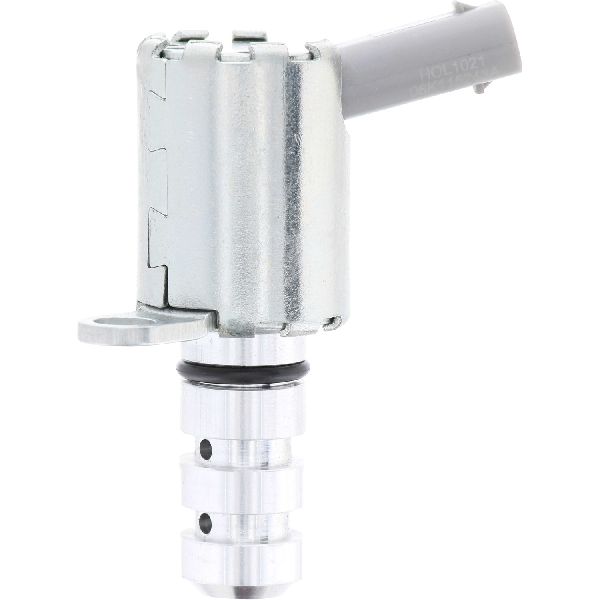
The VVT system in the 2018-2023 Audi A6 Quattro uses solenoids to control oil flow to phasers on both the intake and exhaust camshafts. Always verify the part number and position (intake/exhaust, bank 1/2) before ordering, as they are often not interchangeable.
We Have This Part in Stock


The information in this article is provided for general reference and educational purposes only. Vehicle specifications, procedures, and part compatibility can vary by production date, trim level, and region. Always consult your vehicle's factory service manual and verify part numbers before purchasing or performing repairs. Safety-critical components such as airbags, seat belts, and braking systems should be installed by a qualified professional.
- Audi A6 Quattro: