

BMW M5 Engine Coolant Temperature Sensor Guide (2018-2023)
Is your M5 running rough or getting poor gas mileage? A small sensor could be the problem.
- A bad ECT sensor directly impacts your M5's performance and fuel efficiency.
- Be aware of your model year: 2018-2019 dash gauges show oil temp, while 2020+ show coolant temp.
- Frequent 'low coolant' warnings are more likely due to the known coolant expansion tank issue than the sensor itself.
- Before replacing the sensor, always inspect its electrical connector for corrosion or damage.
Is Your M5's Coolant Temp Sensor Failing?

A faulty Engine Coolant Temperature (ECT) sensor can cause more than just a Check Engine Light. Because this sensor provides vital data for your M5's high-performance engine, a bad reading can lead to noticeable issues. You might experience reduced fuel economy, rough idling, or even black smoke from the exhaust. In some cases, the engine's cooling fans may not turn on when they should, risking overheating, or they might run constantly even when the engine is cool.
A Note on F90 M5 Cooling System Issues
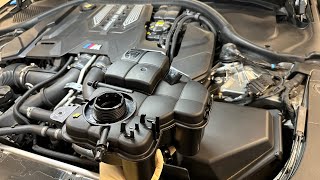
While the ECT sensor can fail, a more widely reported issue on the 2018-2023 M5 is a leaking coolant expansion tank. BMW issued a technical service bulletin (SI B17 03 24) for this problem, where the tank can develop a leak and drip coolant onto sensitive components below. If you are getting low coolant warnings, inspect the expansion tank area carefully for any signs of leaks before assuming the sensor is the problem.
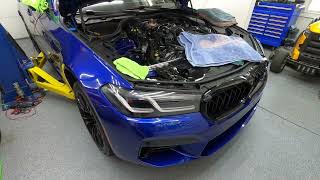
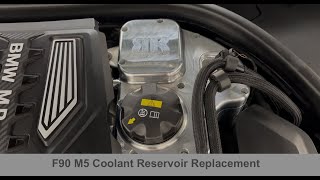
🎬 Watch: Real-time walkthrough of the F90 M5 coolant tank replacement.Symptoms of a Bad ECT Sensor

- Poor Fuel Economy: If the sensor is stuck sending a "cold" signal, the DME will continuously send extra fuel to the engine.
- Check Engine Light: The DME will trigger a fault code if the sensor's readings are out of range or don't make sense.
- Engine Overheating or Running Cool: A false "hot" signal might not trigger the fans correctly, while a false "cold" signal can keep the engine from reaching optimal temperature.
- Black Smoke from Exhaust: This is a sign of an overly rich fuel mixture, caused by the DME thinking the engine is colder than it is.
- Rough Idle: Incorrect fuel and timing adjustments can make the engine run poorly at idle.
- Hard Starting: The engine may be difficult to start, especially when warm, if the fuel mixture is incorrect.
Choosing the Right Aftermarket Sensor

When replacing the ECT sensor on a high-performance vehicle like the M5, quality is important. While an OEM sensor provides a guaranteed fit and performance, quality aftermarket parts can offer significant savings.
- OEM (Original Equipment Manufacturer): This is the same part you would get from a BMW dealership. It guarantees perfect compatibility but comes at the highest cost.
- Premium Aftermarket (e.g., VNE, Walker Products): Brands like VNE and Walker Products specialize in creating parts that meet or exceed OE specifications. They are a reliable choice for owners looking for a balance of quality and value. While long-term reviews on the F90 M5 specifically are limited, these brands are established in the BMW parts world.
- Value Aftermarket (e.g., Global Parts, Holstein): These brands provide a budget-friendly option. They are functional replacements, but for a critical sensor on a complex engine like the S63, sticking with OEM or a premium aftermarket brand is often recommended for peace of mind.
Pro Tip: Check the Connector First
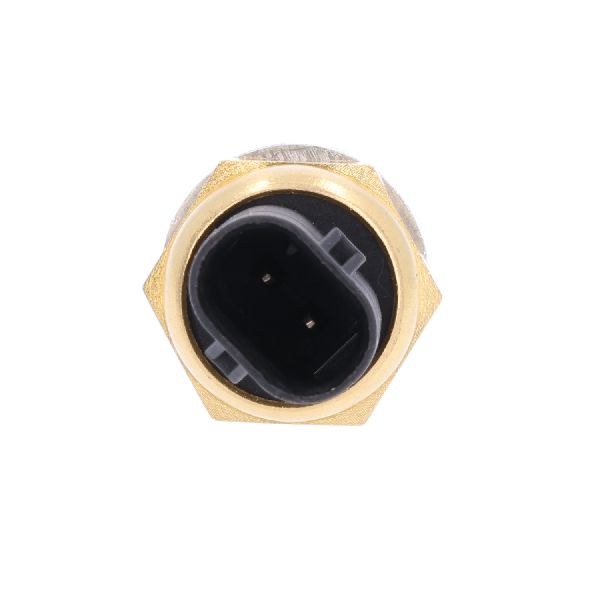
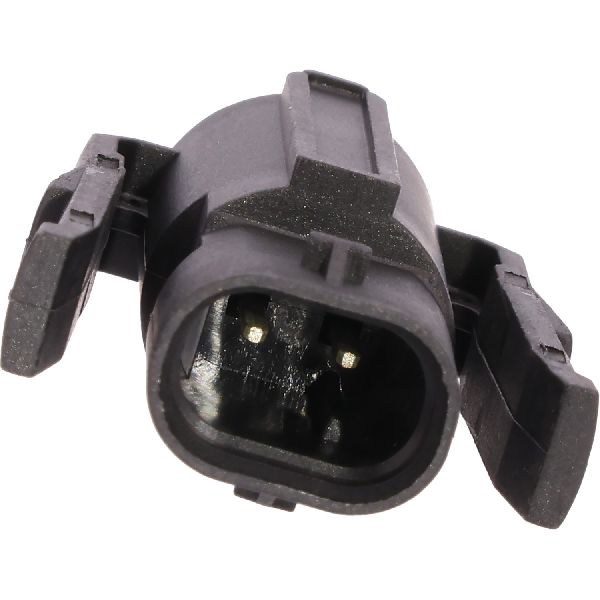
Sometimes, the issue isn't the sensor itself but a dirty or corroded electrical connector. Before you buy a new part, unplug the sensor and inspect the pins on both the sensor and the wiring harness for any corrosion or damage. Cleaning the contacts might solve the problem.
Cost of Replacing the ECT Sensor on a 2018-2023 BMW M5
| Part Type | Part Cost | Shop Labor Cost | Total Estimated Cost |
|---|---|---|---|
| New OEM | $80 - $200 | $75 - $200 | $155 - $400 |
| New Aftermarket | $21 - $162 | $75 - $200 | $96 - $362 |
Frequently Asked Questions

Is a Check Engine Light always a bad sensor?
No. While a bad ECT sensor will trigger a Check Engine Light, many other issues can too. The first step is to have the diagnostic trouble codes read with an OBD2 scanner. Codes like P0115, P0116, or P00B1 point directly toward the coolant temperature sensor circuit.
Why does my dash gauge show temperature, but the sensor is bad?
It depends on your model year. On 2018 and 2019 M5s, the primary dashboard temperature gauge shows *oil temperature*, not coolant temperature. On 2020 and newer models, the gauge shows coolant temperature. A faulty sensor can also send incorrect, but still plausible, readings, causing the gauge to be inaccurate without you realizing it until other symptoms appear.
Why am I getting a "Low Coolant" warning?
This is a common issue for F90 M5 owners. While it could be a minor top-off need, it is frequently linked to a known problem with the coolant expansion tank developing a leak. Check your coolant level when the car is cold and inspect the tank and surrounding area for any white or blue crusty residue, which indicates a coolant leak.
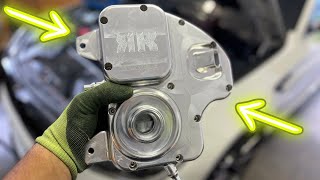
🎬 See how a billet reservoir upgrade prevents future coolant leaks.Can I replace the M5's ECT sensor myself?
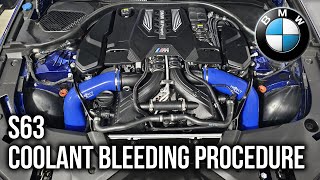
Yes, this is a job a DIYer with some experience can handle. The sensor is typically threaded into the engine block or a coolant hose. The key is to work quickly when the engine is completely cold to minimize coolant loss. You will lose a small amount of coolant, so have some approved BMW coolant and distilled water on hand to top off the system afterward. The system will also need to be bled of any air that gets introduced.
🎬 Follow this step-by-step guide to bleed your BMW cooling system.Helpful Videos



Technical Specifications
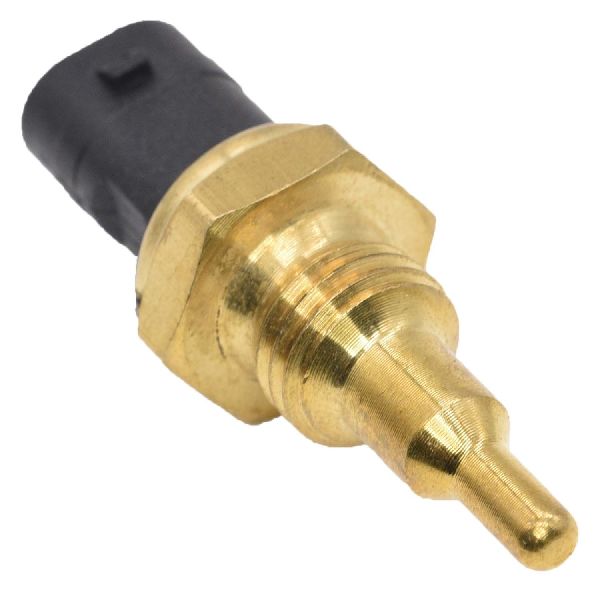
OEM Part Numbers: 13625A115F5 8650714
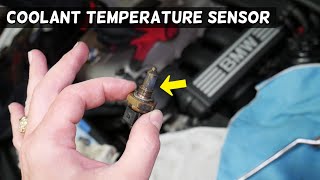
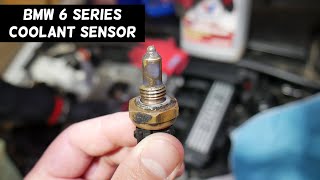
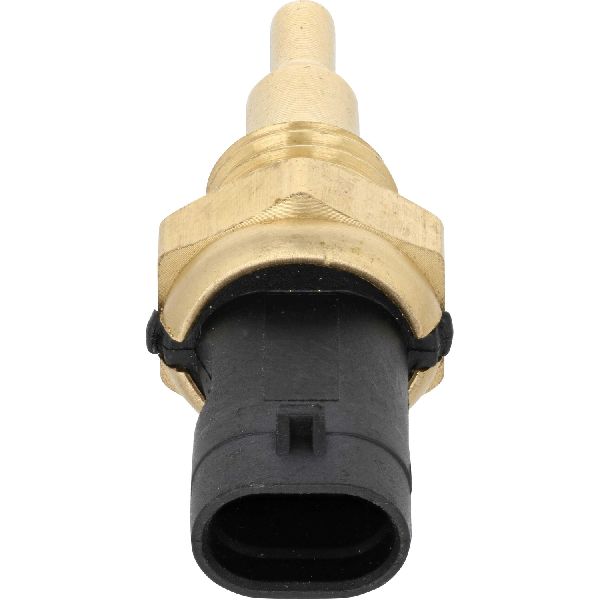
The sensor is a thermistor, meaning its electrical resistance changes with temperature. It typically has a 2-pin connector and a threaded body for installation into a coolant passage.
We Have This Part in Stock


The information in this article is provided for general reference and educational purposes only. Vehicle specifications, procedures, and part compatibility can vary by production date, trim level, and region. Always consult your vehicle's factory service manual and verify part numbers before purchasing or performing repairs. Safety-critical components such as airbags, seat belts, and braking systems should be installed by a qualified professional.
- BMW M5:
- 🎬 Helpful Videos
- 🛍️ Shop This Part
- Is Your M5's Coolant Temp Sensor Failing?
- A Note on F90 M5 Cooling System Issues
- Symptoms of a Bad ECT Sensor
- Choosing the Right Aftermarket Sensor
- Pro Tip: Check the Connector First
- Cost of Replacing the ECT Sensor on a 2018-2023 BMW M5
- Frequently Asked Questions
- 🎟️ Get 5% Off