

Ford Mustang Engine Coolant Temperature Sensor Guide (2018-2023)
Is your Mustang's temperature gauge acting up or is it running rough? It could be a bad engine coolant temperature sensor.
- A failing ECT sensor on a 2018-2023 Mustang can cause a Check Engine Light (P0117, P0118), poor fuel economy, black smoke, and overheating.
- Symptoms often include an erratic temperature gauge that may fluctuate or give false readings.
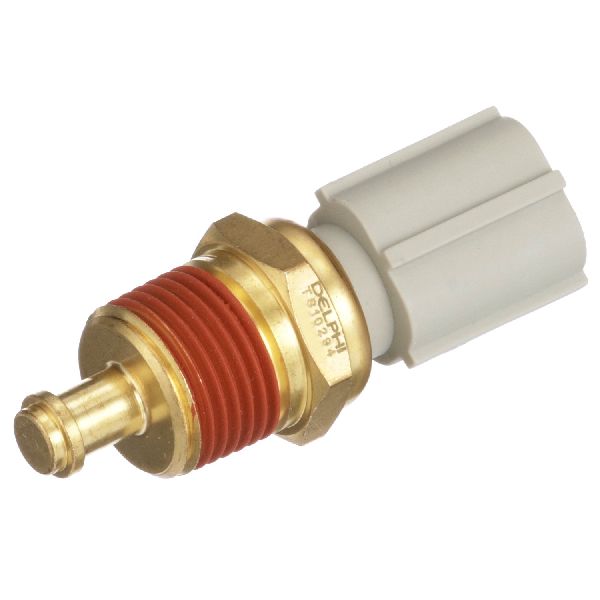
- High-quality aftermarket brands like Delphi and Standard Motor Products offer a reliable alternative to the OEM Motorcraft part at a good value.
- While replacing the sensor is a simple DIY job for many, also consider replacing the thermostat, as its failure can cause similar symptoms.
Symptoms of a Failing ECT Sensor in a 2018-2023 Mustang

A bad Engine Coolant Temperature (ECT) sensor can cause a range of problems, from annoying to serious. Because this sensor provides key data to the engine's computer, a bad signal can make the computer think the engine is hot when it's cold, or cold when it's hot. Here’s what to look for:
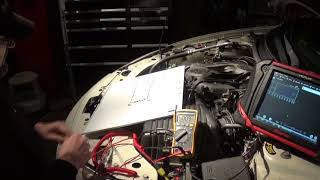
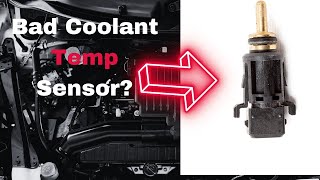
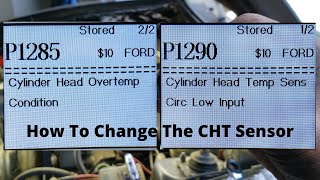
- Check Engine Light: This is often the first sign. The ECU will detect a signal from the sensor that is outside the normal range and trigger a warning light. Common trouble codes include P0117 (Circuit Low Input, meaning the engine is reading too hot) and P0118 (Circuit High Input, meaning the engine is reading too cold). 🎬 Watch: A deep dive into diagnosing P0117 and P0118 codes.
- Erratic Temperature Gauge: The temperature gauge on your dashboard might swing wildly from hot to cold, or it may not move at all. Some owners report seeing the temperature drop dramatically just by revving the engine, which can point to a faulty sensor or thermostat.
- Poor Fuel Economy: If the sensor incorrectly tells the ECU that the engine is always cold, the computer will continuously inject extra fuel. This leads to burning more gas than necessary.
- Black Smoke from Exhaust: A very rich fuel mixture, caused by a faulty sensor telling the computer the engine is cold, can result in unburned fuel exiting through the exhaust as black smoke.
- Engine Overheating: If the sensor fails to report that the engine is getting hot, the cooling fans may not turn on when they're needed, leading to overheating. This is a serious condition that can cause major engine damage.
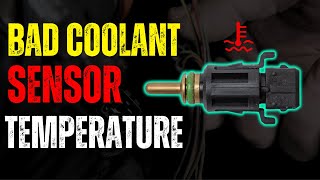
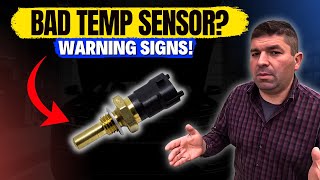
- Rough Idle and Poor Performance: Your Mustang might idle roughly, hesitate, or even stall because the air-fuel mixture and ignition timing are incorrect for the actual engine temperature. 🎬 See these common symptoms of a faulty sensor in action.
Choosing the Right Aftermarket Sensor

For the 2018-2023 Mustang, the original equipment (OEM) sensor is made by Motorcraft. While OEM is always a safe bet, high-quality aftermarket brands can offer similar performance for a lower price. Aftermarket sensors for this Mustang are generally considered reliable.
| Brand Tier | Brands | Our Price Range | Notes |
|---|---|---|---|
| Premium Aftermarket | Delphi, Motorcraft (OEM), Standard Ignition (SMP) | $20 - $40.30 | These brands are often original equipment suppliers themselves and are known for high-quality materials and rigorous testing. Delphi and Standard Motor Products are well-regarded choices that meet or exceed OE specifications. |
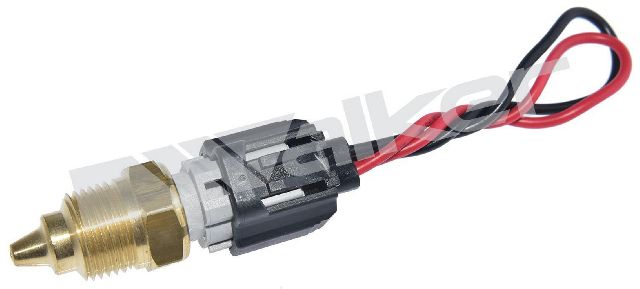
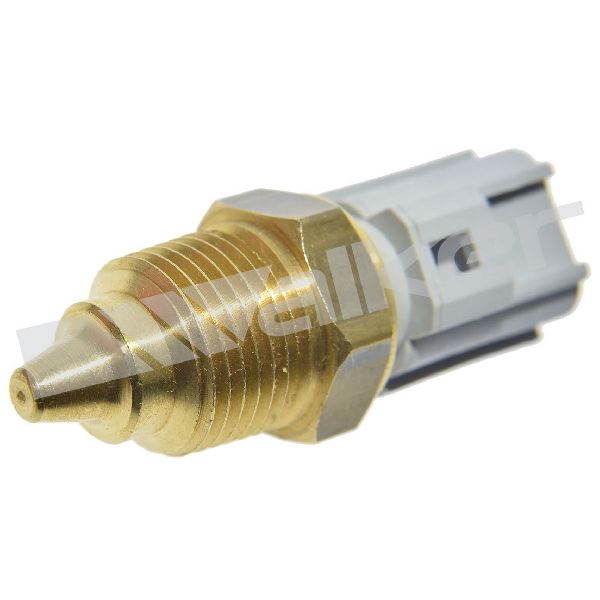
| Standard Aftermarket | Four Seasons, Walker Products, Holstein | $15 - $25 | These brands offer a good balance of quality and value. They are a dependable option for daily drivers. Forum discussions show users having success with brands like Four Seasons for various components. |
| Economy | Global Parts | $10.99 - $20 | These are the most budget-friendly options. While they will get the job done, their long-term durability may not match that of the premium brands. Best for a quick, low-cost fix. |
Pro Tip: Check the Connector
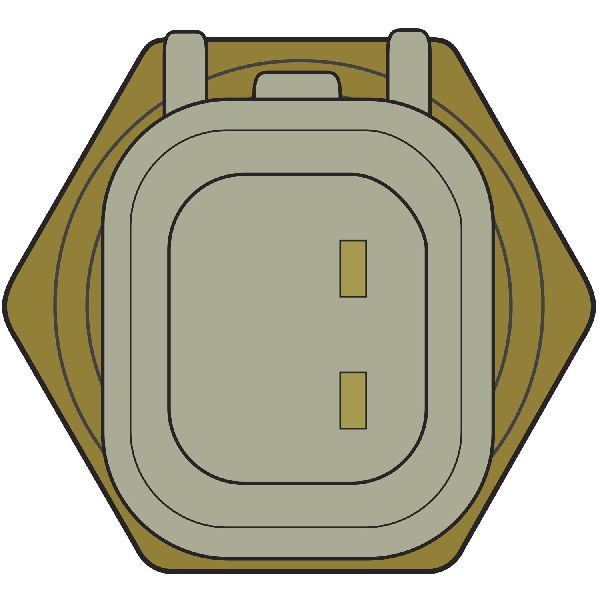
Before ordering, it's a good idea to look at your existing sensor's electrical connector. While it should be the same for all 2018-2023 models, checking ensures you get a perfect match and avoids a return trip. Also, inspect the wiring harness for any corrosion or damage, as this can cause the same symptoms as a bad sensor.
Frequently Asked Questions

Where is the ECT sensor located on a 2018-2023 Mustang?
On the 5.0L V8 engine, the sensor is typically a cylinder head temperature (CHT) sensor that functions similarly. It is located on the cylinder head. On the 2.3L EcoBoost, it is usually found on the coolant outlet housing. The exact location can vary slightly, so consulting a repair manual for your specific engine is recommended.
Are there any recalls for the Mustang ECT sensor?
As of now, there are no specific recalls on the Engine Coolant Temperature sensor for the 2018-2023 Ford Mustang. However, there are Technical Service Bulletins (TSBs) for related issues on other model years, such as TSB 15-0073 for a coolant leak on 2015 models, which can affect sensor readings. Always check for the latest TSBs if you experience issues.
Can a bad ECT sensor cause my car to fail an emissions test?
Yes. A faulty sensor can cause the engine to run rich, which increases hydrocarbon emissions and can lead to a failed emissions test.
Should I replace the thermostat at the same time as the ECT sensor?
While not always necessary, it's often a good idea. A thermostat that is stuck open or closed can cause symptoms similar to a bad ECT sensor, such as an erratic temperature gauge or overheating. Since you will be working in the same area of the cooling system, replacing both at the same time can save you time and labor in the future.
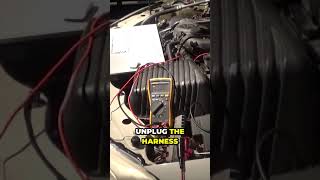
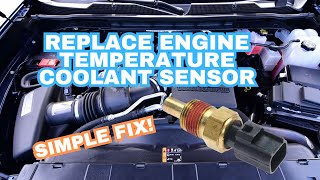
🎬 Watch: A simple walkthrough on how to replace the sensor.Helpful Videos
Technical Specifications
OEM Part Numbers: DY-1144 3F1Z-12A648-A
The sensor for the 2018-2023 Ford Mustang is technically a Cylinder Head Temperature (CHT) sensor that performs the same function. It is a 2-pin, threaded sensor that relays temperature data to the PCM.
We Have This Part in Stock


The information in this article is provided for general reference and educational purposes only. Vehicle specifications, procedures, and part compatibility can vary by production date, trim level, and region. Always consult your vehicle's factory service manual and verify part numbers before purchasing or performing repairs. Safety-critical components such as airbags, seat belts, and braking systems should be installed by a qualified professional.
- Ford Mustang: